


Measurement While Drilling (MWD) — A Complete System Overview
Article Title
Measurement While Drilling (MWD) — A Complete System Overview
Product/System Overview
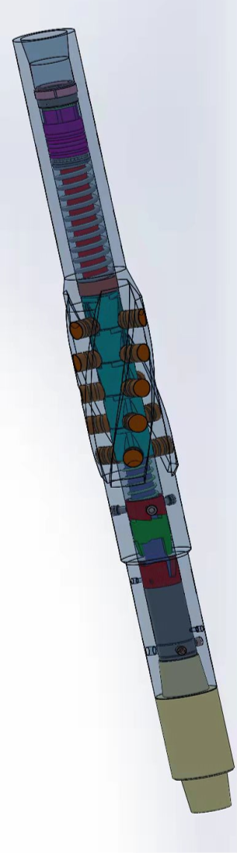
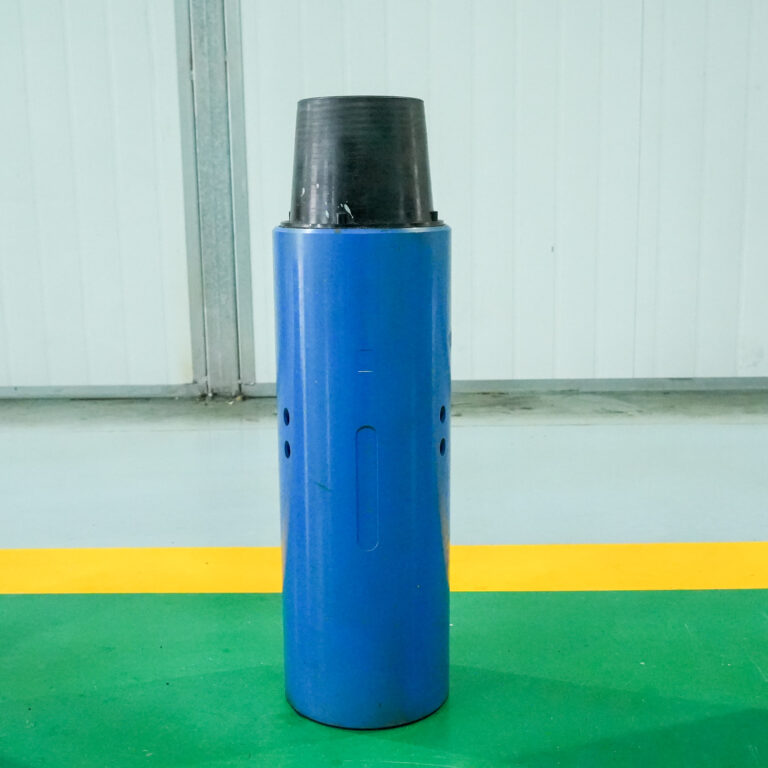
Measurement While Drilling (MWD) is a core technology in modern oil and gas drilling that enables real-time acquisition and transmission of downhole data without the need to pull the drill string out of the well. By providing immediate insights into drilling parameters and formation characteristics, MWD helps operators make faster, more accurate decisions, improve well placement, and optimize drilling efficiency.
Key Components & Functions
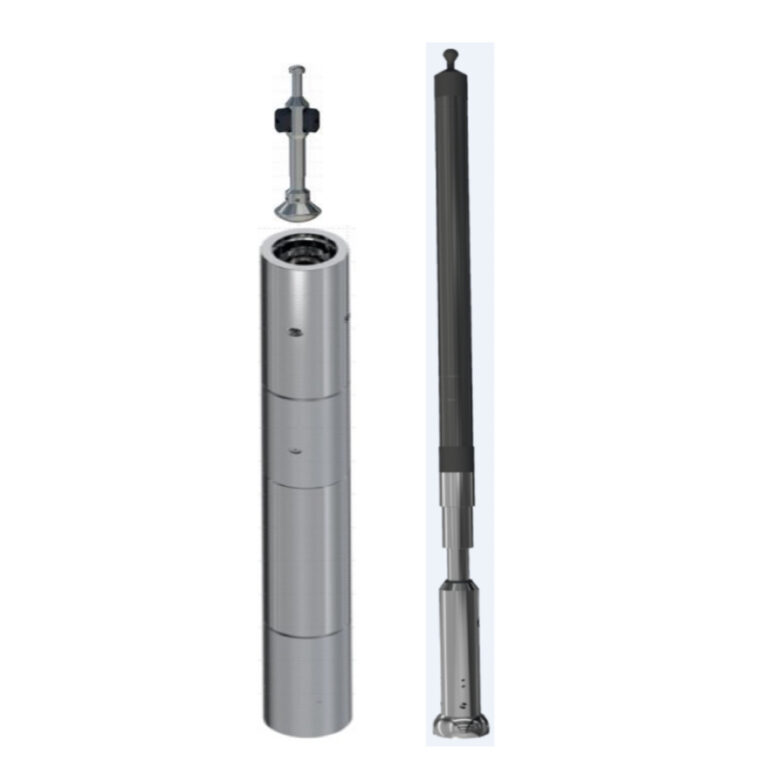
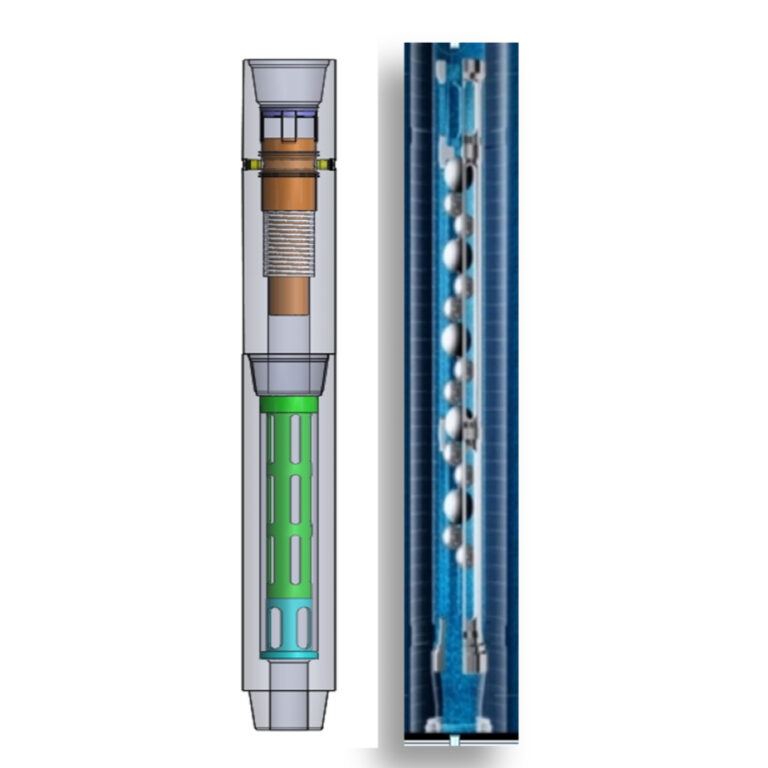
A complete MWD system integrates several sub-systems:
- Downhole Sensor Module
- Measures inclination, azimuth, toolface, gamma ray, resistivity, and vibration
- Housed in non-magnetic drill collars to avoid interference
- Telemetry System
- Most common: Mud Pulse Telemetry
- Converts downhole measurements into pressure pulses in the drilling mud, transmitting data to surface sensors
- Downhole Power Supply
- Mud turbine generators or high-temperature batteries provide reliable energy for sensors and electronics
- Surface Receiver & Decoder
- Captures mud pulse signals and decodes them into readable drilling data
- Control & Analysis Software
- Visualizes real-time downhole data, enabling operational adjustments and well trajectory optimization
Applications & Benefits
MWD enables:
- Real-time decision-making to avoid drilling risks
- Accurate directional drilling in complex well geometries
- Reduced non-productive time (NPT) through continuous monitoring
- Improved operational safety and efficiency