


Shock & Vibration: Hidden Killers of MWD Tools in Drilling Operations
In modern drilling operations, MWD tools are essential for real-time measurement and directional control. However, these tools operate in extremely harsh environments where shock and vibration can significantly affect performance and reliability.
If not properly controlled, these dynamic forces can lead to sensor failure, electronic damage, and inaccurate measurement data.
Understanding the causes of drilling vibration and implementing effective mitigation strategies is critical for protecting downhole equipment.
Types of Downhole Vibration
Several types of vibration commonly occur during drilling operations.
Torsional Vibration (Stick-Slip)
Stick-slip occurs when the drill bit alternates between sticking to the formation and suddenly releasing.
This causes large fluctuations in rotational speed and torque.
Consequences may include:
• Severe tool stress
• Bit damage
• Reduced drilling efficiency
• Telemetry signal instability
Axial Vibration (Bit Bounce)
Bit bounce happens when the drill bit repeatedly loses contact with the formation and impacts it again.
This axial movement generates strong impacts along the drill string and can damage sensitive components inside MWD tools.
Lateral Vibration (Whirl)
Lateral vibration occurs when the drill string moves sideways inside the wellbore.
This movement causes uneven wear and can significantly reduce tool life.
Impact on MWD Systems
MWD tools contain precision sensors and electronic modules designed to measure drilling parameters accurately.
Excessive vibration can result in:
• Sensor calibration drift
• Electrical connection failure
• Pulse generator instability
• Reduced measurement accuracy
In severe cases, vibration may cause complete tool failure.
Strategies to Reduce Shock and Vibration
Drilling engineers typically rely on several engineering solutions to minimize these risks.
Stabilizers
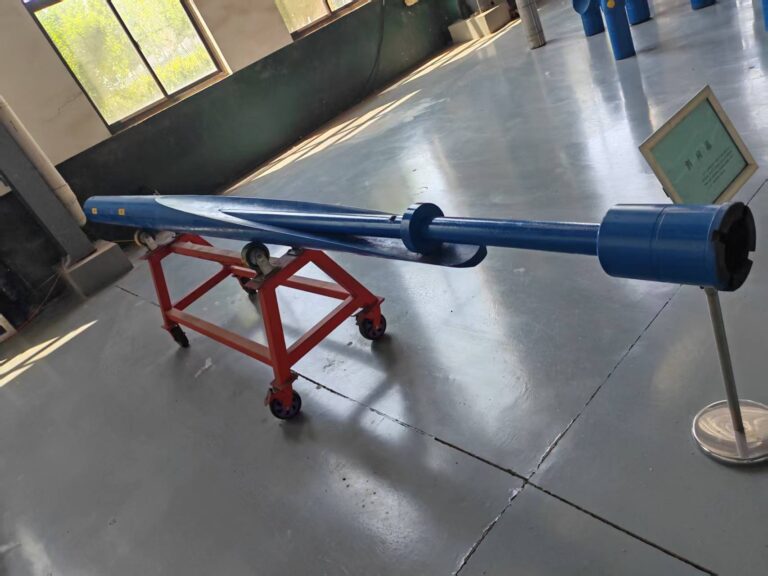
Drilling stabilizers, especially adjustable stabilizers, help maintain proper BHA alignment.
This reduces lateral movement and helps control vibration within the drill string.
Shock Absorbers
Shock absorbers or drill string dampeners are designed to absorb impact loads and reduce vibration transmission along the drill string.
They provide an additional layer of protection for sensitive downhole equipment.
Optimized BHA Design
Proper Bottom Hole Assembly (BHA) design plays a key role in vibration control.
Engineers carefully position components such as:
• Stabilizers
• Mud motors
• Measurement tools
to maintain drilling stability.
Real-Time Monitoring
Modern drilling systems can also monitor vibration levels in real time, allowing engineers to adjust drilling parameters and reduce damaging conditions.
Importance for Modern Drilling
As drilling operations move toward deeper wells, horizontal wells, and extended-reach drilling, controlling vibration becomes increasingly important.
Effective vibration mitigation helps achieve:
✔ Improved drilling efficiency
✔ Higher measurement accuracy
✔ Reduced non-productive time
✔ Longer tool lifespan
Conclusion
Shock and vibration are among the most significant threats to downhole tool reliability.
By combining stabilization tools, shock absorption systems, and optimized BHA design, drilling operations can significantly reduce the impact of these forces.
Protecting MWD tools from vibration not only improves measurement accuracy but also ensures safer and more efficient drilling operations.