


Filter Sub vs Drill Pipe Filter: How to Select the Right Downhole Filtration Tool for MWD Protection
Introduction
In modern drilling operations, downhole filtration is not optional—it is essential. Sensitive tools such as MWD and LWD systems rely heavily on clean drilling fluid to function properly.
Choosing the correct filtration tool—Filter Sub or Drill Pipe Filter—directly impacts:
- Tool reliability
- Data accuracy
- Operational efficiency
- Non-productive time (NPT)
This article provides a practical selection guide based on real drilling conditions.
1. What Is a Filter Sub?
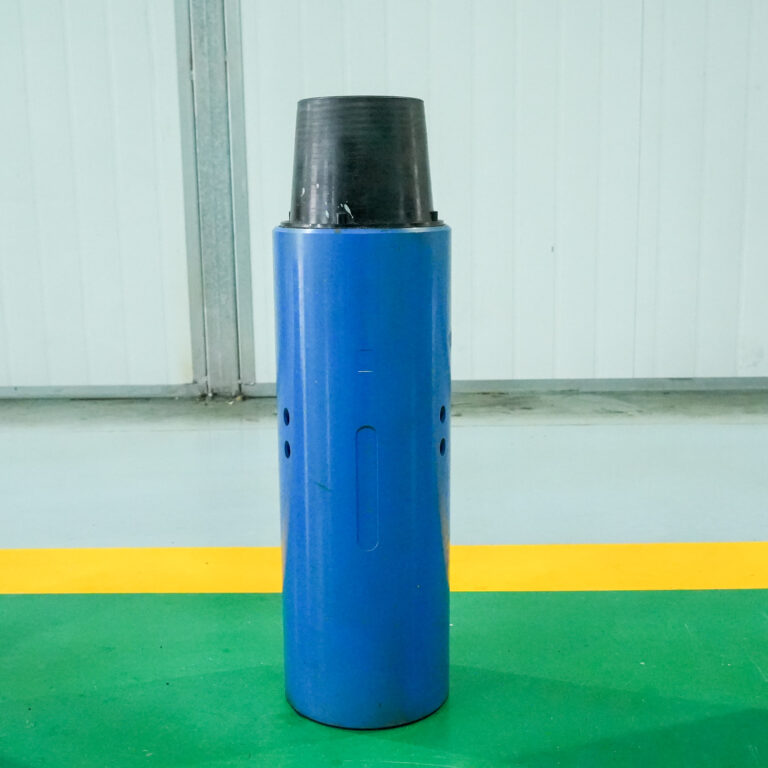
A Filter Sub is installed directly in the Bottom Hole Assembly (BHA), typically close to sensitive tools such as MWD.
Key Features
- High-strength housing integrated into BHA
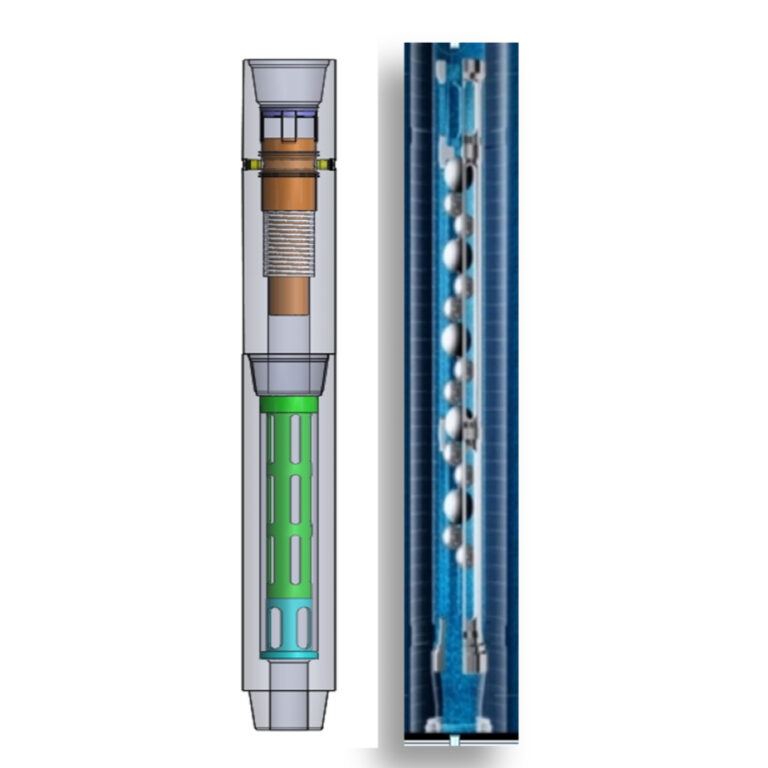
- Replaceable or permanent filter element
- Designed for high-pressure, high-temperature environments
- Precise filtration (commonly 60–400 microns)
Advantages
- Provides localized protection for critical tools
- High structural integrity
- Stable filtration performance under extreme conditions
Limitations
- Limited flow area compared to pipe-based solutions
- Requires pulling out of hole (POOH) for maintenance
2. What Is a Drill Pipe Filter?
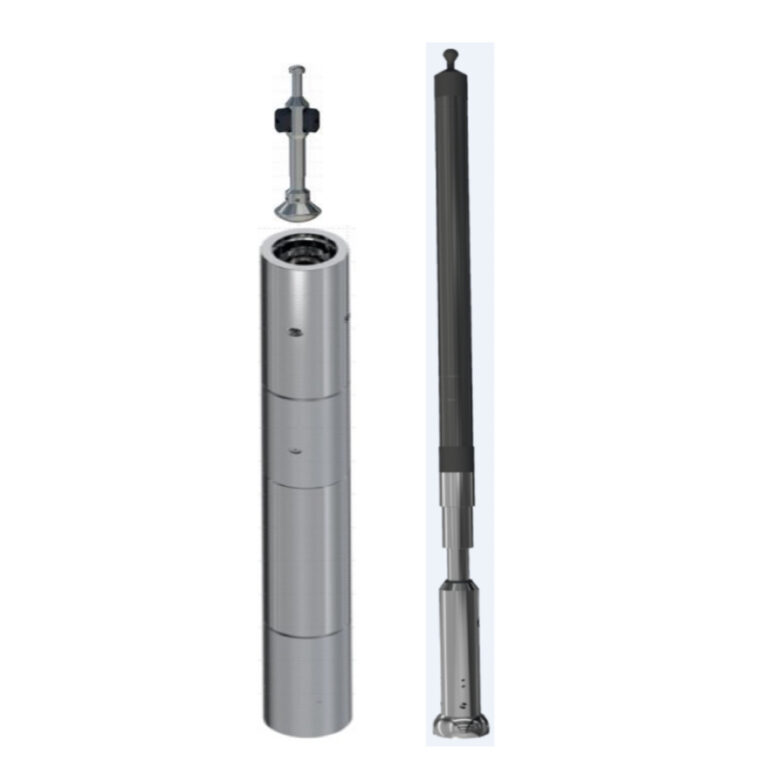
A Drill Pipe Filter is installed inside the drill string, usually above the BHA, and can be retrieved using wireline.
Key Features
- Installed inside drill pipe
- Retrievable without tripping
- Large filtration area
- Suitable for continuous circulation systems
Advantages
- Easy maintenance without POOH
- Larger debris capacity
- Ideal for long drilling intervals
Limitations
- Less precise filtration compared to Filter Sub
- Positioned farther from sensitive tools
3. Key Differences: Filter Sub vs Drill Pipe Filter
| Aspect | Filter Sub | Drill Pipe Filter |
|---|---|---|
| Installation | BHA (near tools) | Inside drill pipe |
| Filtration Precision | High | Medium |
| Maintenance | Requires POOH | Wireline retrievable |
| Protection Level | Direct (critical tools) | System-level |
| Flow Capacity | Moderate | High |
4. Application-Based Selection Guide
Choose Filter Sub When:
- Running MWD/LWD tools with high sensitivity
- Operating in high-value wells (HPHT, offshore)
- Fine solids control is required
- Tool failure risk must be minimized
👉 Typical solution:
Filter Sub + Float Valve combination for maximum protection
Choose Drill Pipe Filter When:
- Drilling long intervals
- Frequent debris accumulation is expected
- Operational efficiency (no tripping) is critical
- Used as primary filtration in early drilling stages
Best Practice (Recommended)
For optimal results, many operators adopt a dual-filtration strategy:
- Drill Pipe Filter → First-stage filtration
- Filter Sub → Final protection before MWD
This layered approach significantly reduces failure risk.
5. Engineering Considerations
When selecting filtration tools, engineers should evaluate:
- Flow rate & pressure drop
- Mud type (OBM/WBM)
- Solid particle size distribution
- Tool sensitivity (MWD/LWD specs)
- Well depth and temperature
Ignoring these factors can lead to:
- Plugging
- Signal loss
- Premature tool failure
6. Field Insight
In multiple field cases, improper filtration selection has resulted in:
- MWD signal instability
- Valve blockage
- Increased NPT
A properly designed filtration system can increase tool lifespan by 30–50%.
Conclusion
There is no one-size-fits-all solution.
- Filter Sub = Precision protection
- Drill Pipe Filter = Operational flexibility
The best results come from combining both, tailored to specific well conditions.