


Adjustable Stabilizer vs Integral Blade Stabilizer: How to Select for Optimal BHA Performance
Introduction
In Bottom Hole Assembly (BHA) design, stabilizers are critical for controlling well trajectory, reducing vibration, and protecting downhole tools.
Choosing the wrong stabilizer can result in:
- Poor hole quality
- Increased vibration
- Reduced tool life
- Directional control issues
This article compares Adjustable Stabilizers and Integral Blade Stabilizers to help you make the right selection.
1. What Is a Stabilizer?
A stabilizer is a downhole tool used to centralize the drill string and control its movement within the wellbore.
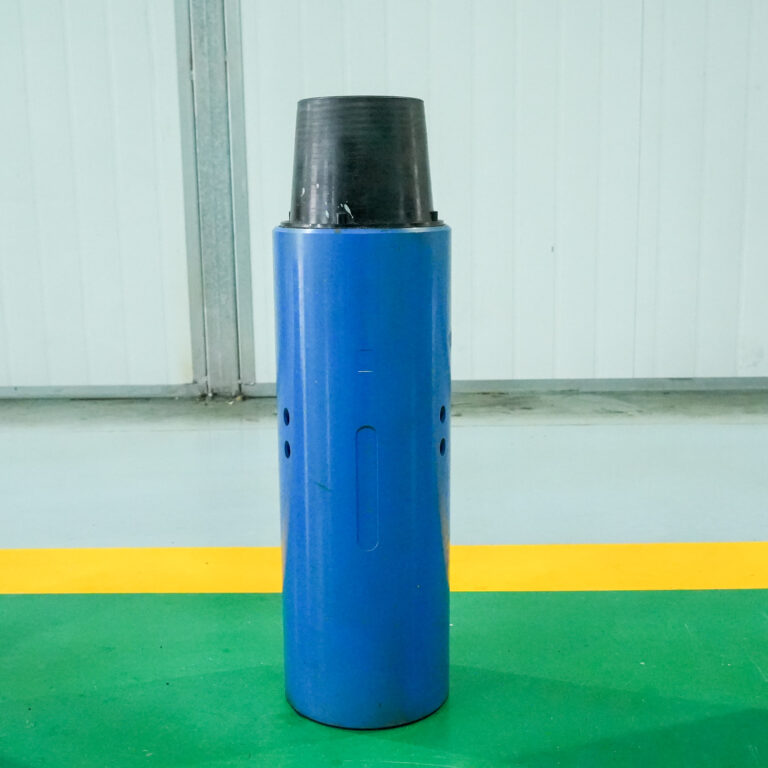
2. Integral Blade Stabilizer
Structure
- One-piece body
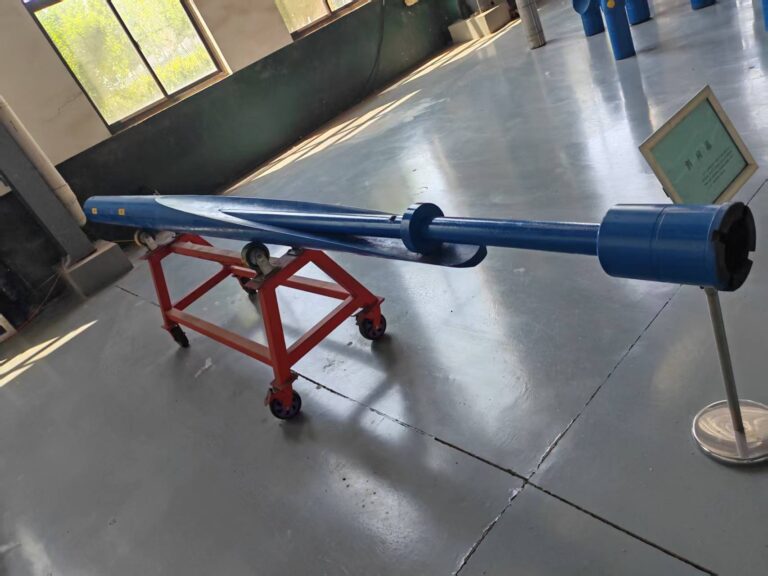
- Fixed blades (straight or spiral)
- Hardfacing for wear resistance
Advantages
✔ High strength and durability
✔ Excellent wear resistance
✔ Simple structure (low failure rate)
✔ Ideal for harsh drilling environments
Limitations
- Fixed gauge (not adjustable)
- Requires replacement when worn
- Less flexible for changing well conditions
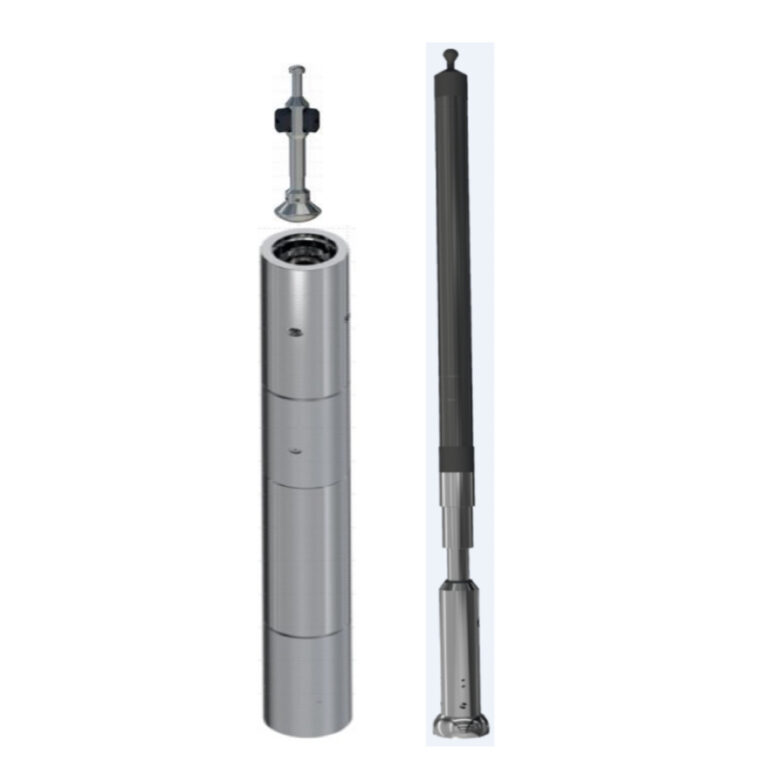
3. Adjustable Stabilizer
Structure
- Replaceable sleeves or blades
- Adjustable outer diameter (gauge)
Advantages
✔ Flexible gauge adjustment
✔ Cost-effective over multiple runs
✔ Adaptable to different formations
Limitations
- More complex structure
- Slightly lower strength compared to integral type
- Requires proper maintenance
4. Key Differences
| Aspect | Integral Blade Stabilizer | Adjustable Stabilizer |
|---|---|---|
| Structure | One-piece | Modular |
| Strength | Very high | High |
| Flexibility | Low | High |
| Maintenance | Low | Medium |
| Cost (long-term) | Medium | Lower (reusable) |
| Application | Harsh / stable conditions | Variable conditions |
5. Application-Based Selection Guide
Choose Integral Stabilizer When:
- Drilling in hard and abrasive formations
- High WOB (Weight on Bit) conditions
- Long drilling intervals without tripping
- Maximum durability is required
👉 Best for:
Vertical wells, simple directional wells, harsh environments
Choose Adjustable Stabilizer When:
- Frequent gauge changes are required
- Formation conditions vary
- Cost control is important
- Precision well trajectory control is needed
👉 Best for:
Directional wells, horizontal wells, complex formations
6. Blade Design Considerations
Regardless of type, blade design matters:
Straight Blade
- More stabilization
- Less rotation flexibility
Spiral Blade
- Reduced torque and drag
- Better cuttings removal
- Smoother drilling
👉 Spiral blades are widely preferred in modern drilling
7. Best Practice: Stabilizer Placement in BHA
Optimal placement includes:
- Near the bit (near-bit stabilizer)
- Above MWD tools
- Along the drill string in long intervals
👉 Proper placement improves:
- Wellbore quality
- Directional control
- Tool protection
8. Combined Optimization Strategy
For best results, stabilizers should work with:
- Friction & Torsion Reducing Tools (RTRJ) → Reduce torque
- Filter Sub → Protect MWD from debris
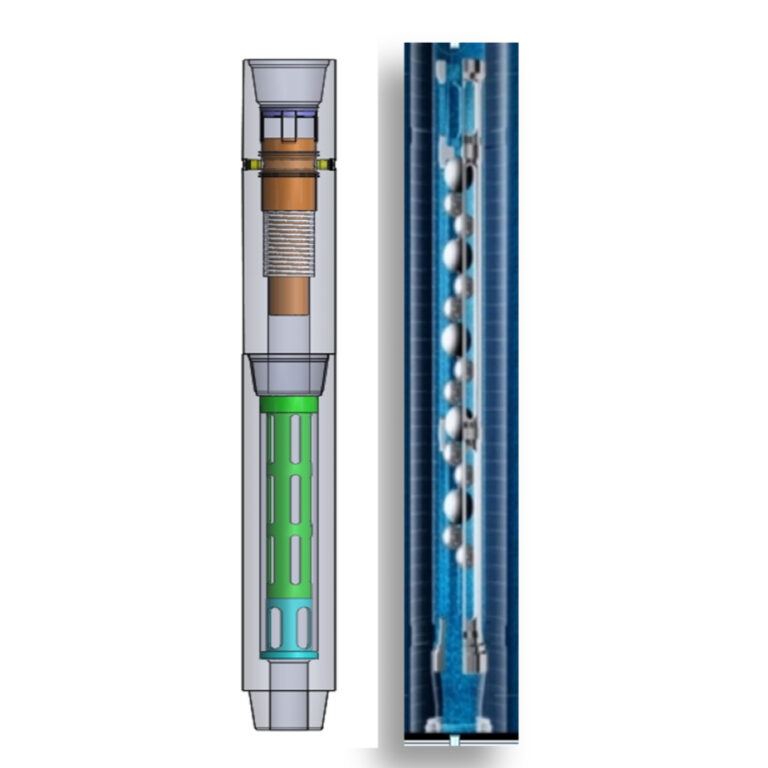
- Float Valve → Maintain pressure stability
👉 This creates a fully optimized BHA system
9. Field Insight
Improper stabilizer selection can lead to:
- Stick-slip vibration
- Poor hole cleaning
- Increased wear on tools
Operators using optimized stabilizer configurations have achieved:
- Better trajectory control
- Reduced vibration
- Longer tool life
Conclusion
There is no universal stabilizer—only the right one for your drilling scenario.
- Integral Stabilizer → Strength & durability
- Adjustable Stabilizer → Flexibility & cost efficiency
Smart selection leads to:
✔ Better drilling performance
✔ Reduced operational risk
✔ Optimized BHA design