


Common Causes of MWD Signal Loss and How System Design Prevents Them
Introduction
In drilling operations, data is decision-making power.
When MWD signal is lost or unstable, the consequences can be serious:
- Drilling delays
- Incorrect well trajectory
- Increased operational costs
However, signal loss is rarely random—it is usually the result of system design issues.
1. How MWD Signal Transmission Works
MWD systems use mud pulse telemetry to transmit data.
Process:
- Downhole sensors collect data
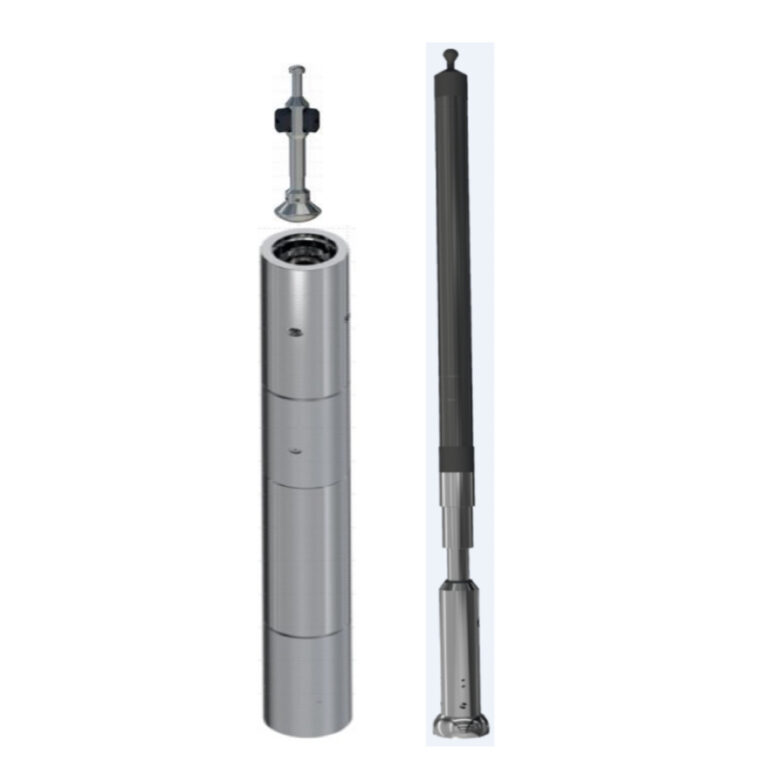
- Pulse generator converts data into pressure pulses
- Pulses travel through drilling fluid
- Surface system decodes the signal
👉 Any disruption in this chain can cause signal loss
2. Common Causes of MWD Signal Loss
① Poor Filtration (Most Common Cause)
Problem:
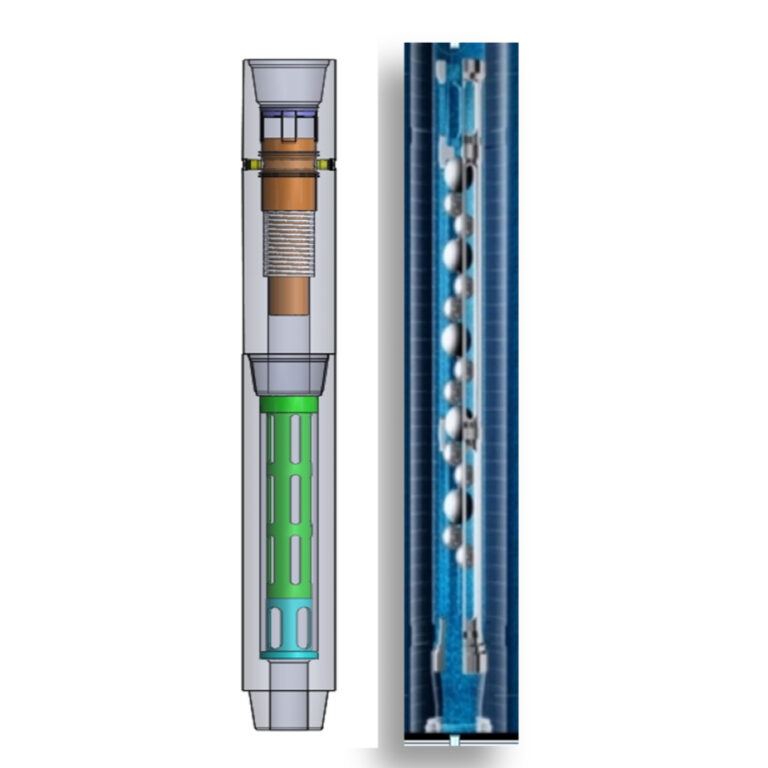
- Solids and debris enter the system
- Block pulser or restrict flow
Impact:
- Weak or distorted signal
- Complete signal loss in severe cases
② Incompatible Pulser Selection
Problem:
- Pulser not matched to flow rate or well depth
Impact:
- Weak pulse amplitude
- Poor transmission efficiency
👉 Example:
Using a low-power pulser in deep wells
③ Mud Properties
Problem:
- High density or high viscosity mud
- Gas-cut mud
Impact:
- Signal attenuation
- Reduced pulse clarity
④ Excessive Vibration (Stick-Slip)
Problem:
- Unstable BHA rotation
Impact:
- Signal noise
- Measurement interference
⑤ Tool Failure or Calibration Issues
Problem:
- Sensor drift
- Electronic instability
Impact:
- Incorrect or lost data
⑥ Pressure Fluctuations
Problem:
- Unstable circulation
- Pump variations
Impact:
- Signal distortion
3. System-Level Prevention Strategy
Instead of fixing problems after they occur, designing the system correctly from the start is key.
✔ Filtration System Optimization
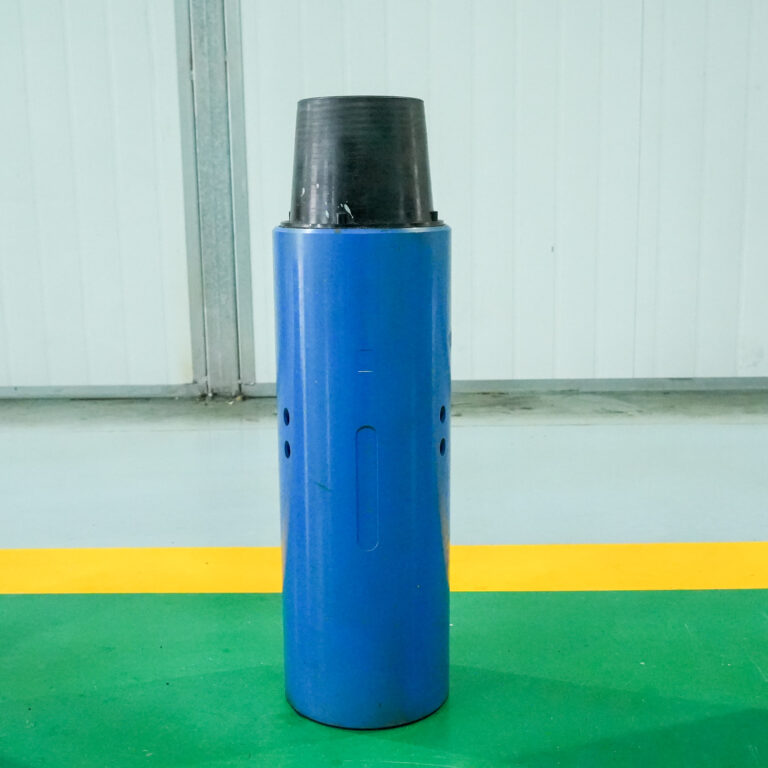
- Use Drill Pipe Filter (primary filtration)
- Use Filter Sub near MWD (final protection)
👉 Prevents debris-related failures
✔ Proper Pulser Selection
- Match pulser to:
- Flow rate
- Well depth
- Mud type
👉 Ensures strong and stable signal
✔ Mud Engineering
- Control density and viscosity
- Avoid gas contamination
👉 Improves signal transmission quality
✔ Vibration Control
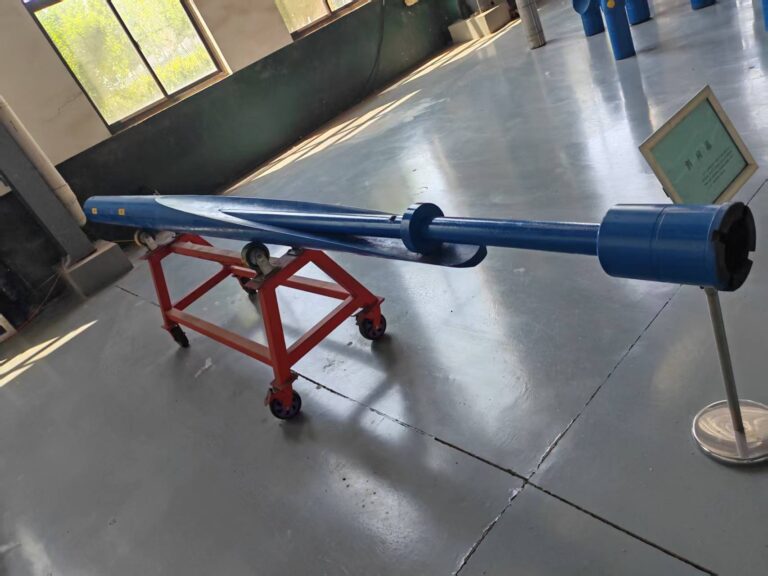
- Use Stabilizers
- Use Friction Reduction Tools (RTRJ)
👉 Reduces signal noise
✔ Calibration & Testing
- Pre-run calibration (Day 17)
- High-temperature testing (Day 18)
👉 Ensures tool reliability
4. Real-World Example
Case:
- Deep well with unstable signal
Root causes:
- No filtration
- Incorrect pulser selection
Solution:
- Added dual filtration system
- Upgraded pulser
👉 Result:
- Stable signal restored
- Improved drilling efficiency
5. Key Takeaways
Most MWD signal problems are not caused by a single issue—they are system failures.
Conclusion
Reliable MWD signal is not just about the tool—it is about the entire system design.
To prevent signal loss:
✔ Optimize filtration
✔ Select the right pulser
✔ Control mud properties
✔ Reduce vibration
✔ Ensure proper calibration
👉 Strong system = strong signal