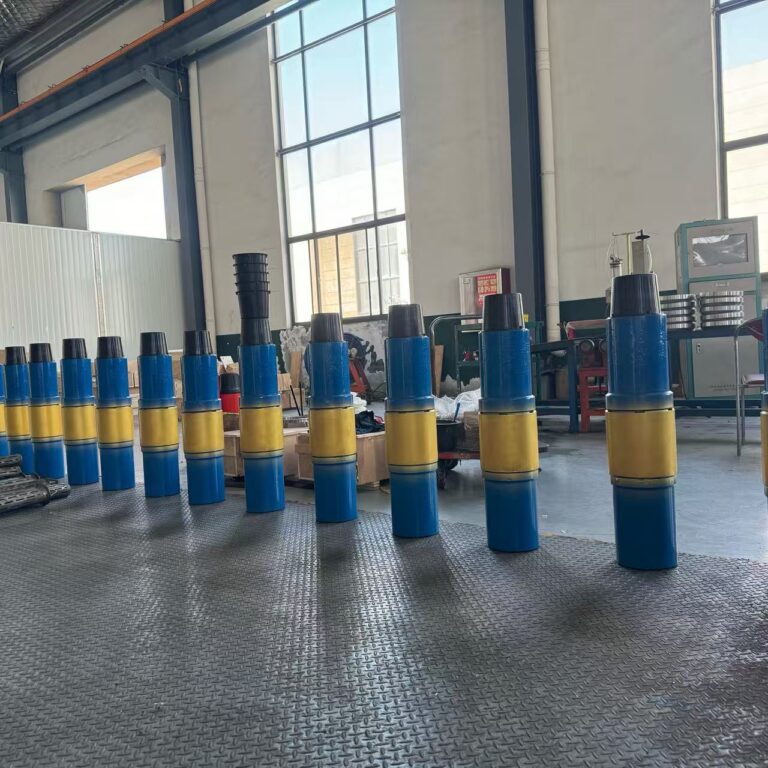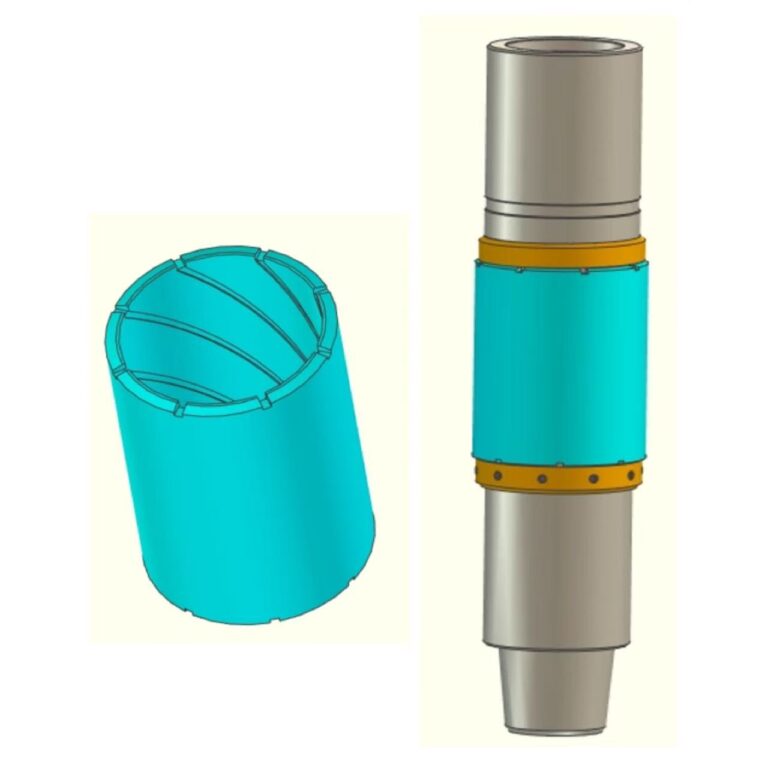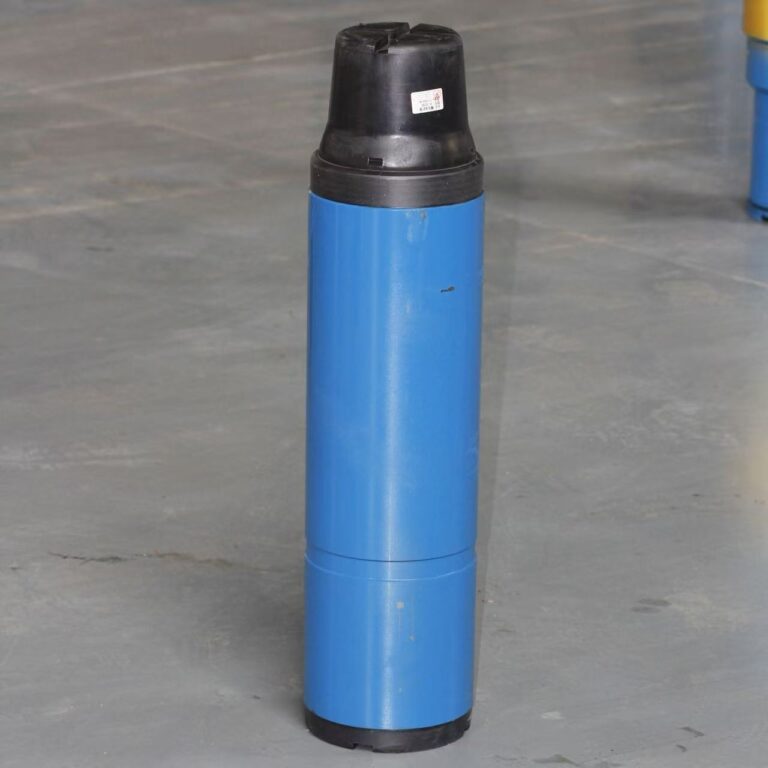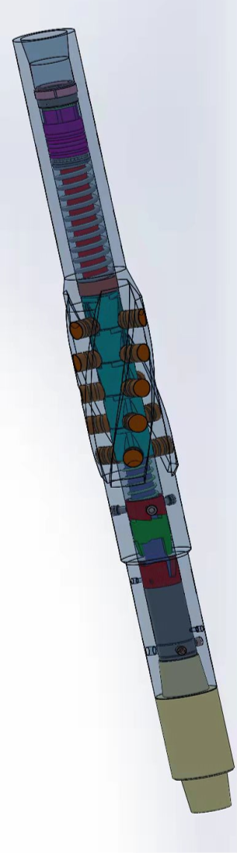



How While-Drilling Adjustable Stabilizers Enhance Wellbore Quality
In the modern drilling era of 2026, the industry has realized that a high Rate of Penetration (ROP) is meaningless if it results in a poor-quality wellbore. A “dirty” hole—characterized by excessive tortuosity, micro-doglegs, and inconsistent gauge—creates a cascade of expensive problems during the completion phase. While-Drilling Adjustable Stabilizers (WDAS) have emerged as the primary tool for balancing speed with the precision required for long-term wellbore integrity.
1. Mitigating Micro-Doglegs and Tortuosity
Traditional steerable systems often produce “micro-doglegs”—sharp, local changes in wellbore direction that are too small to be seen on standard 30-foot surveys but large enough to impede equipment. While-drilling adjustable stabilizers allow the BHA to maintain a more consistent contact force against the formation. By adjusting the blade extension in real-time, the driller can smooth out the “ripples” in the borehole wall. This reduction in tortuosity ensures a “straighter” path through the subsurface, even in complex directional trajectories.
2. Dynamic Centralization for Superior Hole Cleaning
A well-stabilized drill string is essential for effective cuttings transport. When a drill string is decentralized or buckles under load, “dead zones” are created in the annulus where mud velocity drops, allowing cuttings to settle and form beds. By utilizing while-drilling adjustable stabilizers, the BHA remains dynamically centered within the hole. This optimal standoff ensures a consistent annular velocity around the entire circumference of the pipe, effectively lifting cuttings to the surface and preventing the formation of ledges that can cause “stuck pipe” incidents.
3. Ensuring Seamless Casing and Liner Runs
The ultimate test of wellbore quality is the ease with which casing or liners can be run to total depth (TD). A high-tortuosity wellbore creates massive friction (torque and drag), which can prevent the casing from reaching its target. Adjustable stabilizers produce a smoother, more “gauge” hole (a hole that perfectly matches the intended diameter). By eliminating micro-doglegs and ledges during the drilling phase, these stabilizers ensure that completion strings slide into place with minimal resistance, saving days of rig time and reducing the risk of mechanical damage to the casing.
4. Improving Cementing Success
A high-quality wellbore is the foundation of a successful cement job. If the hole is rugose or inconsistent in size, the cement cannot displace the drilling mud effectively, leading to “channeling” and poor zonal isolation. The centralization provided by while-drilling adjustable stabilizers ensures a uniform annular space. This uniformity allows for a consistent cement sheath around the casing, which is critical for preventing gas migration and ensuring the well remains environmentally secure for its entire production lifespan.
5. Vibration Harmonics and Borehole Smoothness
Lateral vibrations, or “whirl,” cause the drill bit to walk off-center, creating a “lobed” or spiraled borehole. This spiral effect increases the surface area of the wellbore, leading to higher fluid loss and chemical instability. While-drilling adjustable stabilizers allow engineers to change the BHA’s stiffness and vibration harmonics without stopping the operation. By “tuning” the stabilizer downhole, they can suppress whirl, resulting in a perfectly circular borehole that is easier to manage and complete.
6. Conclusion
In 2026, wellbore quality is recognized as a key driver of the total cost of ownership. While-drilling adjustable stabilizers offer the unique ability to optimize the borehole environment in real-time. By reducing tortuosity, improving centralization, and facilitating easier completions, these tools represent an essential investment for any operator targeting high-spec, high-value reservoirs.