


Why Non-Rotating Drill Pipe Protectors Are Critical for Casing Protection
As drilling operations push into the frontiers of ultra-deepwater and complex extended-reach laterals (ERD), the mechanical interaction between the drill string and the casing has become a primary engineering concern. Traditional rotating protectors, while useful, often still transmit significant frictional energy to the casing. The Non-Rotating Drill Pipe Protector (NRDPP) represents the gold standard in casing protection, providing a mechanical “decoupling” that ensures the well’s permanent steel barrier remains undamaged throughout the drilling process.
1. The “Decoupling” Principle: How NRDPPs Work
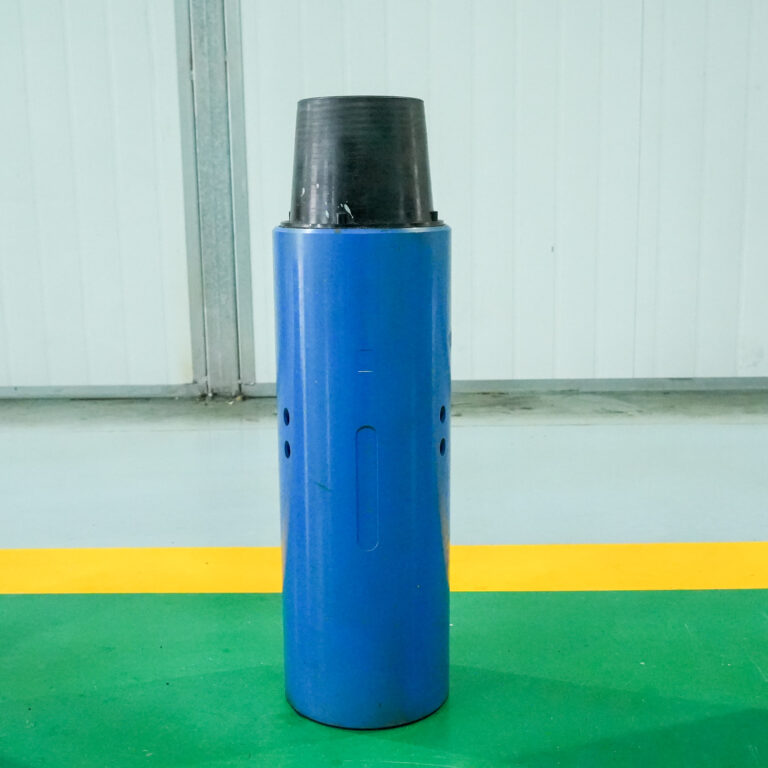
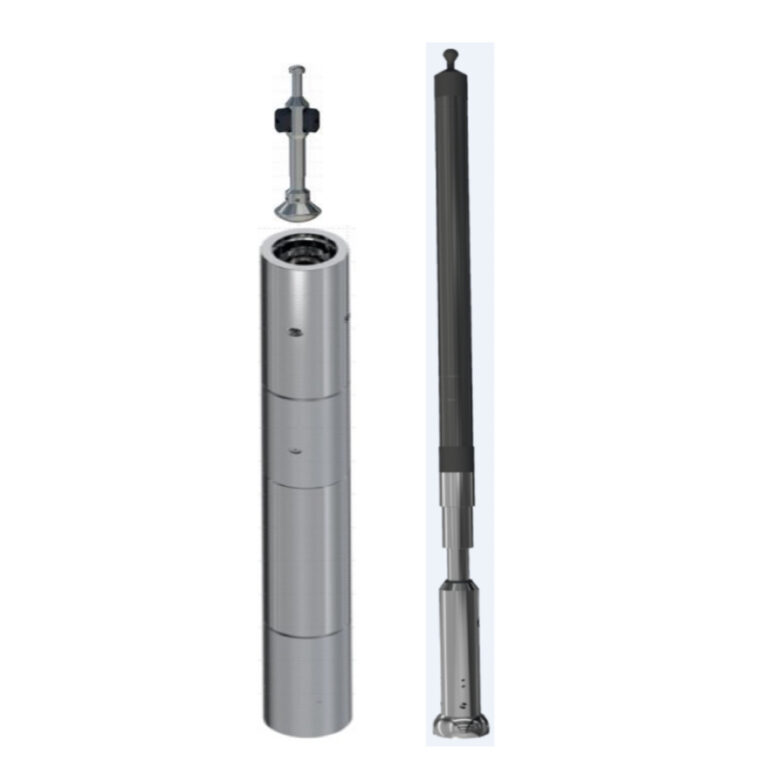
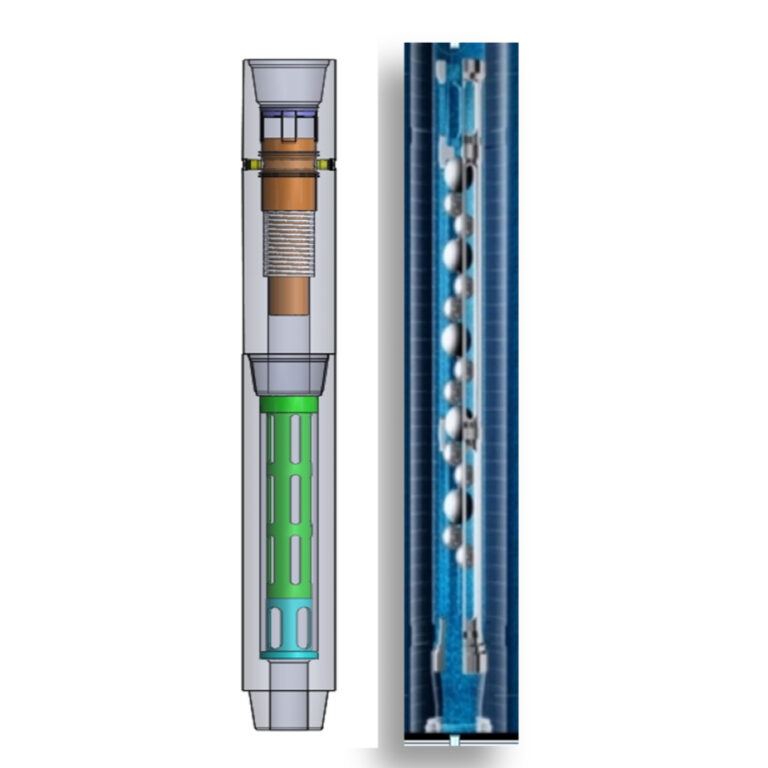
The core innovation of the NRDPP is its two-piece design. Unlike standard protectors that are fixed to the pipe and rotate with it, the NRDPP consists of an internal sleeve (fixed to the drill pipe) and an external “non-rotating” sleeve.
- Stationary Interface: When the drill string is rotated, the external sleeve of the NRDPP makes contact with the casing wall. Due to the frictional force from the casing, the external sleeve stops rotating, while the drill pipe continues to spin freely inside it.
- Fluid Lubrication: The gap between the internal and external components is lubricated by the drilling fluid, creating a hydrodynamic bearing that minimizes heat and wear.
2. Eliminating Casing Wear and “Grooving”
In high-deviation wells, the lateral force of the drill string against the casing is immense. A rotating pipe acts like a slow-motion grinding wheel, eventually “grooving” the casing wall.
- Preserving Wall Thickness: By ensuring that no rotational movement occurs against the casing surface, NRDPPs reduce casing wear to virtually zero. This is critical for maintaining the casing’s burst and collapse ratings, which are essential for the well’s 20- to 30-year production life.
- Protecting Premium Connections: NRDPPs prevent the “pinging” and vibration that can damage delicate premium casing threads during high-speed rotation.
3. Significant Torque and Drag Reduction
Friction is the “thief” of mechanical energy in a drilling system. In deep horizontal wells, the torque required just to spin the string can reach the mechanical limits of the top drive.
- Lowering the CoF: The coefficient of friction ($CoF$) between a non-rotating sleeve and the casing is significantly lower than that of steel-on-steel or even hardbanded steel.
- Extending Reach: By drastically lowering rotational torque, NRDPPs allow operators to drill longer laterals and reach deeper targets that would otherwise be “torque-limited.”
4. Vibration Damping and BHA Stability
Beyond casing protection, NRDPPs act as stabilizing “shock absorbers” for the entire drill string.
- Damping Lateral Harmonics: The elastomeric or specialized polymer material of the non-rotating sleeve absorbs lateral vibrations, reducing the “whipping” action of the drill pipe.
- Protecting Sensitive Tools: Reduced vibration levels extend the life of MWD/LWD tools and reduce the risk of fatigue-related failures in drill pipe connections.
5. Economic Impact and Risk Mitigation
While the initial cost of NRDPPs is higher than standard protectors, the Return on Investment (ROI) is realized through risk avoidance.
- Preventing Casing Failure: A single casing leak caused by wear can cost millions in remediation or lead to a total well abandonment.
- Optimizing Rig Time: Lower torque allows for higher RPM and more efficient weight transfer, which increases the Rate of Penetration (ROP) and reduces the total days on the well.
6. Conclusion
In the drilling landscape of 2026, the Non-Rotating Drill Pipe Protector is an indispensable tool for managing the physical limits of well construction. By providing a truly stationary interface against the casing, it eliminates wear, slashes torque, and stabilizes the BHA. For any project involving high deviation or sensitive casing strings, NRDPPs are the definitive choice for ensuring both operational efficiency and long-term wellbore integrity.