


The Pulse of the Wellbore: Advancing Drilling Efficiency with MWD Telemetry
In the high-stakes world of directional drilling, the ability to “see” what is happening at the bit is everything. The MWD (Measurement While Drilling) Pulser is the critical hardware responsible for translating downhole conditions into actionable intelligence. By modulating the drilling fluid pressure, the pulser acts as the primary voice of the BHA, transmitting vital survey data to the surface in real time.
1. How Mud Pulse Telemetry Works
The MWD pulser functions like a high-speed underwater communication device. It utilizes the drilling fluid (mud) column as a transmission medium:
- Encoding Data: Downhole sensors (inclination, azimuth, tool face) capture physical measurements. The processor converts these into digital code.
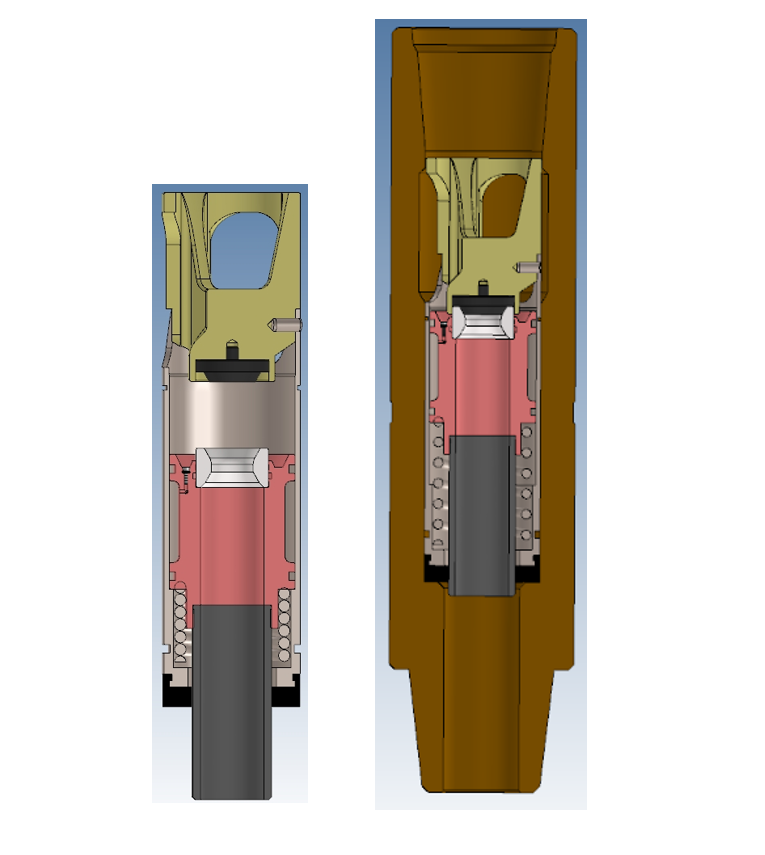
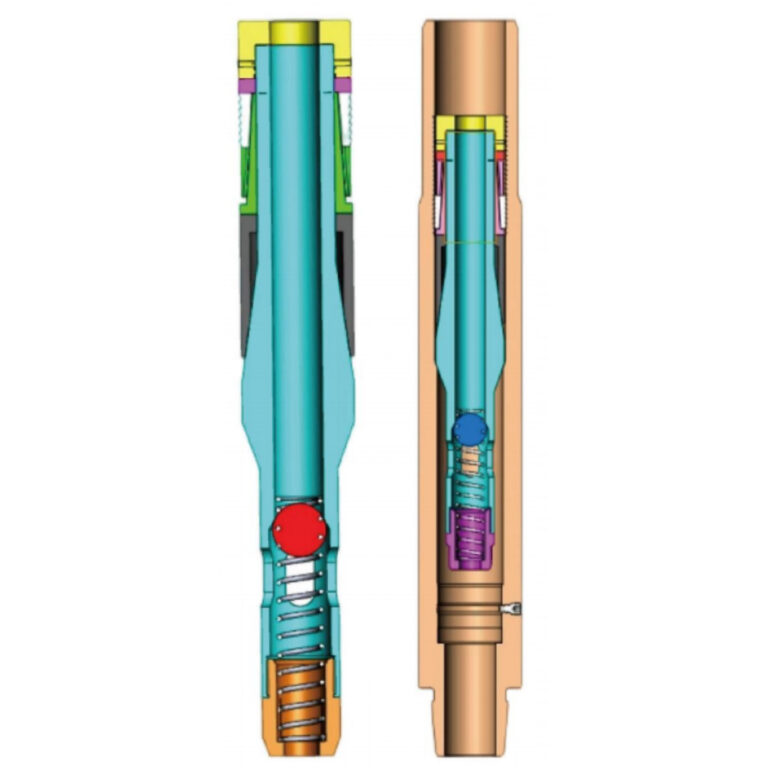
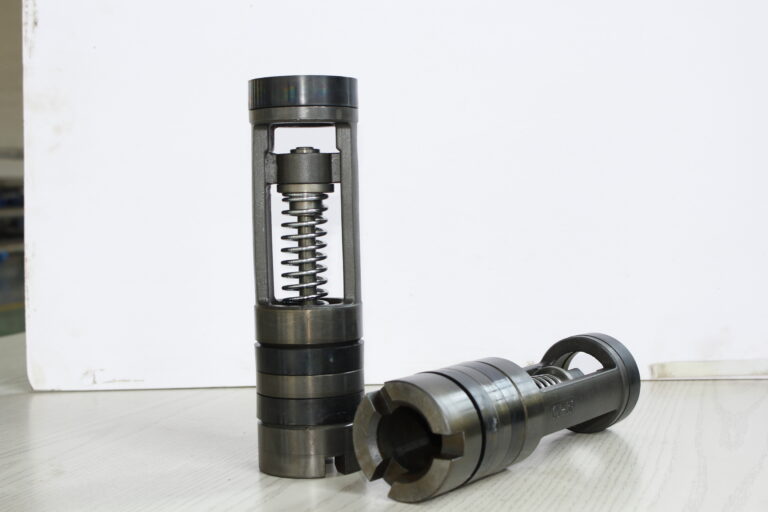
- Pressure Modulation: The pulser operates a mechanical valve (or “poppet”) that momentarily restricts fluid flow, creating a specific pressure pulse in the mud column.
- Surface Decoding: These pressure waves travel up the drill string at the speed of sound. Sensitive surface transducers detect these waves, and MWD software decodes them into the real-time drilling data used by directional drillers.
2. Key Operational Advantages
- Real-Time Decision Making: By providing constant updates on wellbore trajectory, the pulser allows the directional driller to make micro-adjustments to the BHA, ensuring the well stays within the target geological window.
- Robustness in Harsh Environments: Modern pulsers are engineered to handle the extreme temperatures, pressures, and high-vibration environments that characterize today’s deep-well operations.
- Data Density: Modern “High-Speed” pulsers have increased their data transmission rates, allowing for more comprehensive data sets—including vibration, shock, and torque—to be sent to the surface without sacrificing directional accuracy.
3. Engineering for Reliability
- Fluid Dynamics: Pulser valves are designed to minimize the pressure drop across the tool while maximizing the clarity of the signal (“signal-to-noise ratio”).
- Erosion Mitigation: Because the pulser is constantly cycling in high-velocity, solids-laden mud, the valve surfaces are coated with tungsten carbide or advanced ceramics to maintain seal integrity over hundreds of hours of drilling.
4. Conclusion
The MWD pulser is arguably the most essential piece of electronic equipment in the modern BHA. It bridges the gap between the dark, unreachable depths of the reservoir and the surface control cabin. As we progress into Phase 3 of our series, the MWD pulser serves as our primary gateway, allowing us to map the wellbore trajectory and evaluate formations with unprecedented precision.