


MWD Pulser: High-Efficiency Mud Pulse Acoustics for Real-Time Telemetry
In modern oil and gas drilling, access to real-time downhole data is essential for monitoring drilling conditions and making informed operational decisions. The Measurement While Drilling (MWD) Pulser is a key component of a mud pulse telemetry system, converting downhole measurement data into pressure pulses that travel through the drilling fluid to surface receiving equipment.
By transmitting downhole information during drilling, the MWD pulser helps operators monitor wellbore conditions and support directional drilling decisions without relying solely on post-drilling measurements.
Functional Advantages
Real-Time Downhole Data Transmission Converts measurement signals into mud pressure pulses for transmission through the drilling-fluid column to surface decoding equipment.
Integration with MWD Systems Designed to operate as part of a compatible MWD telemetry system, working with downhole sensors, control electronics, and surface data processing equipment.
Directional Drilling Support Enables transmission of downhole measurements such as inclination, azimuth, and other available drilling parameters, depending on the integrated MWD configuration.
Drilling Performance Monitoring Provides a communication link between downhole measurement equipment and surface personnel, supporting operational monitoring and decision-making.
Adaptable Telemetry Configuration Pulser type, signal characteristics, operating parameters, and system interfaces can be selected according to the MWD system design and drilling requirements.
Core Applications
Measurement While Drilling (MWD) Transmits downhole measurement data to the surface during drilling operations.
Directional Drilling Supports wellbore trajectory monitoring through transmission of directional survey data.
Downhole Condition Monitoring Enables surface personnel to receive available downhole measurements for operational assessment.
Oil and Gas Exploration and Development Used in drilling programs requiring continuous communication between downhole measurement tools and surface systems.
How Mud Pulse Telemetry Works
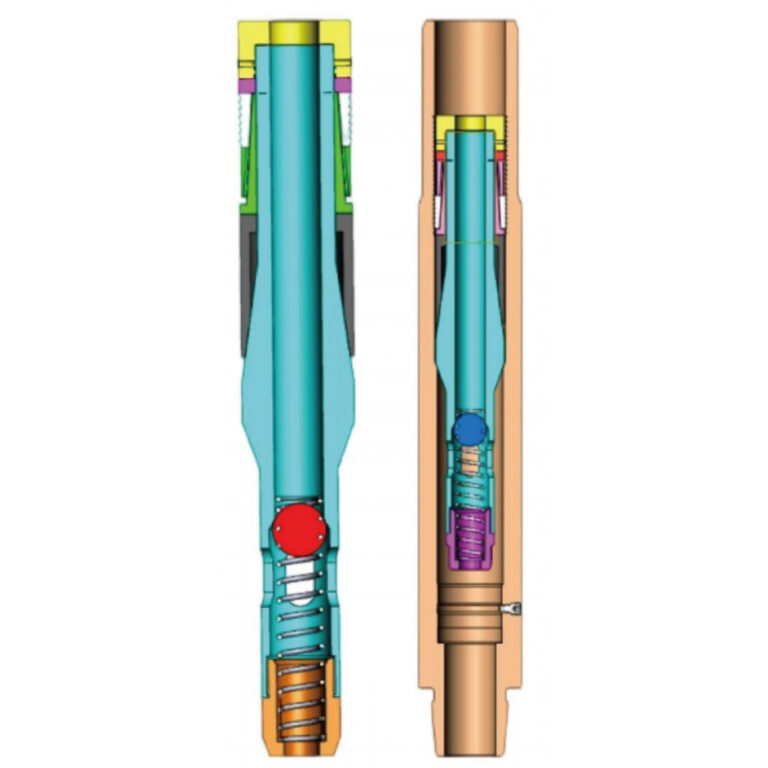
The MWD pulser receives encoded data from the downhole measurement and control system. It then generates controlled pressure variations in the drilling fluid.
These pressure pulses travel through the mud column inside the drill string to surface pressure sensors. Surface decoding equipment processes the signals and reconstructs the transmitted downhole data.
The telemetry performance depends on factors such as mud properties, drilling depth, flow rate, pulser configuration, signal encoding, and system compatibility.
Petrogears supplies MWD-related tools and downhole measurement equipment for oilfield drilling applications. Pulser configuration and system integration requirements can be discussed according to the customer’s MWD platform and operating conditions.