


Ceramic Float Valves: The Ultimate Defense Against Abrasive Mud
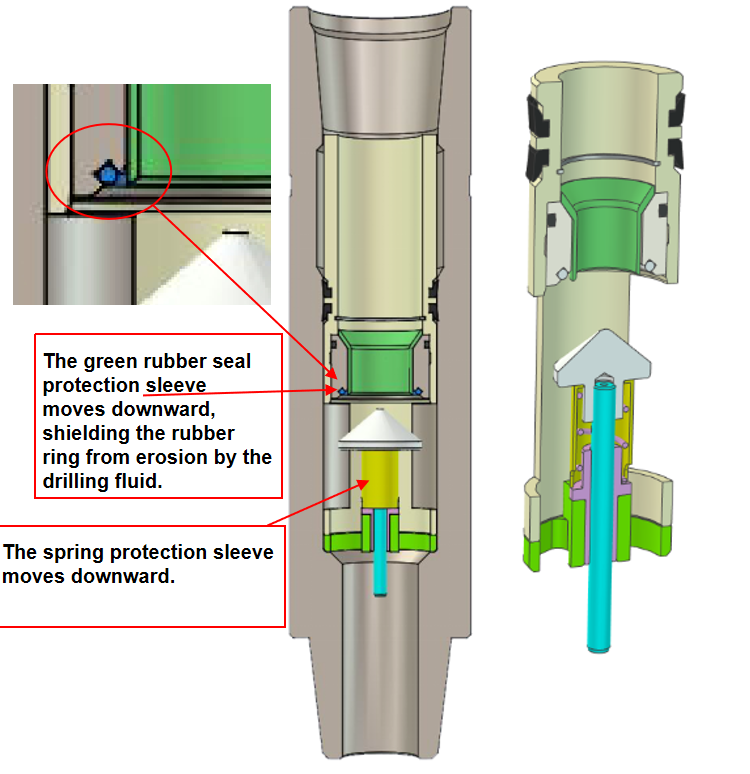
In drilling environments characterized by high-solids mud or abrasive sand content, standard steel float valves often suffer from rapid erosion. This wear can compromise the valve’s ability to create a reliable seal, leading to potential well control risks and premature BHA failure. Ceramic Float Valves have emerged as the industry’s superior solution, offering unmatched resistance to the destructive forces of abrasive drilling fluids.
1. Why Ceramic?
Ceramic materials—typically high-purity Zirconia or Alumina—possess a hardness level significantly higher than that of hardened steel. In a drilling environment, the primary cause of valve failure is the “high-velocity scouring” caused by drilling fluid laden with abrasive particles.
- Superior Hardness: Ceramic components maintain their surface integrity even when subjected to prolonged exposure to abrasive slurry.
- مقاومة التآكل: Unlike steel, ceramics are chemically inert, ensuring they do not degrade when exposed to harsh downhole chemicals, H2S, or CO2.
2. المزايا التشغيلية الرئيسية
- Extended Service Life: By significantly reducing the rate of seat and valve body erosion, ceramic float valves remain operational for much longer durations than their metallic counterparts, reducing the need for costly mid-run replacements.
- Consistent Sealing Performance: A ceramic valve retains its precision-machined geometry throughout its lifespan. This ensures a tight, reliable seal against back-flow, providing consistent well control protection throughout the entire drilling operation.
- Minimized NPT: The reliability of ceramic components directly translates to fewer unscheduled trips caused by valve failure, thereby improving overall operational efficiency and safety.
3. الهندسة من أجل المتانة
- Precision Manufacturing: Modern ceramic valves are manufactured using advanced injection molding and sintering processes, ensuring high density and fracture toughness.
- Shock Resistance: While ceramics are traditionally brittle, modern BHA-grade ceramic valves are engineered with optimized geometries and housing supports to effectively absorb the mechanical shocks and vibrations inherent in BHA operation.
4. الخاتمة
Ceramic Float Valves represent a significant upgrade in BHA protection. For operators drilling in abrasive, difficult formations, the transition to ceramic technology is not just an equipment upgrade—it is a strategic investment in reliability and safety. By minimizing the risk of erosion-related valve failure, ceramic components provide the peace of mind required to drill deeper and faster in the world’s most challenging wells.