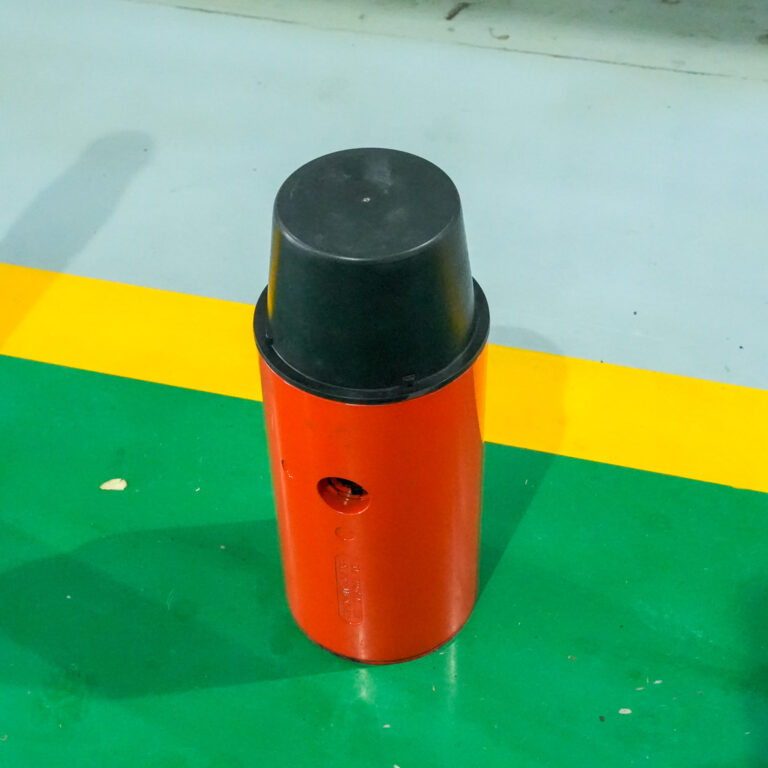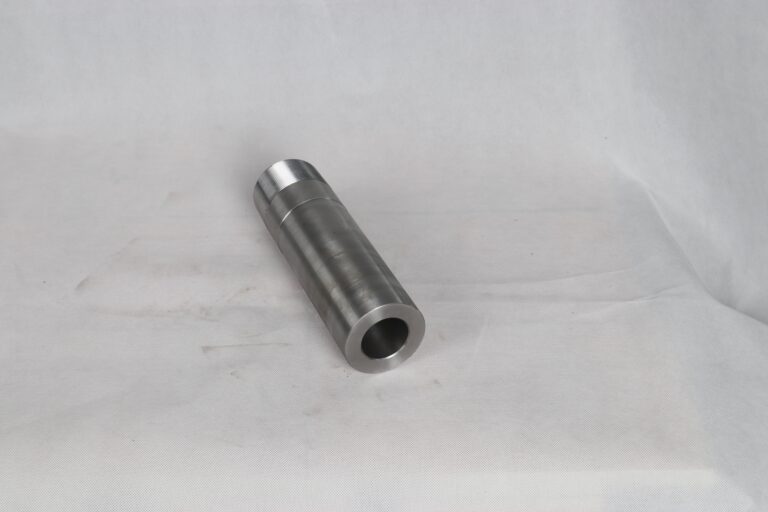



Choosing the Right Barrier: A Technical Comparison of Plate-Type and Arrow-Type Float Valves
In the world of BHA (Bottom Hole Assembly) protection, the float valve acts as the primary defense against formation fluid influx. However, not all float valves function the same way. The two most common designs—Plate-Type و Arrow-Type—each offer distinct mechanical advantages depending on the drilling environment. Understanding the differences is essential for selecting the right tool for your well’s pressure and flow profile.
1. Plate-Type Float Valves: The Heavy-Duty Workhorse
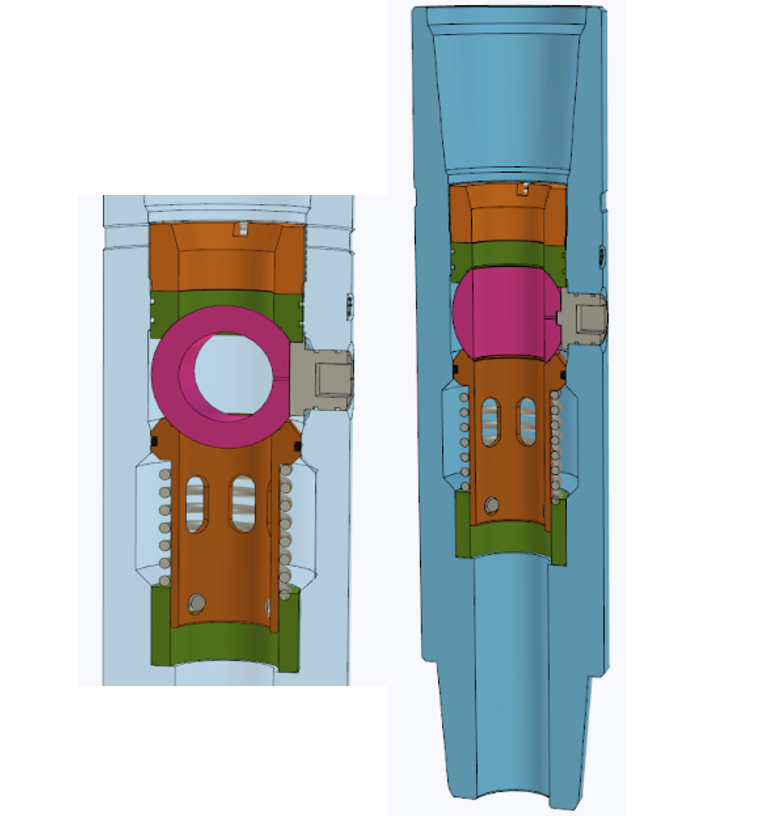
The Plate-Type float valve features a flat, circular plate that moves vertically to seal against a seat. It is a robust, time-tested design favored in high-flow environments.
- Operational Profile: Because the plate moves straight up and down, it can handle significant fluid volumes with minimal restriction.
- Best Applications: Ideal for large-diameter drilling and situations where you need to maximize fluid velocity through the BHA. The design is exceptionally durable against heavy drilling muds and high flow rates.
2. Arrow-Type (Plunger) Float Valves: Precision and Stability
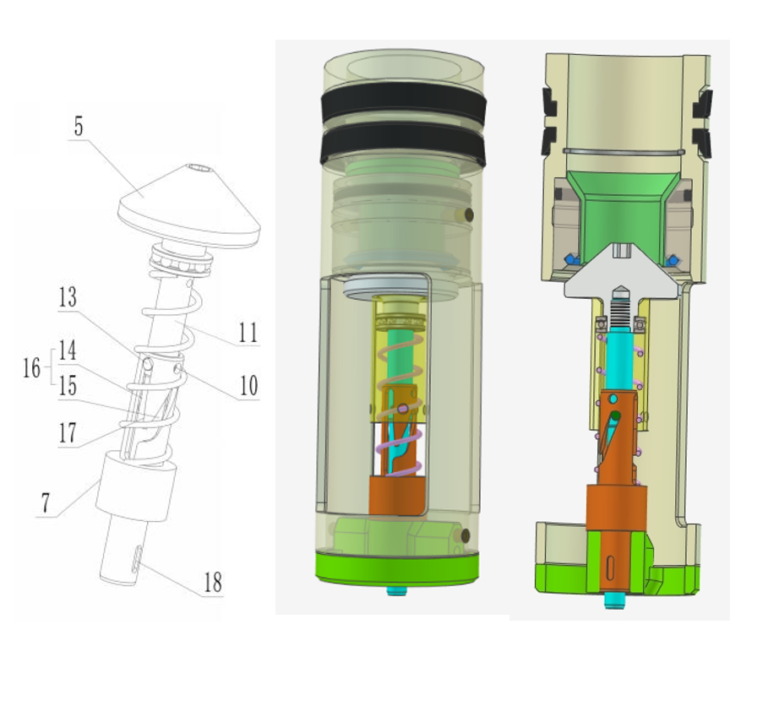
The Arrow-Type float valve, often referred to as a “plunger” or “poppet” style, utilizes a dart-shaped element that guides the valve into its seat.
- Operational Profile: The dart/arrow shape provides excellent centering, ensuring a perfect seal every time. This design is highly resistant to “fluttering” in high-vibration drilling environments.
- Best Applications: Preferred for high-pressure wells and directional drilling applications where vibration control is critical. Its stable closure mechanism ensures the valve remains sealed even when drilling dynamics are unstable.
3. Comparison Matrix
| الميزة | Plate-Type | Arrow-Type (Plunger) |
| سعة التدفق | Excellent (High Volume) | Good (Moderate) |
| Stability | معتدل | High (Excellent for vibration) |
| مقاومة التآكل | High (Robust construction) | Moderate (Precision components) |
| Primary Use Case | Large-hole/High-flow drilling | Directional/HPHT/High-vibration |
4. Selection Guidance
- Choose Plate-Type if: You are drilling top-hole sections, using high-volume mud flow, or need a “set it and forget it” tool that is virtually indestructible in standard formations.
- Choose Arrow-Type if: You are in a long-lateral section, dealing with extreme vibration, or require the absolute highest precision in seal integrity for high-pressure well control.