


مولدات نبض الصمام الدوار: كيفية تحسينها لنقل البيانات
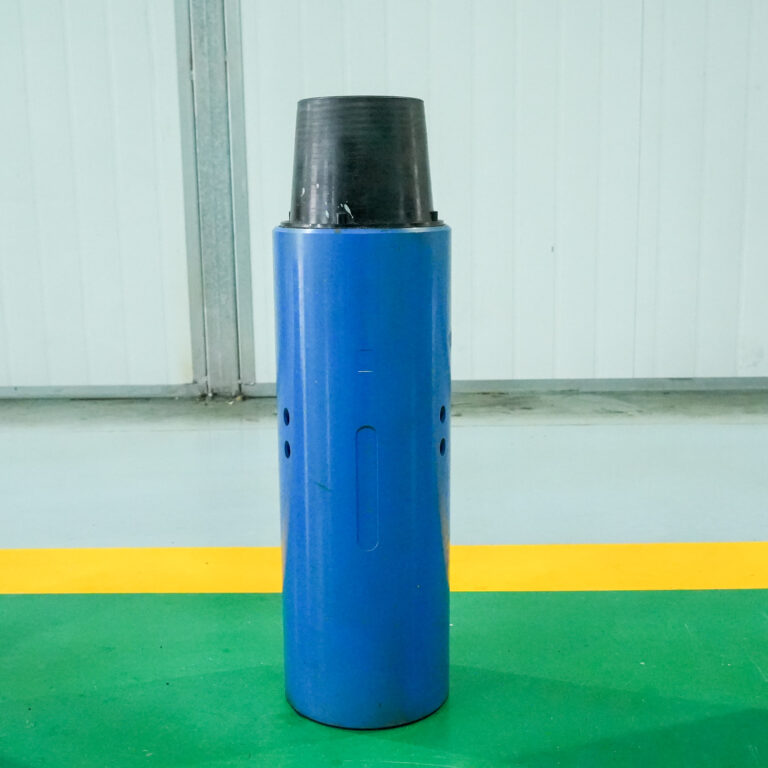
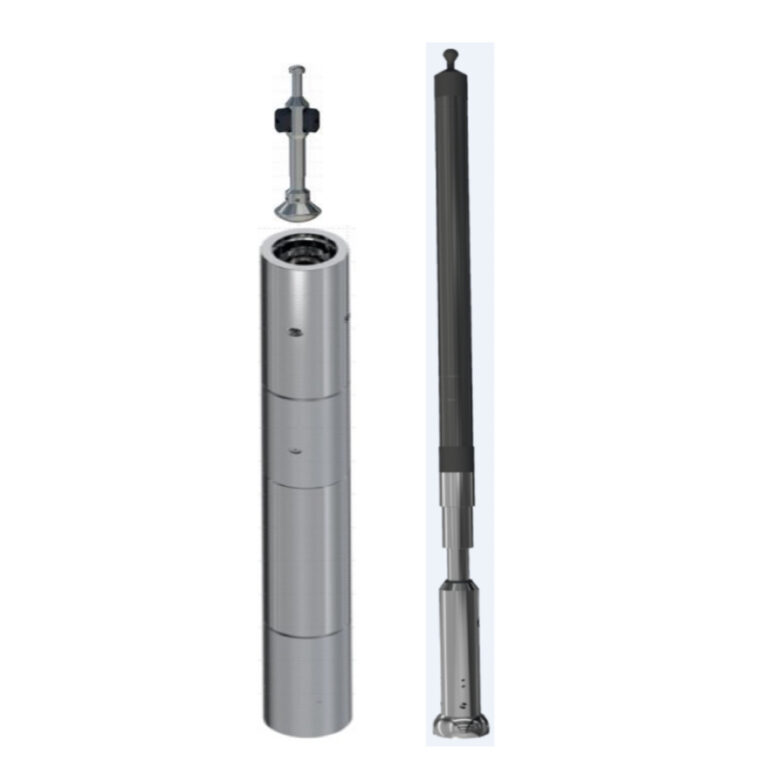
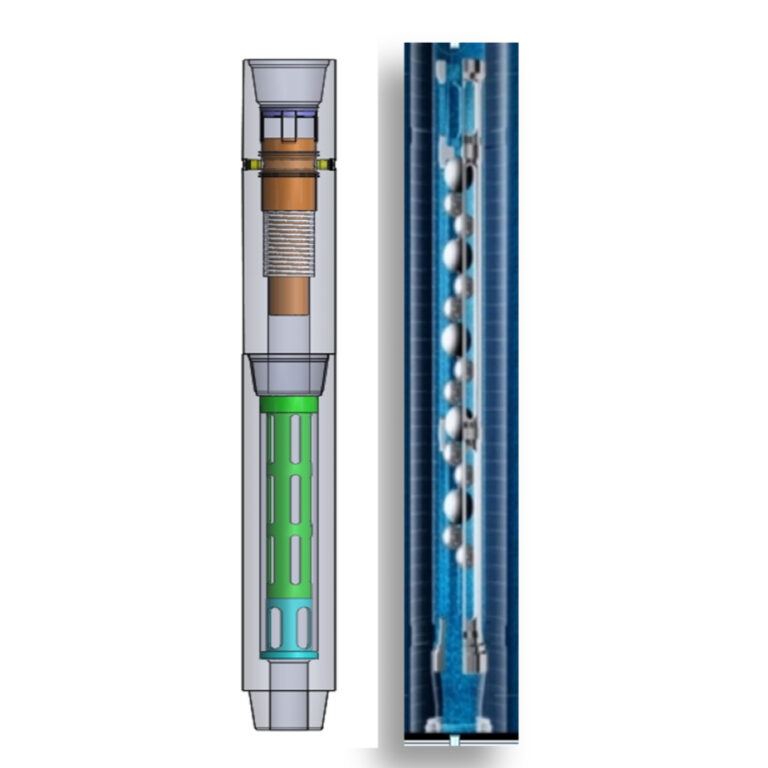
في مسيرة تطور تكنولوجيا القياس أثناء الحفر (MWD)، كان الانتقال من الأنظمة التقليدية التي تعمل بنظام “النبض الإيجابي” (من نوع الصمام الكروي) إلى مولدات النبضات ذات الصمام الدوار يمثل هذا تحولاً جذرياً في مجال نقل البيانات. مع توجه عمليات الحفر نحو بيئات أعمق وأكثر تعقيداً وتستلزم كميات أكبر من البيانات، أصبحت سرعة ووضوح الاتصال بين مجموعة رأس الحفر (BHA) والسطح أمراً بالغ الأهمية. وفيما يلي الأسباب التي تجعل تقنية الصمام الدوار هي الحل عالي الأداء الذي تقدمه الصناعة للتغلب على معوقات القياس عن بُعد.
1. من “المربع” إلى “الجيوبي”: ميزة شكل الموجة
تعمل أجهزة النبض التقليدية مثل مفتاح الإضاءة: فهي إما “مشغلة” أو “مطفأة”، مما ينتج عنه نبضة ضغط ذات موجة مربعة. ويؤدي هذا التوقف الميكانيكي المفاجئ إلى حدوث “ضوضاء” واضطرابات كبيرة.
- القياس عن بُعد بالموجة المستمرة: تعمل أجهزة النبض الدوارة كصمام يدور باستمرار. ومن خلال فتحها وإغلاقها باستمرار، فإنها تولد موجة جيبية مستمرة (القياس عن بُعد بالموجة المستمرة) بدلاً من النبضات المنفصلة والمتقطعة.
- وضوح الإشارة: يُعد تصفية هذه الموجة الجيبية من ضوضاء الخلفية الصادرة عن مضخات الطين أسهل بكثير بالنسبة لبرامج السطح. والنتيجة هي إشارة أنظف بكثير وأكثر موثوقية يمكن رصدها على أعماق أكبر.
2. نقل البيانات بسرعة عالية
تتمثل الميزة الأهم لتصميم الصمام الدوار في قدرته على نقل البيانات بمعدلات باود أعلى بكثير (بت في الثانية).
- إزالة العقبة: ونظرًا لأن الصمام يدور بشكل مستمر، فإنه لا يعاني من التأخير الميكانيكي الذي يعاني منه الصمام الصمامي (الذي يتعين عليه انتظار عودة الزنبرك إلى مكانه بعد كل نبضة).
- البيانات في الوقت الفعلي: تتيح أجهزة الإرسال الدوارة نقل بيانات LWD عالية الكثافة — مثل قياسات المقاومة عالية الدقة أو سجلات الصور الكاملة — التي قد يستغرق إرسالها ساعات باستخدام أجهزة الإرسال التقليدية. وفي عام 2026، حيث يُعد “الوقت الفعلي” المعيار الذهبي، تصبح الصمامات الدوارة عنصراً أساسياً.
3. تقليل التآكل الهيدروليكي
تُغلق الصمامات الكروية التقليدية “بقوة” بشكل متكرر، مما يتسبب في ارتفاعات حادة في الضغط (ما يُعرف بـ“تأثير المطرقة المائية”) التي قد تؤدي إلى إجهاد وصلات سلسلة الحفر وإلحاق الضرر بالأجهزة الإلكترونية الحساسة لنظام القياس أثناء الحفر (MWD).
- نظام هيدروليكي سلس: يتيح تصميم الصمام الدوار تعديلًا سلسًا ومتدفقًا لتدفق الملاط. وهذا يزيل الصدمات الضغطية العنيفة، مما يؤدي إلى إطالة عمر مجموعة رأس الحفر (BHA) وتقليل الإجهاد على سلسلة الحفر.
- تقليل الانسداد: ونظرًا لأن الصمام الدوار يتحرك باستمرار ويقوم بـ“قص” مسار السائل، فإنه يتمتع بطبيعته بمقاومة أكبر للانسداد بفعل الحطام مقارنةً بالصمام الكروي الثابت الذي قد “ينحشر” في وضعه المغلق.
4. كفاءة استهلاك الطاقة والمتانة
تعمل أجهزة النبض الدوارة الحديثة بواسطة محركات تيار مستمر عديمة الفرش ذات عزم دوران عالٍ.
- عمر التشغيل: نظرًا لوجود عدد أقل من الأجزاء المتحركة وغياب دورات الزنبرك عالية التأثير، تتميز أجهزة النبض الدوارة بـ“متوسط الوقت بين الأعطال” (MTBF) أعلى بكثير مقارنةً بالتصاميم التقليدية.
- إدارة الطاقة: تتميز الأنظمة الدوارة بكفاءة أكبر في استهلاك الطاقة، مما يتيح لأدوات القياس أثناء الحفر (MWD) العمل لفترات أطول دون الحاجة إلى تغيير البطارية أو صيانة التوربين.
5. مثالي للبيئات شديدة الضوضاء
تؤدي الآبار العميقة والعمليات ذات معدل التدفق العالي إلى خلق بيئة هيدروليكية “صاخبة”. وغالبًا ما “تضيع” النبضات التقليدية ذات الموجة المربعة وسط هذا الضجيج الخلفي. ونظرًا لأن الصمام الدوار يولد موجة جيبية متناسقة ومميزة، يصبح من الأسهل بكثير على خوارزميات معالجة الإشارات الرقمية المتقدمة (DSP) الموجودة على السطح استخراج الإشارة، حتى عندما تكون نسبة الإشارة إلى الضجيج منخفضة.
6. خاتمة
يُعد الانتقال إلى مولدات النبضات ذات الصمامات الدوارة ضرورة تقنية لا غنى عنها لعمال الحفر المعاصرين. فمن خلال استبدال النبضات الميكانيكية التي تعمل بنظام “التوقف والتشغيل” بتشكيل الموجة المستمرة عالي السرعة، توفر هذه الأدوات النطاق الترددي والموثوقية المطلوبين لمستقبل عمليات الحفر التي تتطلب معدلات نقل بيانات عالية. وبالنسبة لأي عملية تُعطي الأولوية للدقة في الوقت الفعلي وطول عمر مجموعة رأس الحفر (BHA)، يُعد الصمام الدوار الخيار الأمثل.