


المفاصل المقاومة للتآكل في الأغلفة الدوارة: المطاط مقابل السبائك المعدنية — اختيار الحماية المناسبة
في عمليات الحفر ذات المدى الممتد والحفر ذي المنعطفات الحادة، يمكن أن يؤدي الدوران المستمر لأنبوب الحفر مقابل سلسلة أنابيب التغليف إلى تآكل كارثي في أنابيب التغليف. وللتخفيف من حدة هذه المشكلة، يستخدم المشغلون وصلات الغلاف الدوار المقاومة للتآكل. ولكن عند الاختيار بين المطاط و سبيكة الخيارات المتاحة، يعتمد القرار على بيئة البئر الخاصة بك، ومتطلبات عزم الدوران، وظروف قاع البئر.
1. الوصلات الدوارة المطاطية المقاومة للتآكل
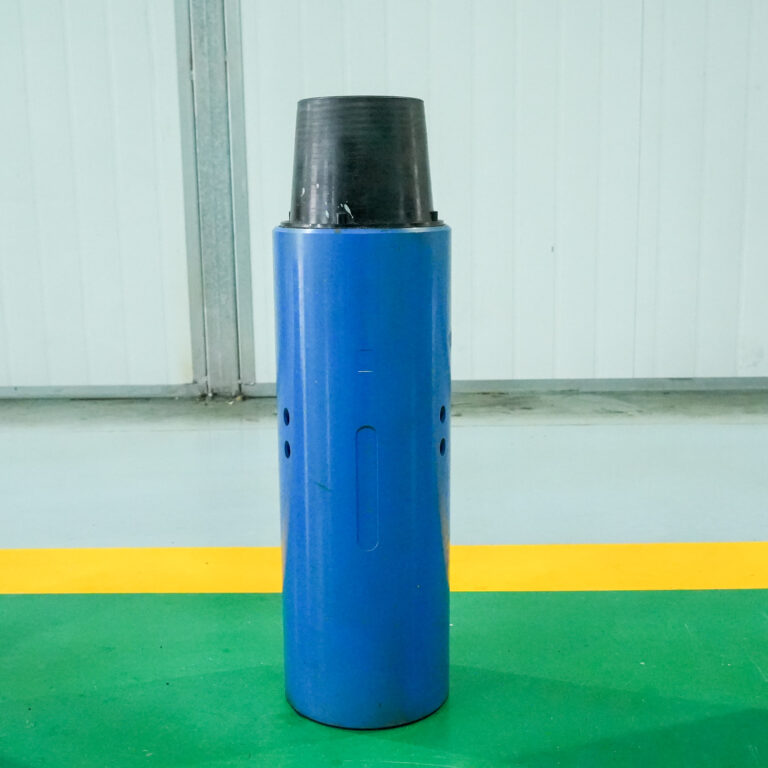
تُعد الوصلات المطاطية الخيار المفضل في هذا المجال لبيئات الحفر القياسية. فهي تعمل كجلبة قابلة للتآكل ومنخفضة الاحتكاك تحمي الأنبوب الخارجي من سلسلة الحفر الأكثر صلابة.
- المزايا:
- قدرة تزييت فائقة: يوفر المطاط معامل احتكاك ممتازًا، مما يقلل بشكل كبير من عزم الدوران والمقاومة الهوائية.
- الكفاءة من حيث التكلفة: فهي عمومًا أقل تكلفةً وأسهل في الاستبدال على سطح منصة الحفر.
- الأفضل لـ: الآبار ذات درجات الحرارة المعتدلة والتكوينات التي يمثل فيها انخفاض عزم الدوران العقبة التشغيلية الرئيسية.
2. الوصلات المقاومة للتآكل المصنوعة من سبائك معدنية للأغلفة الدوارة
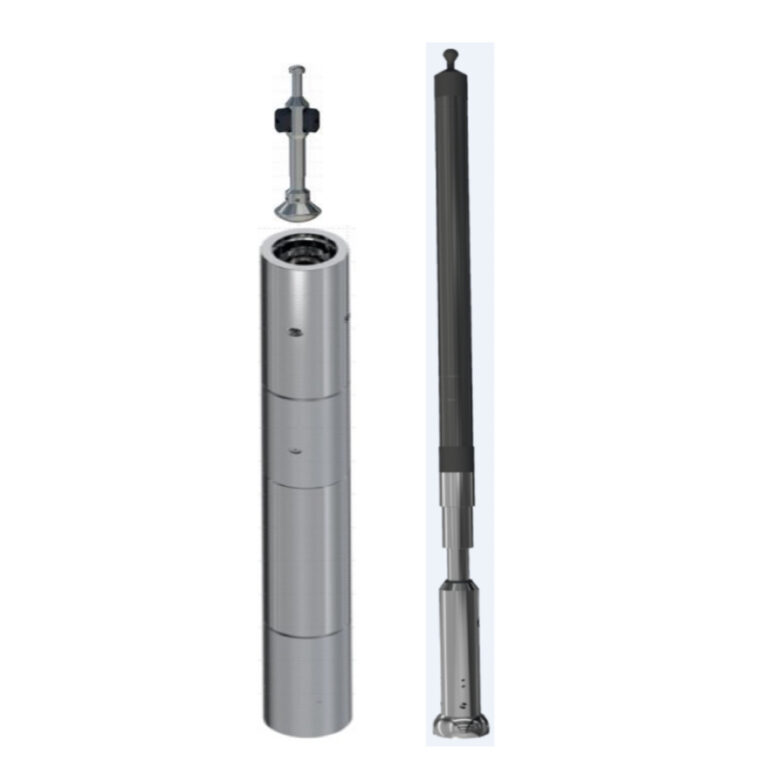
تستخدم الوصلات المصنوعة من السبائك أسطحًا معدنية عالية القوة وذات طبقة خارجية صلبة لتوفير حاجز مادي متين بين سلسلة الحفر وأنبوب التغليف.
- المزايا:
- القدرة على التحمل في ظروف الحرارة والضغط العاليين (HPHT): على عكس المطاط، لا تتعرض السبائك عالية الأداء للتلف في البيئات التي تتسم بدرجات حرارة عالية جدًّا أو ضغط عالٍ.
- المتانة: فهي قادرة على تحمل الأحمال الجانبية الثقيلة والظروف الكاشطة التي من شأنها أن تمزق الجلبة المطاطية العادية في غضون ساعات.
- الأفضل لـ: الآبار العميقة أو الساخنة أو شديدة الكشط، حيث قد تؤدي الأحمال الميكانيكية إلى تلف المطاط قبل الأوان.
3. كيف تختار؟
عند الاختيار بين الاثنين، ضع في اعتبارك هذه العوامل الثلاثة:
- درجة حرارة البئر: إذا كنت تعمل في مناطق ذات درجات حرارة وضغط عاليين (HPHT)، فقد يتعرض المطاط للتلف — لذا فإن السبائك المعدنية هي الخيار الأكثر أمانًا.
- متطلبات العزم/المقاومة: إذا كنت تواجه مشاكل تتعلق بالعزم العالي في مسار جانبي أفقي طويل، فإن قدرة المطاط الفائقة على التزليق قد تكون هي الفارق بين الوصول إلى نقطة الهدف (TD) والوقوع في مأزق.
- درجة الكشط في التركيب: في الأجزاء التي تحتوي على نسبة عالية من الرمل أو الصخور شديدة الصلابة، غالبًا ما تتفوق مقاومة السبائك للتآكل على المقاومة التي يتمتع بها المطاط بشكل ملحوظ.
4. الخاتمة
تُعد الوصلات المقاومة للتآكل، سواء كانت مصنوعة من المطاط أو من السبائك المعدنية، عنصراً حاسماً في حماية استثمارك في أنابيب التغليف. ومن خلال التقييم الدقيق لخصائص البئر، يمكنك اختيار المادة المناسبة لزيادة عمر الأدوات إلى أقصى حد، وتقليل «الوقت غير الإنتاجي» (NPT)، وضمان سلامة حفرة البئر طوال عمر الأصل.