


Juntas de aleación resistentes al desgaste: durabilidad en entornos abrasivos
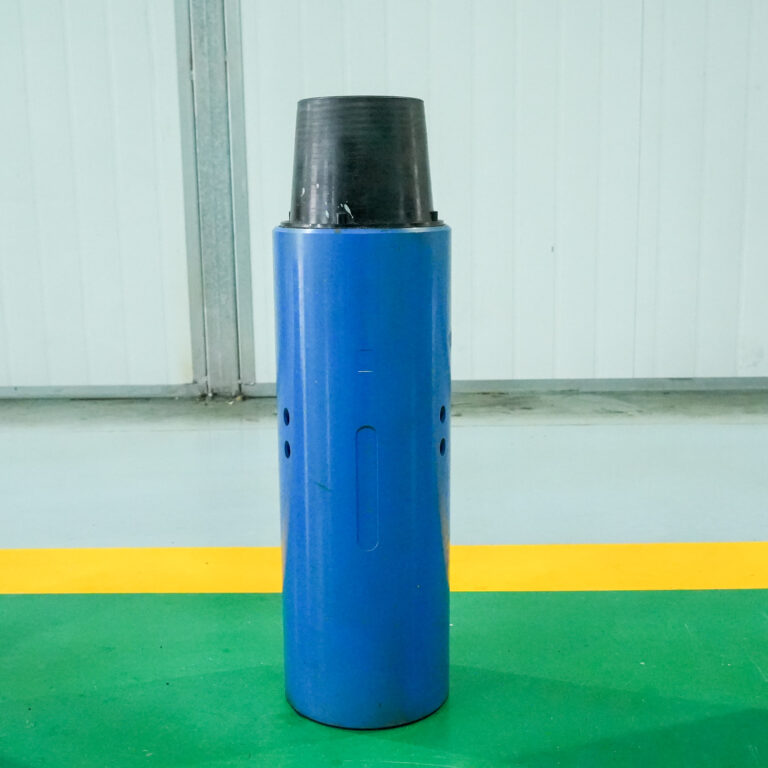
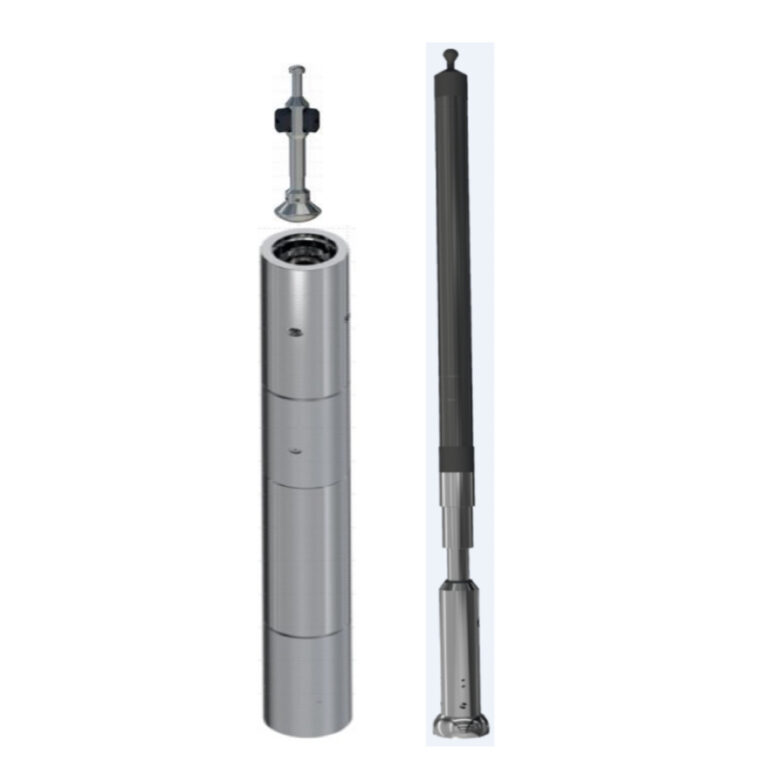
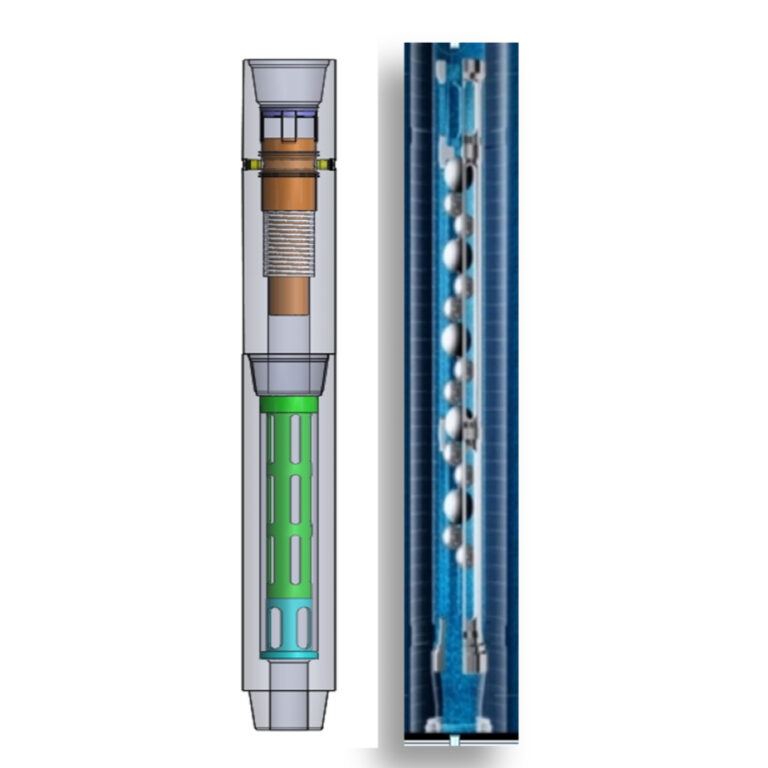
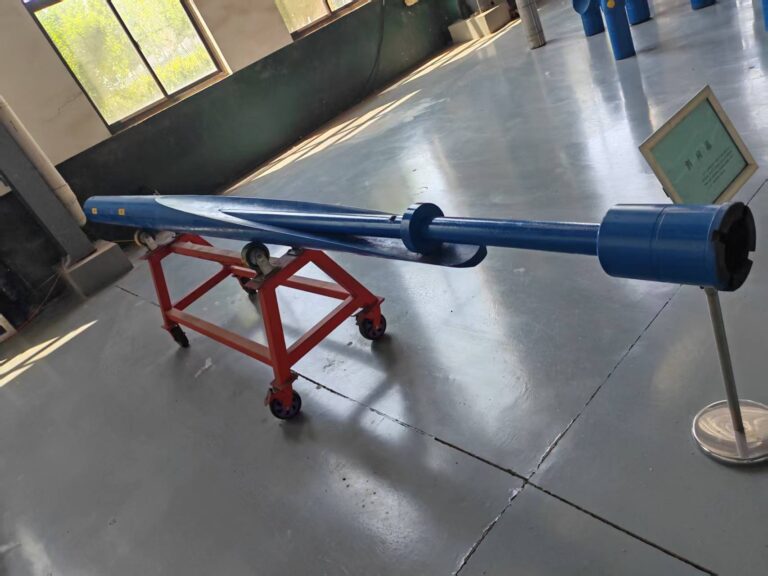
En la jerarquía de protección de la BHA, llega un momento en el que las exigencias mecánicas del pozo superan los límites físicos de los elastómeros. En el caso de formaciones ultraprofundas, de alta temperatura o altamente abrasivas, Juntas resistentes al desgaste para tuberías rotativas de aleación son el estándar en materia de durabilidad. Fabricadas con aleaciones de alta resistencia y reforzadas con un recubrimiento duro de última generación, estas herramientas proporcionan una barrera prácticamente indestructible entre la sarta de perforación y la sarta de revestimiento.
1. Por qué la aleación es mejor que el caucho en condiciones extremas
Si bien la goma es excelente para reducir el par en pozos estándar, las juntas de aleación son la “artillería pesada” de la protección de la tubería de revestimiento:
- Resistencia a altas presiones y altas temperaturas: Las altas temperaturas, que harían que el caucho se derritiera o se hinchara, no afectan al acero aleado, lo que lo convierte en la opción preferida para pozos geotérmicos profundos y calientes o pozos de hidrocarburos HPHT.
- Resistencia superior a la abrasión: En formaciones con altas concentraciones de sílice o arena abrasiva, las juntas de aleación utilizan recubrimientos especializados de carburo de tungsteno o recubrimientos duros por pulverización térmica para mantener su diámetro exterior (OD) a pesar del desgaste constante.
- Integridad estructural: Estas uniones proporcionan una rigidez estructural que ayuda a evitar que la barra de perforación se sacuda o vibre contra el revestimiento, una causa habitual de fallo prematuro del revestimiento.
2. Tecnologías avanzadas de recubrimiento duro
La durabilidad de una junta de aleación viene determinada por su patrón de recubrimiento duro. Las juntas de aleación modernas utilizan:
- Recubrimiento duro en espiral: Optimizada para reducir al mínimo la superficie de contacto y maximizar la durabilidad, lo que garantiza que la junta pueda soportar fuertes cargas laterales sin perder material.
- Recubrimientos por pulverización térmica: Proporciona un acabado superficial liso, uniforme y extremadamente duro que minimiza la fricción contra la carcasa y maximiza su propia vida útil.
3. Ventajas operativas
- Reducción del tiempo de inactividad: Dado que las uniones de aleación pueden resistir múltiples operaciones en las condiciones más exigentes, reducen considerablemente la frecuencia del mantenimiento del BHA y el tiempo de descenso.
- Capacidad de carga lateral elevada: Diseñadas para funcionar bajo las condiciones extremas de peso sobre la broca (WOB) y par de apriete propias de la perforación de largo alcance, estas uniones no se deforman ni se “aplastan”, y mantienen su geometría protectora incluso bajo una tensión mecánica enorme.
4. Conclusión
Las uniones resistentes al desgaste de las tuberías de revestimiento rotativas de aleación son una inversión en la integridad a largo plazo de su pozo. Al optar por la aleación para las secciones más exigentes del pozo, elimina el riesgo de fallo de los elastómeros, protege sus tuberías de revestimiento del desgaste catastrófico y garantiza la fiabilidad de su sarta de perforación durante las fases más difíciles de su programa de perforación.