


Zero-Intervention Priming: Hydrodynamic Mechanics of Self-Priming Float Valve Assemblies
During modern drilling operations, efficiency and safety on the rig floor depend heavily on minimizing manual interventions. Traditional float valves and backpressure mechanisms often require precise manual filling protocols or surface manipulation during tripping to ensure proper fluid priming. When drill strings are run dry or partially filled, trapped air pockets and pressure differentials can compromise well control and slow down operations. Zero-Intervention Priming technology—driven by advanced hydrodynamic self-priming float valve assemblies—revolutionizes this process by automatically managing internal string filling and pressure equalization without requiring any manual crew action.
1. The Hydrodynamic Mechanics of Self-Priming
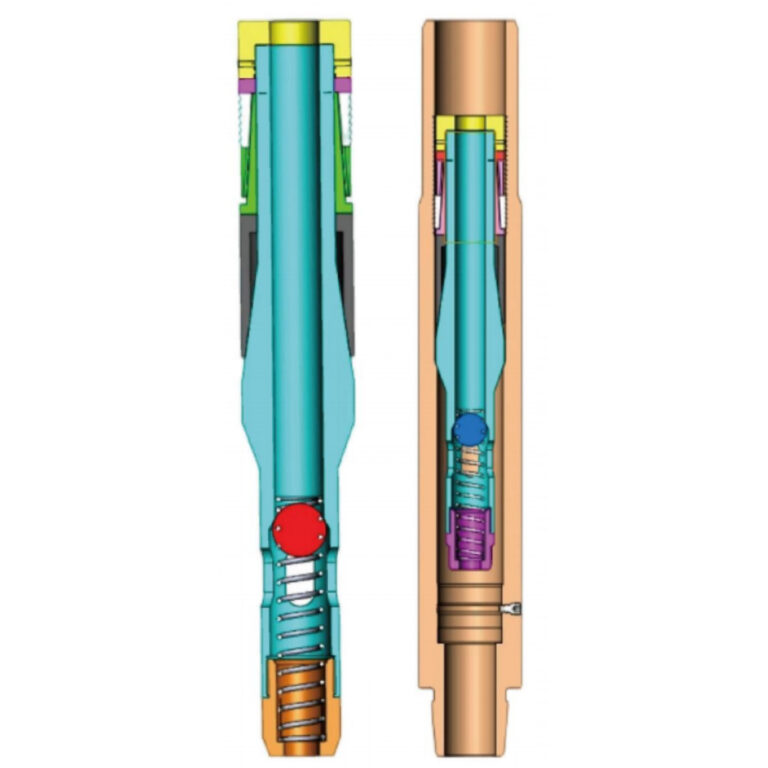
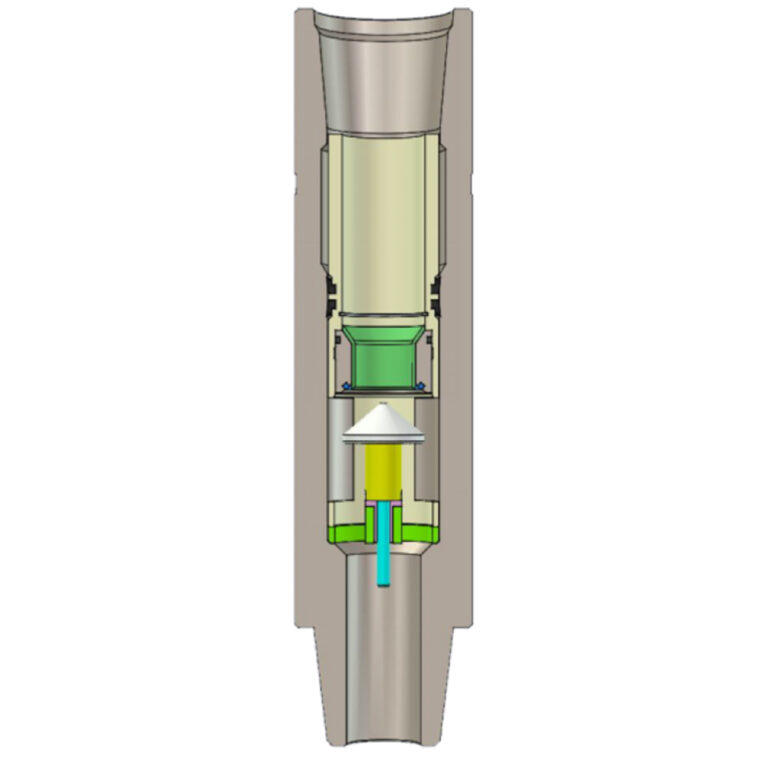
Self-priming float valves are engineered to utilize the surrounding fluid dynamics of the wellbore and mud column to establish positive pressure containment automatically.
- Hydrostatic Pressure Equalization: As the drill string is lowered into the well, specialized bypass channels and pressure-balanced internal check elements allow drilling mud to enter and fill the pipe at a controlled rate, preventing dangerous internal vacuum zones.
- Dynamic Fluid Activation: The moment mud pumps are engaged at surface, internal hydrodynamic forces instantly shift the self-priming mechanism into full-circulation mode, aligning flow ports for unobstructed fluid delivery to the bit.
- Instantaneous Seal Engagement: Upon pump shutdown, the internal valve assembly relies on rapid-response fluid reversal kinetics to snap closed, sealing off backflow and establishing an immediate unidirectional pressure barrier.
2. Ventajas operativas clave
- Elimination of Rig-Floor Hazards: Removes the need for roughnecks to manually fill drill pipe joints during tripping, drastically reducing exposure to heavy mud splashes and mechanical pinch points.
- Prevention of U-Tubing and Collapses: Maintains balanced internal and external hydrostatic pressures, eliminating the risk of pipe collapse from evacuated intervals or sudden U-tubing surges.
- Accelerated Tripping Cadence: Streamlines pipe-handling operations by automating the filling process, saving critical hours of non-productive time (NPT) over long intermediate and lateral intervals.
3. Engineering for Reliable Downhole Performance
- Optimized Internal Flow Geometries: Designed with computer-modeled fluid pathways that minimize parasitic pressure loss and eliminate turbulence-induced erosion during high-rate pumping.
- Wear-Resistant Material Matrix: Built using hardened alloy steels and erosion-resistant coatings capable of withstanding high-velocity abrasive muds, sand fines, and aggressive chemical additives.
4. Conclusión
Automating critical wellbore safety features is the hallmark of modern drilling engineering. By leveraging hydrodynamic self-priming mechanics, zero-intervention float valve assemblies deliver seamless, fail-safe fluid control, protecting personnel, preserving string integrity, and maximizing operational efficiency from spud to total depth.