


Product Technical Introduction
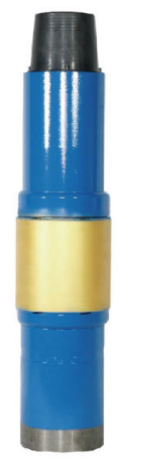
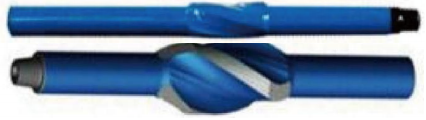
The Adjustable Stabilizer While Drilling (ASWD) is an advanced downhole tool designed to dynamically modify its stabilizer diameter during drilling operations. By controlling contact with the borehole in real time, the tool improves wellbore stability, directional control, and drilling efficiency without tripping the drill string.
This stabilizer is particularly effective in directional, horizontal, and extended-reach wells, where changing formation conditions or wellbore geometry require adaptive stabilization.
Working Principle & Diameter Adjustment Mechanism
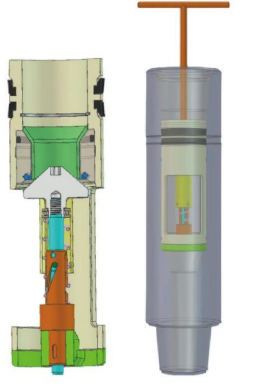
The ASWD uses a hydraulic, mechanical, or oil-pressure-driven mechanism to adjust blade extension and retraction in response to drilling fluid pressure or operator commands. As the blades expand, the tool increases borehole contact; when retracted, it reduces friction and torque.
Key functional benefits:
- Real-time diameter adjustment without pulling the drill string
- Optimized borehole contact for directional control
- Vibration and stick-slip mitigation
- Reduced wear on the drill string and stabilizer blades
This adaptive mechanism allows operators to fine-tune wellbore stability and maintain trajectory accuracy throughout the drilling run.
Directional Control & Vibration Reduction
By actively controlling stabilizer diameter, the ASWD helps:
- Maintain drill string centering in the wellbore
- Minimize lateral vibration, whirl, and stick-slip
- Improve hole quality and gauge retention
- Reduce torque and drag in deviated and extended-reach wells
These features make the ASWD a critical tool for modern directional drilling programs.
Design, Materials & Durability
- High-strength alloy steel body for maximum mechanical integrity
- Wear-resistant stabilizer blades with hardfacing for long service life
- Precision-machined hydraulic or mechanical adjustment system
- Reliable sealing and actuation components to withstand high-pressure, high-flow drilling fluids
The robust design ensures consistent performance in challenging downhole conditions while extending tool lifespan.
Operational Advantages
- Adaptive stabilization without tripping
- Improved directional and trajectory control
- Reduced lateral vibration and stick-slip
- Extended tool and drill string life
- Increased drilling efficiency in complex formations
Typical Applications
- Directional and horizontal drilling
- Extended-reach drilling (ERD)
- Wells with changing formation diameters
- High-vibration or unstable formations
- Trajectory and borehole quality control