


Why Adjustable Stabilizers Improve Drilling Efficiency: The Shift from Static to Dynamic BHA
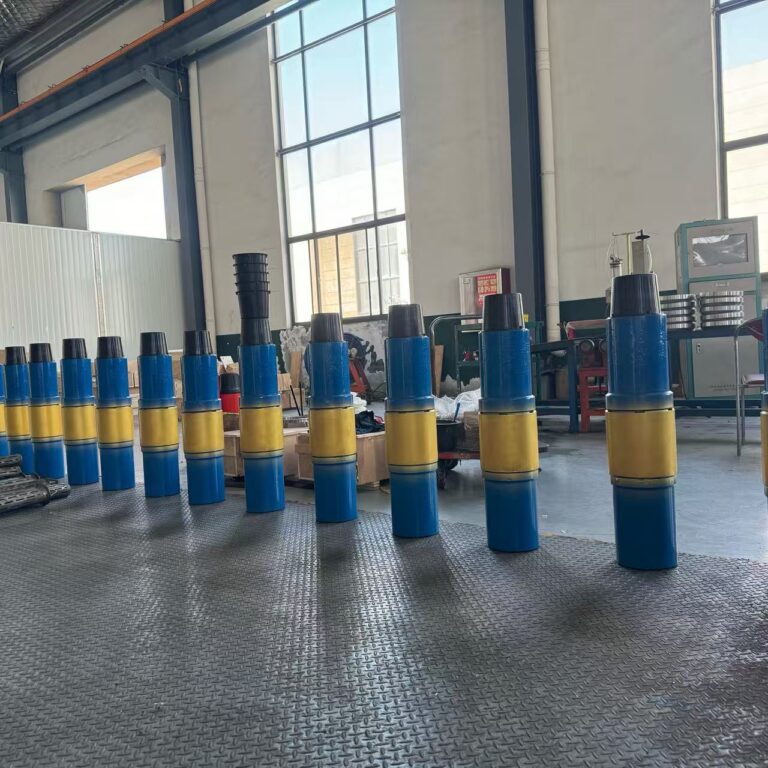
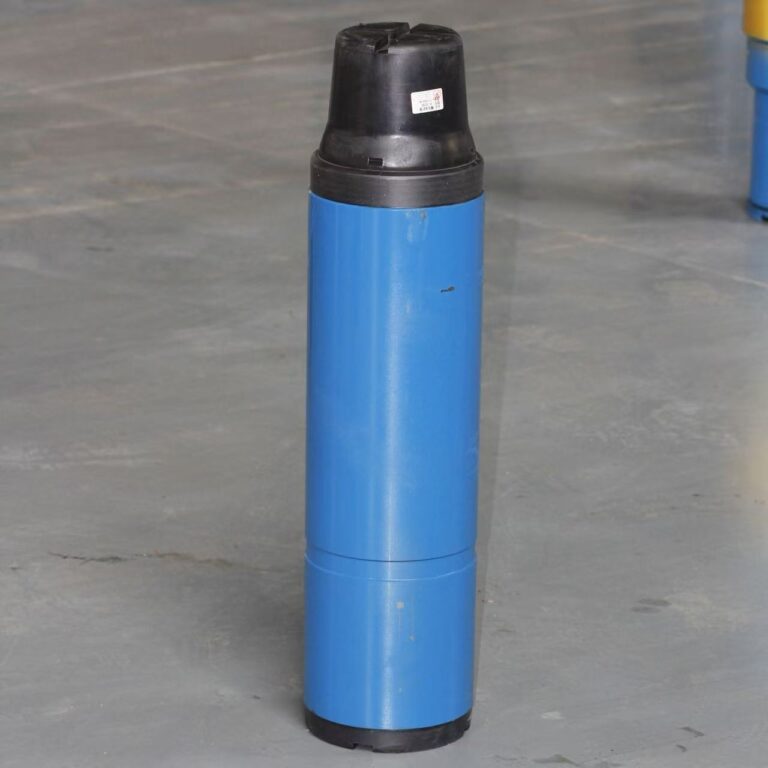
In the pursuit of operational excellence, the oil and gas industry has moved beyond the limitations of static Bottom Hole Assemblies (BHA). Traditionally, changing the stabilization diameter required a full “trip” out of the hole—a process that consumes dozens of hours of non-productive time (NPT). The introduction of Adjustable Stabilizers has fundamentally changed this dynamic, allowing operators to modify tool geometry in real-time, directly impacting drilling efficiency and wellbore trajectory.
1. Real-Time Directional Control and Steering Precision
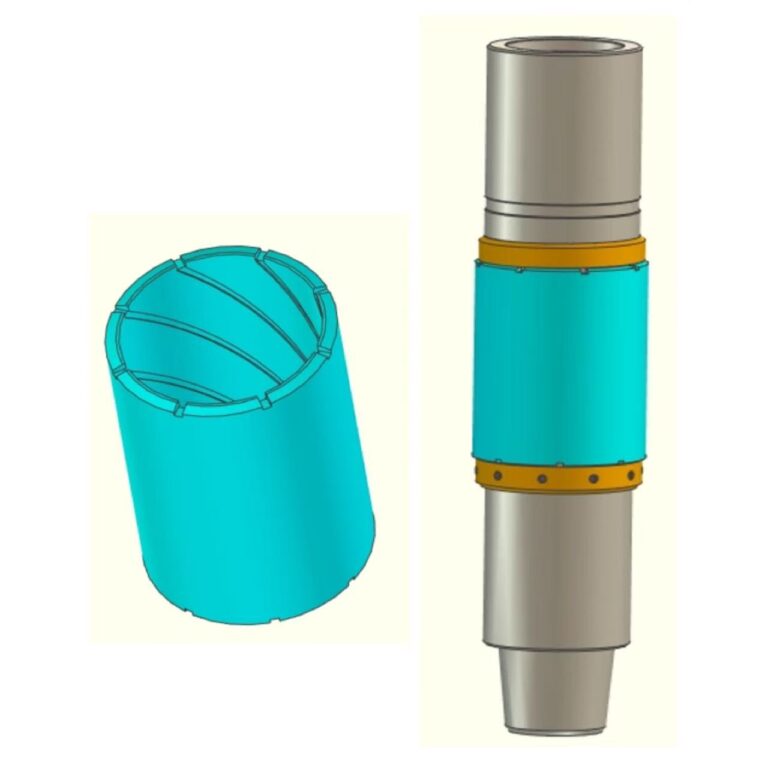
The primary driver for using adjustable stabilizers is the ability to control inclination and azimuth without pulling the drill string. By adjusting the diameter of the stabilizer blades downhole, the contact point between the BHA and the wellbore changes.
- Building Angle: Increasing the blade diameter at specific positions creates a “fulcrum effect,” allowing the bit to tilt upward.
- Dropping or Holding: Reducing the diameter or retracting blades allows for a “pendulum effect” to drop angle or maintain a straight path. This precision ensures that the wellbore stays within the target “pay zone” with minimal correction, reducing the tortuosity of the hole.
2. Maximizing Rate of Penetration (ROP)
Drilling efficiency is often measured by the Rate of Penetration (ROP). A static BHA is a compromise—it is designed for an “average” formation. However, geological formations are rarely uniform.
- Optimization Without Tripping: With an adjustable stabilizer, engineers can fine-tune the BHA’s stiffness and contact points as they transition between different rock types (e.g., from soft shale to hard sandstone).
- Vibration Management: Properly adjusted stabilization reduces lateral vibrations and “whirl,” which are notorious for damaging PDC cutters. By stabilizing the string dynamically, more energy is directed into the rock face rather than being lost to vibration, leading to faster drilling speeds.
3. Enhancement of Wellbore Quality and Smoothness
A smooth wellbore is essential for the long-term health of the well. Excessive “doglegs” or micro-tortuosity can lead to high torque and drag, making it difficult to run casing or liners later in the process.
- Reduced Friction: Adjustable stabilizers ensure the drill string remains centralized, reducing the surface area of the pipe in contact with the wellbore wall.
- Cleaner Hole: By maintaining a consistent gauge, the tool assists in better cuttings transport and prevents the formation of “ledges” that can trap tools or impede fluid circulation.
4. Drastic Reduction in Non-Productive Time (NPT)
The economic impact of adjustable stabilizers cannot be overstated. In deepwater or ultra-deep onshore wells, a single trip can cost hundreds of thousands of dollars.
- Eliminating BHA Changes: Instead of tripping to switch from a “building” assembly to a “holding” assembly, the driller simply sends a command (often via mud pulse or flow cycling) to change the stabilizer’s configuration.
- Extended Bit Life: By stabilizing the bit and reducing impact loads, the bit stays sharp longer, allowing for longer “runs” and fewer trips to replace worn equipment.
5. Technical Actuation: How They Work
Modern adjustable stabilizers utilize two primary methods of activation:
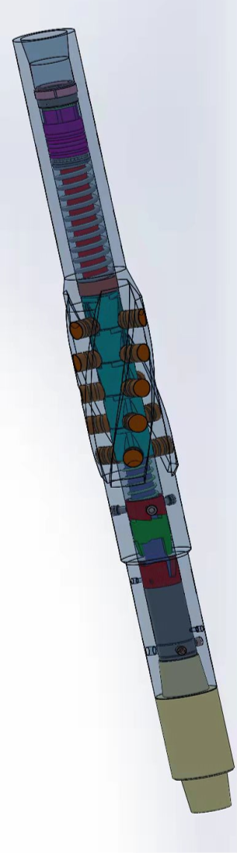
- Hydraulic Actuation: Changes in mud pump flow rates or pressure differentials trigger internal pistons that extend or retract the blades.
- Mechanical/Weight-on-Bit: Cycling the string or applying specific mechanical loads to a mandrel inside the tool to lock blades into different positions. These systems are built with specialized seals and high-strength alloys to withstand the abrasive and corrosive downhole environment of 2026’s most challenging wells.
6. Conclusion
Adjustable stabilizers are no longer a luxury for specialized projects; they are a core component of high-efficiency drilling. By providing the flexibility to adapt to changing downhole conditions in real-time, they ensure maximum ROP, superior wellbore quality, and a significant reduction in overall project costs. Investing in adjustable stabilization technology is the most direct path to achieving “Technical Limit” drilling performance.