


Azimuthal Gamma Measurement Sub: Quadrant Formation Lithology Mapping
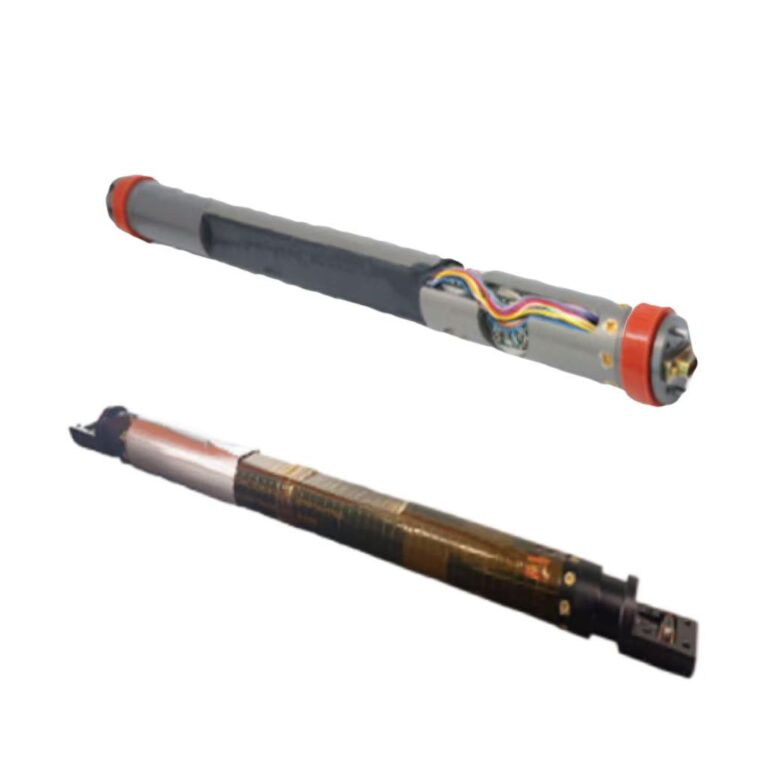
Understanding formation changes around the wellbore is important for directional drilling and geological evaluation. The Azimuthal Gamma Measurement Sub is designed to measure natural gamma radiation from surrounding formations in different circumferential directions, providing directional geological information during drilling.
Unlike conventional gamma-ray measurements that primarily provide an overall response, azimuthal gamma measurements can help identify variations in formation characteristics around the borehole. When integrated with compatible MWD or LWD systems, these measurements support formation evaluation, geological boundary identification, and wellbore placement decisions.
Functional Advantages
Directional Gamma-Ray Measurement Measures natural gamma radiation in different azimuthal sectors around the borehole, helping reveal circumferential variations in formation response.
Formation Lithology Evaluation Provides gamma-ray data that can help distinguish formations with different radioactive mineral content and support lithological interpretation.
Geological Boundary Identification Directional measurement data can help identify formation changes and potential geological boundaries around the wellbore.
MWD/LWD System Integration Designed for integration with compatible downhole measurement systems to support coordinated acquisition and interpretation of drilling and formation data.
Wellbore Placement Support Provides additional geological information that can assist geosteering and well placement decisions when interpreted alongside other formation measurements.
Core Applications
Measurement While Drilling (MWD) Provides directional gamma-ray information during drilling operations through compatible downhole measurement systems.
Logging While Drilling (LWD) Supports formation evaluation by collecting gamma-ray measurements while the drilling assembly advances through the formation.
Formation Lithology Mapping Helps evaluate circumferential variations in natural gamma radiation for improved understanding of formation characteristics.
Geosteering and Well Placement Provides additional geological information to support trajectory adjustments and reservoir navigation when used with other relevant measurements.
How Azimuthal Gamma Measurement Works
Natural gamma radiation originates from radioactive elements present in geological formations. The Azimuthal Gamma Measurement Sub detects this radiation and associates measurements with the circumferential orientation of the tool.
The resulting directional gamma-ray data can be processed into azimuthal sectors or directional formation-response displays. By comparing the measurements with tool orientation, drilling data, and other formation logs, engineers can evaluate changes in lithology and identify potential formation boundaries.
Actual measurement resolution and interpretation depend on detector design, tool orientation accuracy, drilling conditions, formation properties, and the data-processing method.
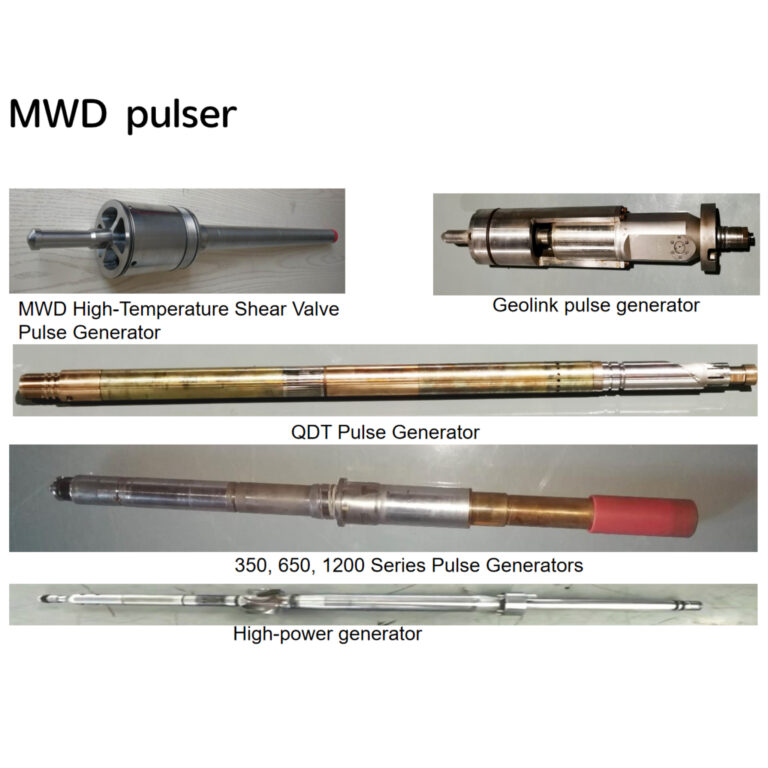
Petrogears supplies MWD-related tools and downhole measurement equipment for oil and gas drilling applications. Sensor configurations, system interfaces, and technical specifications can be discussed according to the customer’s drilling and formation-evaluation requirements.