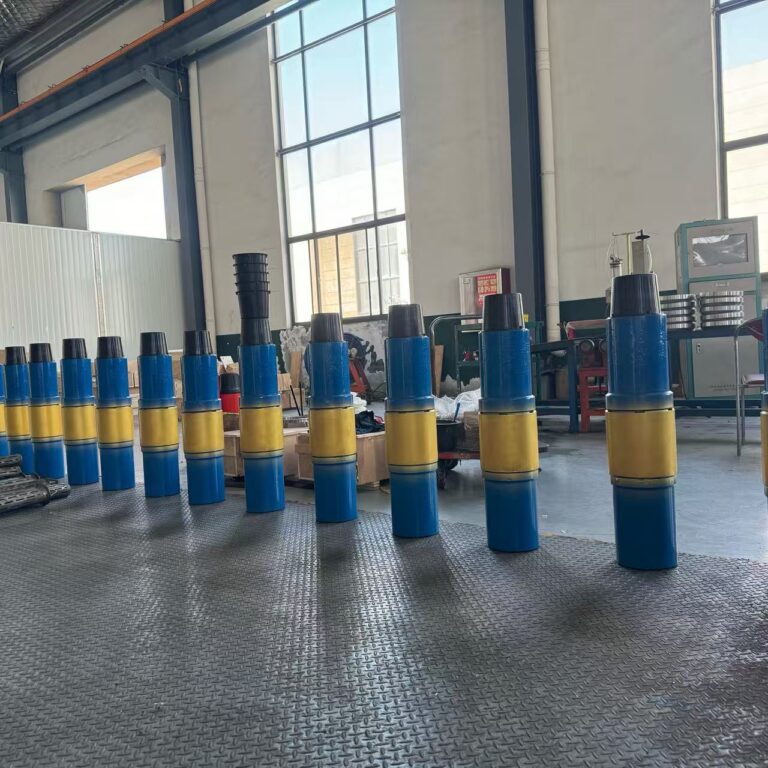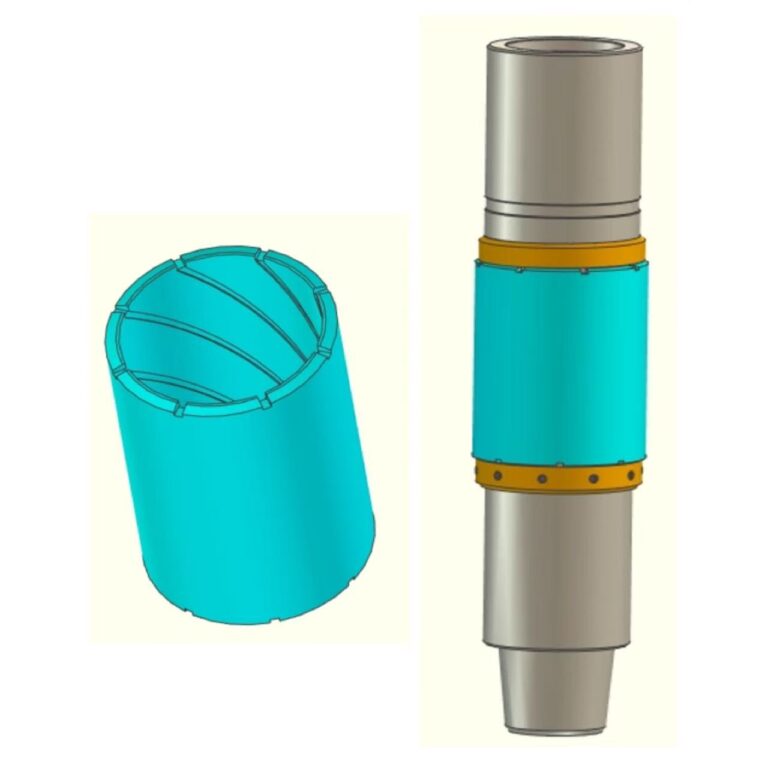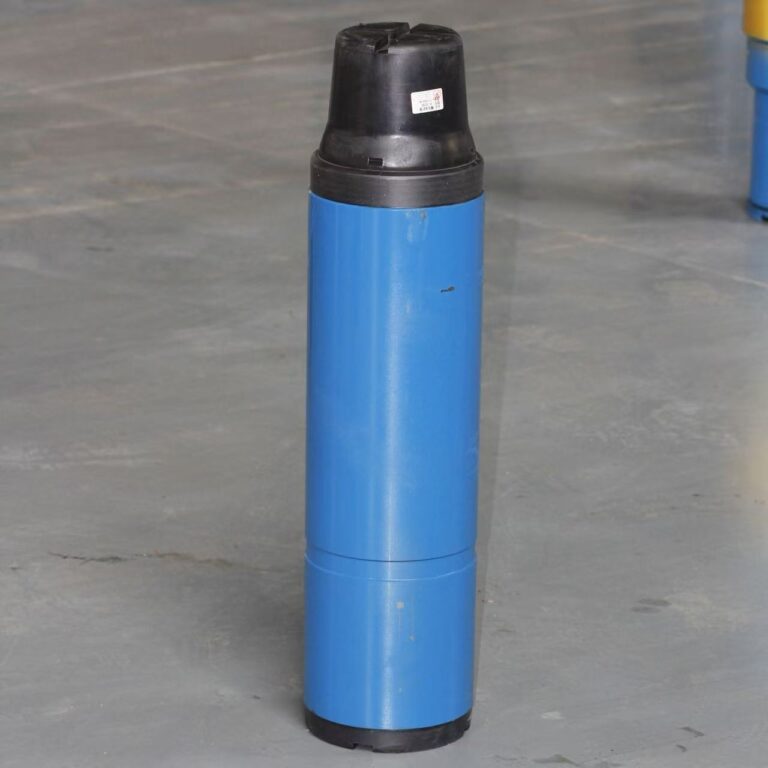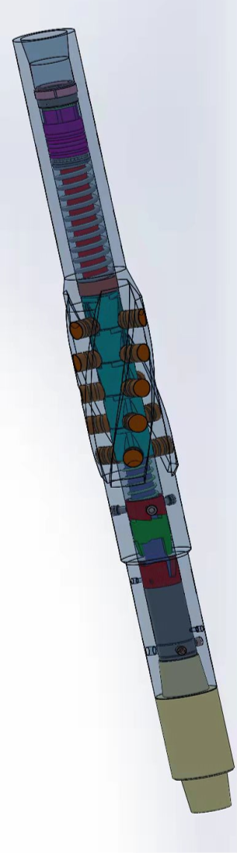



Why Check Valves Are Essential for Well Control Systems: Ensuring Integrity Under Pressure
In the oil and gas industry, “Well Control” is the discipline of maintaining the pressure in the wellbore to prevent the formation fluids from entering the wellbore or escaping to the surface. At the heart of this discipline lies a suite of mechanical barriers, among which the Check Valve stands as one of the most critical and ubiquitous components.
1. The Primary Barrier Against Uncontrolled Flow
A check valve is essentially a one-way street for drilling fluids. In a standard drilling operation, mud is pumped down through the drill string to cool the bit and carry cuttings to the surface. However, the moment the formation pressure exceeds the hydrostatic pressure of the mud column—a condition known as a “kick”—the check valve becomes the primary mechanical barrier.
By automatically closing when reverse flow is detected, check valves prevent high-pressure gas or oil from migrating up the drill string. This immediate containment is vital for preventing internal blowouts, which are often more difficult to manage than surface-level incidents.
2. Managing High-Pressure, High-Temperature (HPHT) Environments
As global energy demand pushes drilling operations into deeper waters and more complex geological formations, the stakes for well control have never been higher. Modern check valves are engineered to perform in HPHT environments where temperatures can exceed 350°F and pressures can top 15,000 PSI.
Essential features for these demanding environments include:
- Metal-to-Metal Sealing: Provides a robust primary seal that does not degrade under extreme heat or chemical exposure.
- Redundant Sealing Systems: Utilizing specialized elastomers as secondary seals to ensure “bubble-tight” integrity at lower pressure differentials.
- High-Strength Alloys: Construction from materials like Inconel or heat-treated 4145H steel to resist hydrogen sulfide ($H_2S$) embrittlement and CO2 corrosion.
3. Enhancing Operational Safety and Equipment Longevity
Beyond emergency blowout prevention, check valves play a daily role in preserving the rig’s infrastructure.
- Protecting Surface Assets: By stopping backflow at the source, check valves shield expensive surface equipment—such as top drives, swivels, and mud pumps—from abrasive formation solids and corrosive fluids that could cause catastrophic mechanical failure.
- Stabilizing Fluid Dynamics: They help maintain a consistent fluid column within the drill string during connections or tripping, reducing the “U-tube” effect and ensuring that pressure sensors provide accurate readings for the drillers.
4. Types of Check Valves in Well Control
Not all check valves are created equal. Depending on the BHA (Bottom Hole Assembly) configuration, engineers may deploy several types:
- Swing Check (Flapper) Valves: Known for providing a clear flow path and being “full-bore” compatible.
- Poppet-Style Valves: Often used in smaller diameter strings or specific MWD (Measurement While Drilling) tools for high-precision sealing.
- Ball Check Valves: Highly durable and simple, ideal for high-solids environments where debris might interfere with more complex mechanisms.
5. Maintenance: The Key to Reliability
A check valve is only as good as its last inspection. In well control, “close enough” is never acceptable. Industry standards now dictate rigorous testing protocols, including:
- Pressure Testing: Regular cycles of high and low-pressure tests to ensure seal integrity.
- Visual and Dimensional Inspection: Checking for erosion patterns caused by high-velocity drilling mud.
- Nondestructive Testing (NDT): Utilizing ultrasonic or magnetic particle inspection to detect sub-surface cracks in the valve body.
6. Conclusion
The check valve may be a small component in the context of a multi-million dollar drilling rig, but its role in well control is foundational. It represents the thin line between a controlled drilling operation and a hazardous blowout. Investing in premium-grade, precision-engineered check valves is not just a best practice—it is a fundamental requirement for any operator committed to safety and operational excellence in 2026.