


Integrated Downhole Protection Strategy: Designing Reliability from Surface to Bit
In modern oil and gas drilling operations, equipment reliability and well control safety are critical factors that directly impact operational efficiency and risk management. Instead of relying on individual tools alone, more operators are adopting an integrated downhole protection strategy that protects the drilling system from the surface equipment down to the drill bit.
This approach combines multiple protection mechanisms to ensure continuous well control, fluid management, and tool reliability throughout the drilling process.
The Need for Integrated Downhole Protection
Drilling environments are increasingly complex, with high pressures, deep wells, and challenging formations. These conditions introduce risks such as:
- Backflow of drilling fluids
- Pressure surges inside the drill string
- Equipment failure under high load
- Loss of measurement signals
Without proper protection, these issues can lead to non-productive time (NPT), equipment damage, or safety incidents.
An integrated protection system ensures that multiple safety barriers are in place.
Key Components of a Downhole Protection System
A comprehensive protection strategy typically includes several critical tools working together.
Internal Blowout Prevention Tools (IBOP)
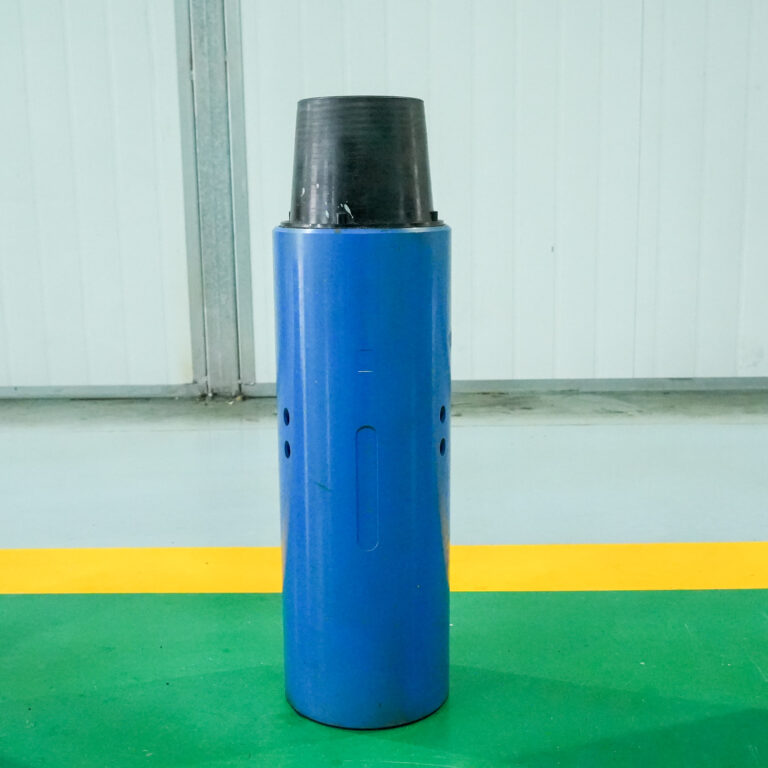
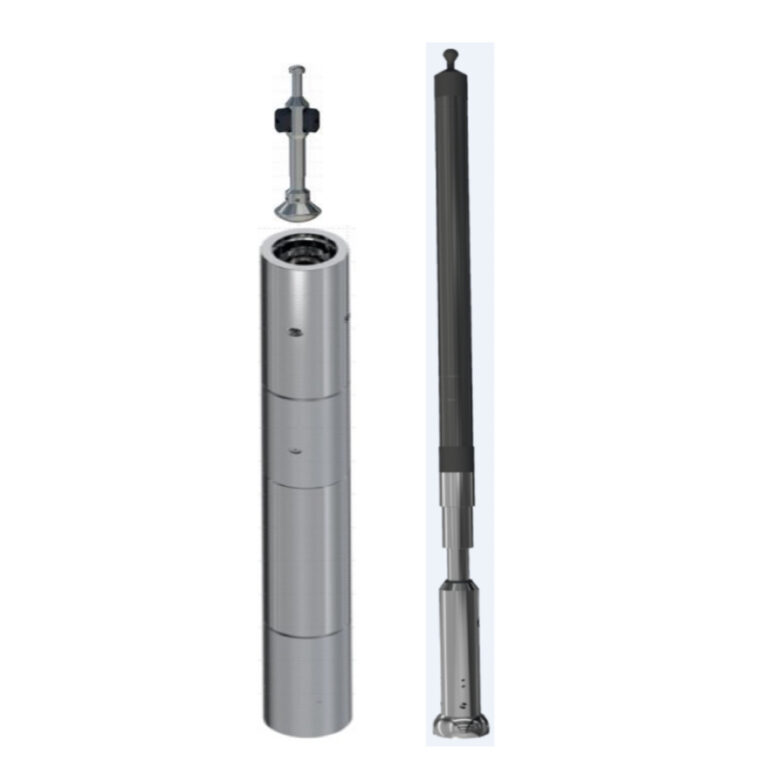
Internal Blowout Prevention Tools provide an immediate barrier against uncontrolled fluid backflow inside the drill string. These tools allow fluid circulation in one direction while preventing reverse flow.
They are especially important during:
- Pipe connections
- Pump shutdowns
- Unexpected pressure kicks
By maintaining control within the drill string, IBOPs significantly enhance operational safety.
Float Subs and Float Valves
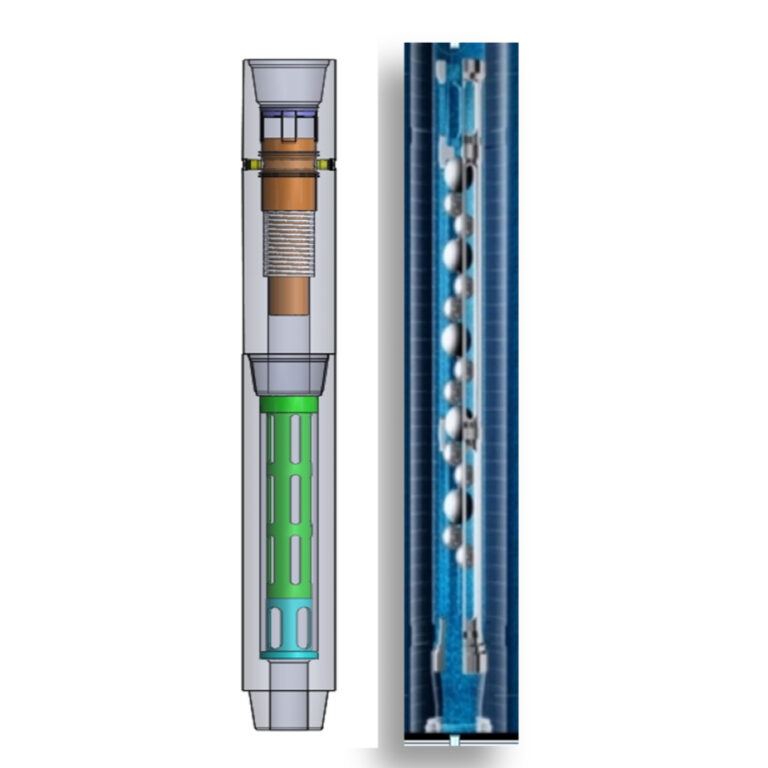
Float subs equipped with float valves help maintain one-way flow control inside the drill string. They prevent backflow of drilling fluid or formation fluids when pumps are stopped.
Key benefits include:
- Maintaining hydrostatic pressure
- Preventing formation fluids from entering the drill pipe
- Improving drilling stability
Measurement and Monitoring Tools
Measurement systems such as MWD tools provide real-time data on downhole conditions, including:
- Pressure
- Temperature
- Directional parameters
These measurements help operators identify abnormal conditions early and adjust drilling parameters accordingly.
System-Level Reliability
The real value of a downhole protection strategy lies in system integration rather than isolated tools.
When protection tools are properly designed to work together:
- Pressure fluctuations can be managed effectively
- Downhole tool life can be extended
- Operational safety margins are increased
The result is a more reliable drilling system from the surface equipment to the drill bit.
Conclusion
As drilling operations become more demanding, the need for reliable downhole protection continues to grow. An integrated approach combining IBOP tools, float valves, and measurement systems provides multiple safety layers that protect both equipment and personnel.
By designing reliability from surface to bit, drilling teams can reduce operational risks and achieve more efficient and safer drilling operations.