


Integrated Downhole Protection Strategy: Designing Reliability from Surface to Bit
Integrated Downhole Protection Strategy: Designing Reliability from Surface to Bit
Modern drilling operations rely heavily on downhole measurement and control systems, including MWD (Measurement While Drilling) and LWD tools. These instruments provide real-time data essential for directional drilling, wellbore positioning, and formation evaluation.
However, downhole environments present extreme challenges:
• High temperature
• High pressure
• Strong vibration and shock loads
• Abrasive drilling fluids containing solids and debris
Without proper system design, these conditions can lead to tool failures, signal loss, and costly operational downtime.
To ensure reliability, drilling engineers increasingly adopt an Integrated Downhole Protection Strategy that protects tools from surface equipment down to the drill bit.
Key Components of an Integrated Protection System
An effective protection strategy combines several specialized tools and design principles within the BHA.
1. Pressure Control and Well Safety
Pressure control is the first line of protection in any drilling system.
Key components include:
IBOP (Inside Blowout Preventer)
Installed in the drill string to prevent backflow of drilling fluids or formation fluids to the surface.
Top Drive Safety Valves and Hydraulic Cocks
Provide additional control during drilling and pipe handling operations.
These tools ensure well control and operational safety during drilling operations.
2. Filtration Systems to Protect Sensitive Equipment
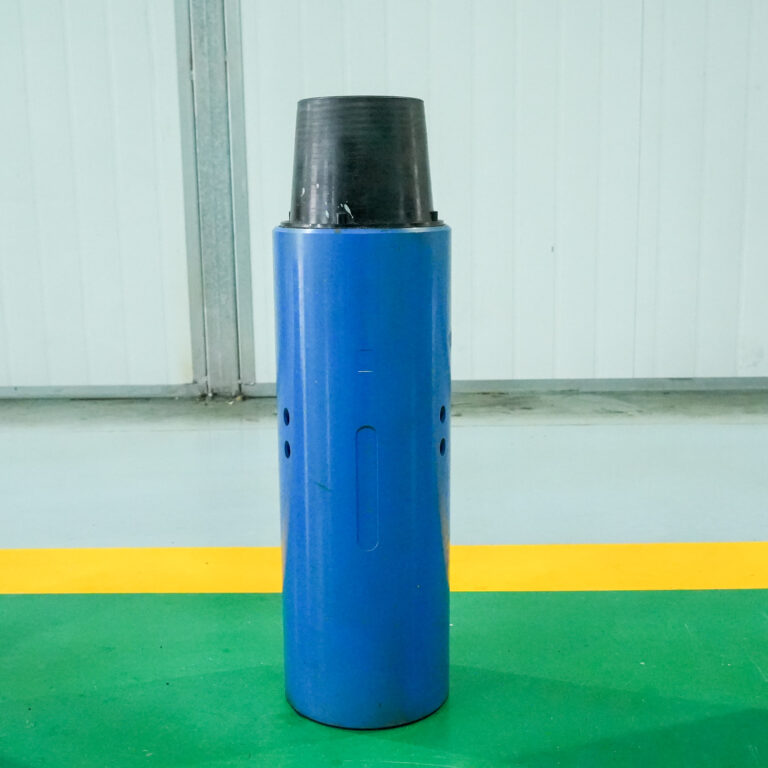
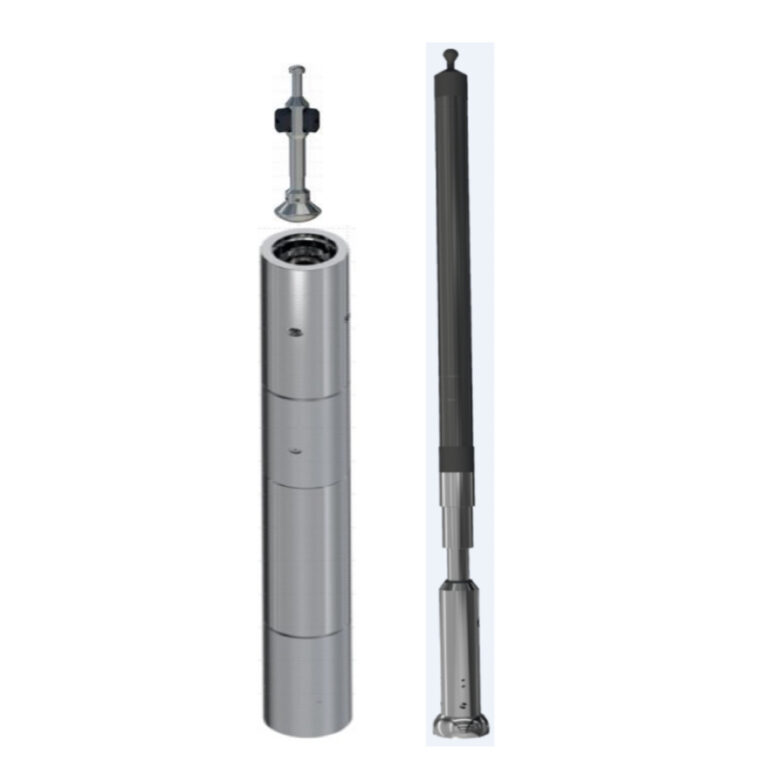
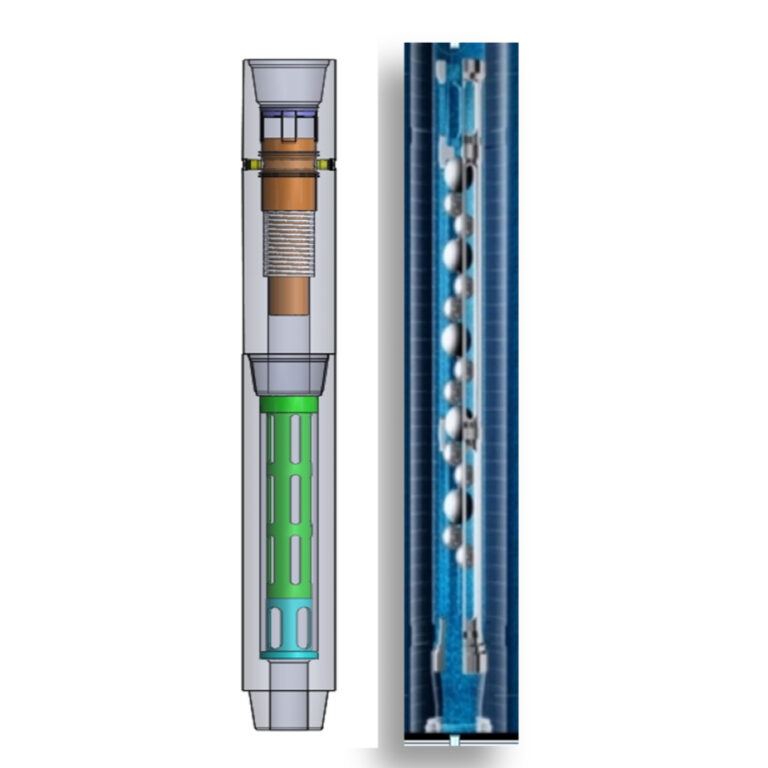
Drilling fluids often carry rock cuttings, metal debris, and solids that can damage sensitive components inside downhole tools.
Filtration solutions such as:
• Filter Sub
• Drill Pipe Filters
help remove debris before drilling fluids enter MWD pulse generators, pressure sensors, and electronic modules.
Proper filtration significantly improves:
✔ MWD signal stability
✔ Tool reliability
✔ Component lifespan
3. Mechanical Stabilization of the BHA
Downhole tools are constantly exposed to torsional vibration, lateral vibration, and impact loads.
Without stabilization, these forces can cause:
• Sensor damage
• Measurement errors
• Accelerated mechanical wear
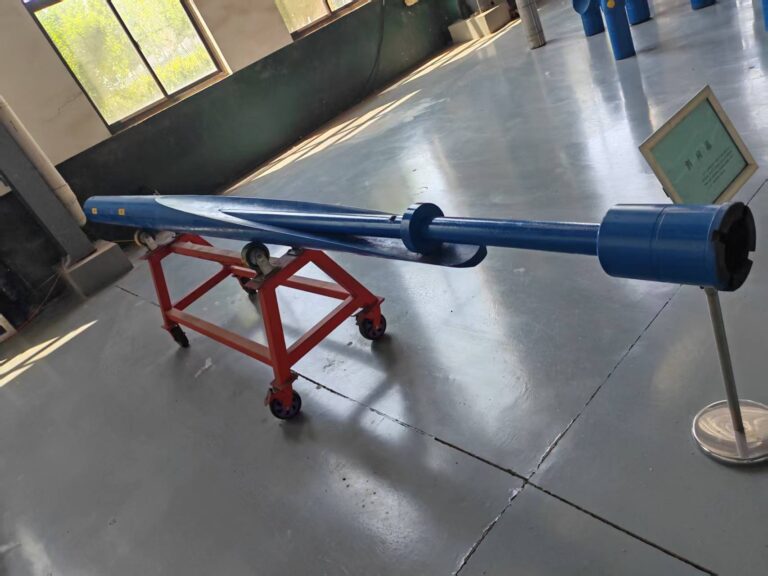
Adjustable Stabilizers and Blade Stabilizers are commonly used to:
• Maintain proper BHA alignment
• Reduce vibration
• Improve directional control
Stabilization is essential for consistent measurement accuracy and drilling efficiency.
4. Measurement and Monitoring Systems
At the core of the drilling system are MWD and LWD measurement tools, which provide real-time information such as:
• Inclination
• Azimuth
• Toolface orientation
• Downhole pressure and temperature
These tools transmit data to the surface using mud pulse telemetry systems, allowing drilling teams to make real-time decisions.
Protecting these systems is critical for maintaining accurate drilling guidance.
System-Level Reliability
An effective downhole protection strategy does not rely on a single component. Instead, it integrates multiple technologies across the entire drilling system.
From surface pressure control tools to filtration systems, stabilizers, and measurement instruments, each component plays a role in ensuring reliable drilling performance.
When properly designed, an integrated system delivers:
✔ Improved drilling efficiency
✔ Reduced tool failure rates
✔ Longer service life for downhole equipment
✔ Safer drilling operations
Conclusion
As drilling operations move toward deeper wells, higher temperatures, and more complex trajectories, the need for integrated protection systems continues to grow.
By combining pressure control, filtration, stabilization, and intelligent measurement technologies, drilling engineers can ensure reliable performance from surface equipment all the way to the drill bit.
An integrated approach to downhole protection is no longer optional—it is essential for modern drilling operations.