


The Evolution of Drill String Float Valves: Automatic vs. Manual Protection
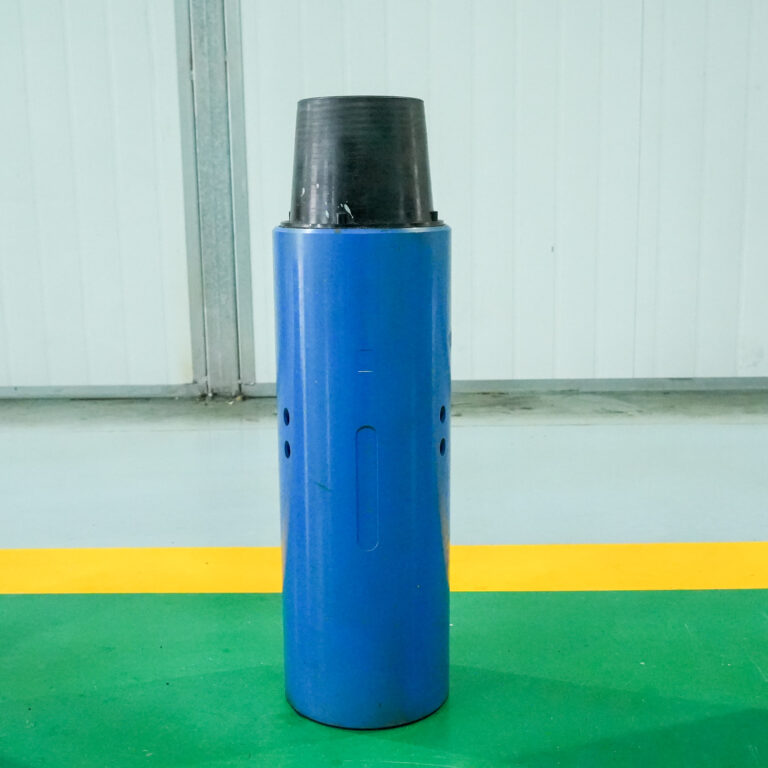
In well control, the drill string float valve is the “last line of defense” inside the BHA. It serves as a one-way check valve, allowing mud to be pumped down to the bit while preventing formation fluids or gas from entering the drill string. As drilling environments become more complex, understanding the trade-offs between Automatic and Manual float valves is essential for maximizing rig safety.
1. Automatic Float Valves: The Industry Standard
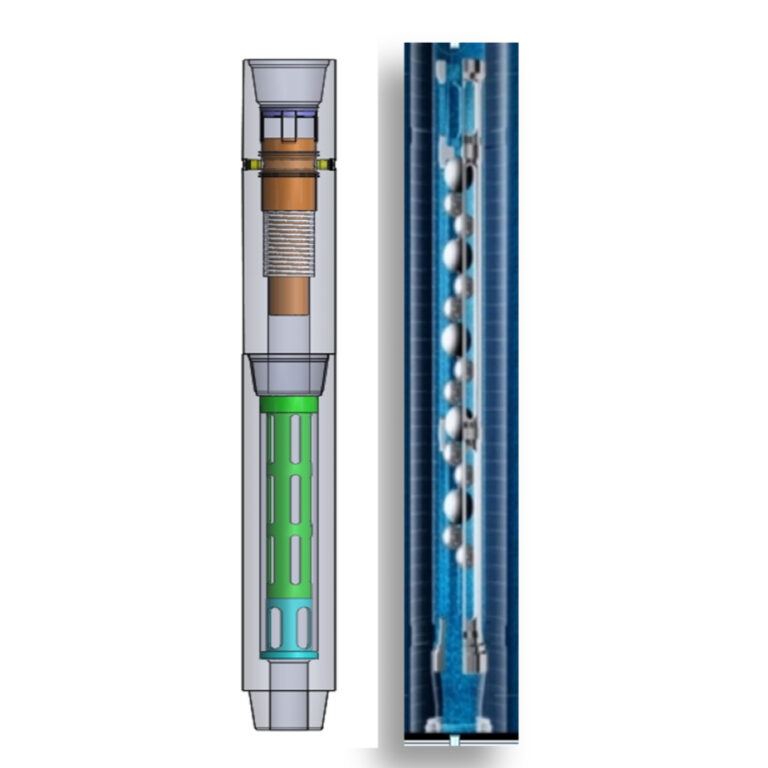
Automatic float valves (often spring-loaded) are designed to close immediately whenever the downward flow of mud ceases.
- Operational Logic: The valve remains open as long as there is positive pressure from the surface. The moment the pumps are turned off or a back-flow event begins, the internal spring forces the valve shut.
- Advantages: Because they are self-activating, they provide “instantaneous” protection without requiring any intervention from the rig crew, which is crucial in high-risk zones where gas kicks can occur in seconds.
2. Manual Float Valves: Precision and Control
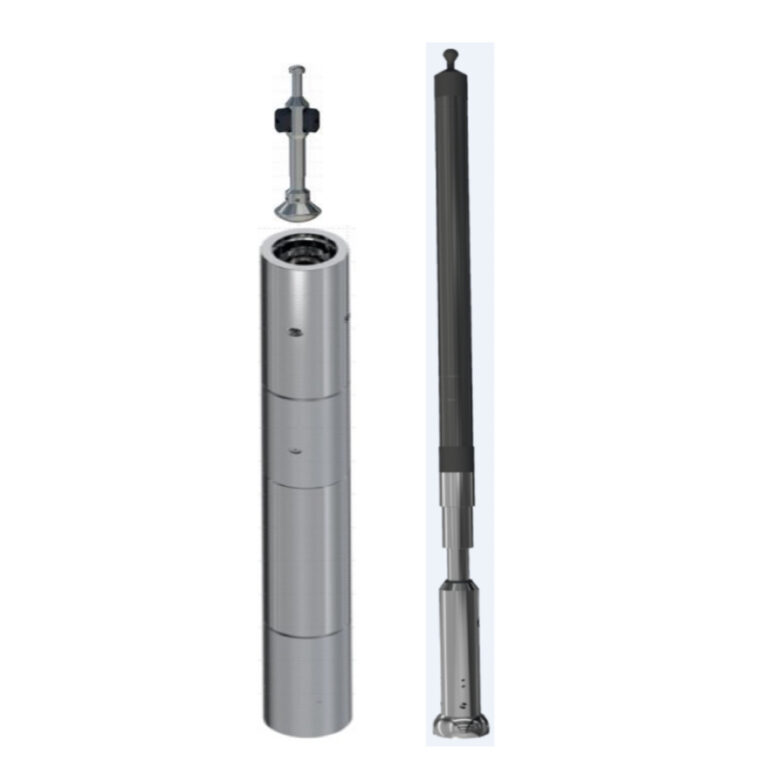
Manual (or “flapper-style” or “latch-on”) float valves typically require a mechanical trigger to close.
- Operational Logic: These valves often require a specific surface action (like a wireline drop or specific pressure cycle) to transition to a closed or locked state.
- Advantages: They are often preferred in situations where “full-bore” access is required for logging tools or wireline deployment. Once the valve is latched open, it provides a perfectly clear path through the drill string, which is not always possible with spring-loaded automatic valves.
3. Comparative Selection
| Feature | Automatic (Spring-Loaded) | Manual/Latch-On |
| Response Time | Instantaneous (Automatic) | Delayed (Requires Trigger) |
| Well Control | Superior for kick detection | Specialized for specific operations |
| Flow Restriction | Minor (due to spring/seat) | Full-bore (when latched open) |
| Reliability | High (Field-proven) | High (Requires correct operation) |
4. Conclusion
The evolution of float valves has shifted heavily toward automatic systems due to the increased safety requirements of modern HPHT and deep-water drilling. However, manual valves continue to play a vital role where full-bore access is paramount. By matching the valve type to your well control philosophy, you can ensure that your rig is prepared for any downhole contingency.