


The Role of FDF Bypass Valves in Pressure Management: Optimizing Downhole Hydraulics
In modern drilling engineering, managing the delicate balance of wellbore pressure is paramount to preventing formation damage and maintaining well control. One of the most effective tools for this task is the FDF (Float Differential Fill) Bypass Valve. By allowing controlled fluid movement between the drill string and the annulus, the FDF Bypass Valve addresses the mechanical challenges of “surge” and “swab” pressures during tripping operations.
1. Understanding the Pressure Challenge: Surge and Swab
When a drill string or casing is moved into or out of a hole filled with fluid, it acts like a piston in a cylinder.
- Surge Pressure: Moving the string downward creates a pressure spike (surge) that can exceed the formation’s fracture gradient, leading to lost circulation.
- Swab Pressure: Pulling the string upward creates a pressure drop (swab) that may fall below the formation pore pressure, potentially triggering a kick.
The FDF Bypass Valve is specifically engineered to mitigate these risks by providing a “bypass” route for the drilling fluid.
2. The Mechanics of Float Differential Fill (FDF)
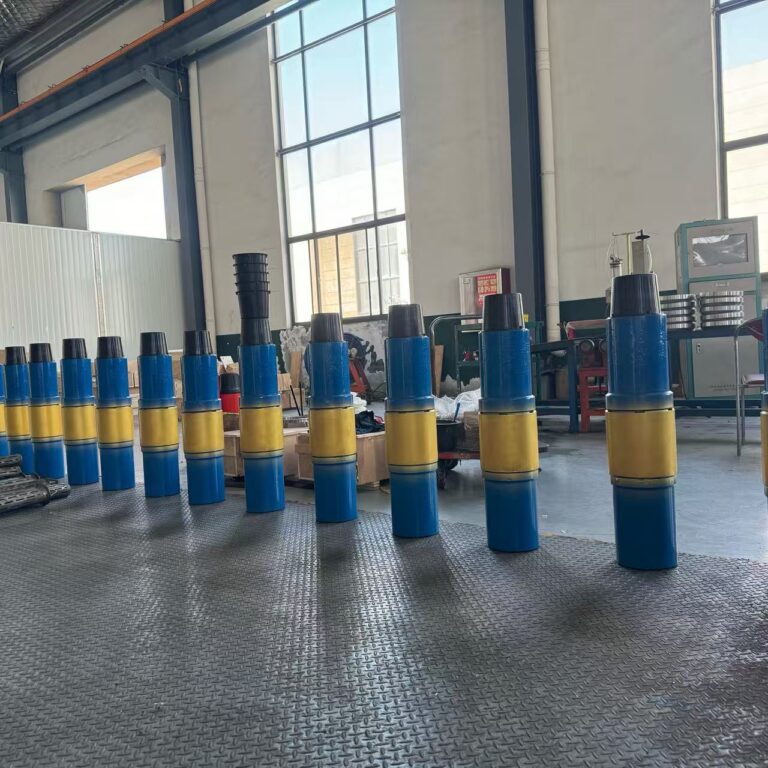
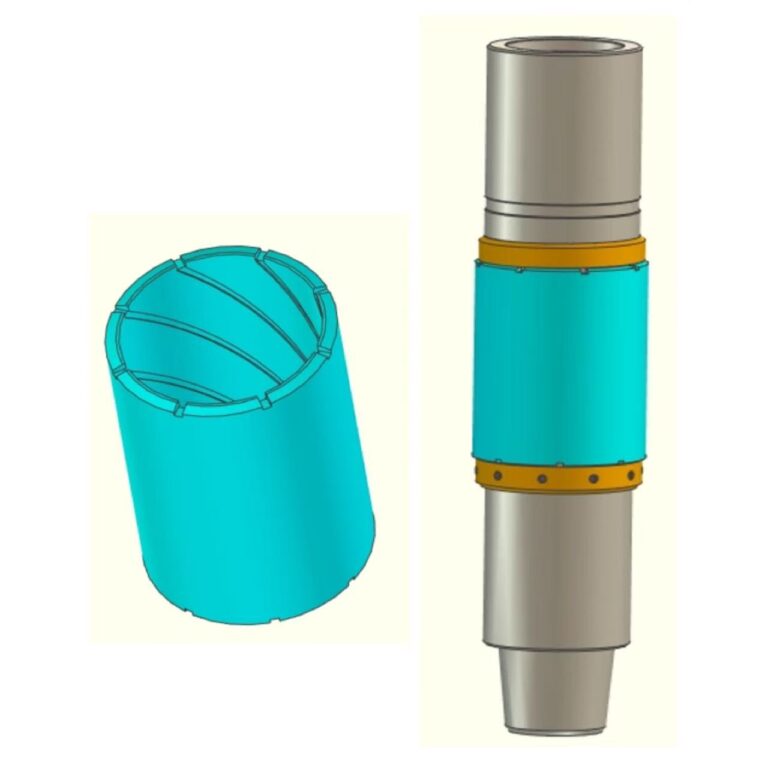
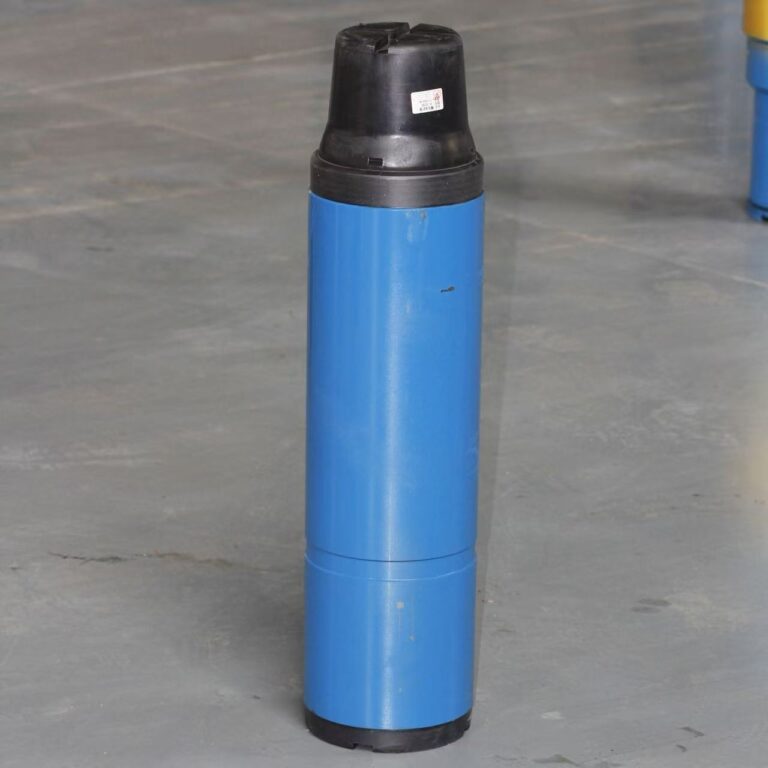
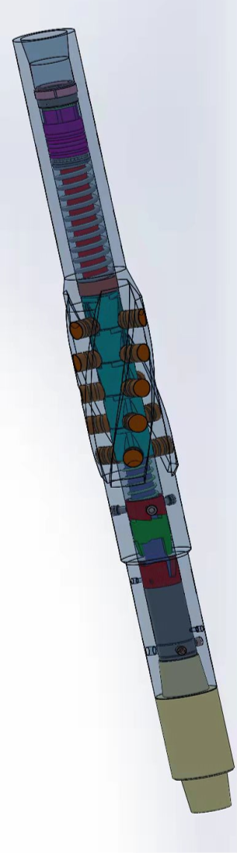
The FDF Bypass Valve is a specialized float valve that incorporates a “lock-open” or “differential fill” feature. Unlike a standard check valve that remains closed to upward flow at all times, the FDF valve is designed to stay open during the initial stages of tripping in.
- Auto-Fill Functionality: As the string is lowered, fluid from the annulus enters the string through the bypass. This ensures the string stays full of mud without requiring constant manual filling from the surface.
- Pressure Equalization: By allowing fluid to move into the string, the valve significantly reduces the “piston effect,” lowering the surge pressure exerted on the formation.
3. Transitioning to Well Control Mode
A critical feature of the FDF Bypass Valve is its ability to convert back into a standard one-way check valve when needed. This is typically achieved through a “release” mechanism triggered by a specific flow rate or by dropping a ball.
- Circulation Activation: Once the string reaches the desired depth, increasing the mud pump flow rate creates enough differential pressure to release the lock-open mechanism, allowing the valve to function as a traditional backflow preventer.
- Safety Redundancy: This ensures that while the valve helps manage pressure during tripping, it remains a reliable barrier for well control during active drilling.
4. Protecting Sensitive Formations and Reducing NPT
In depleted reservoirs or unconventional plays with narrow pressure windows, the FDF Bypass Valve is indispensable.
- Minimizing Formation Damage: By keeping surge pressures within safe limits, the valve prevents fluids from being forced into the formation, preserving the well’s productivity.
- Improving Tripping Speed: Because the valve manages the pressure spikes, operators can trip in and out faster without the risk of breaking down the formation, directly reducing Non-Productive Time (NPT).
5. Engineering and Material Integrity
Given the high-velocity flow and abrasive nature of drilling mud, FDF Bypass Valves must be built to last. Our valves utilize:
- High-Strength Alloy Steel: For the valve body to withstand torsional and tensile stresses.
- Erosion-Resistant Internals: Tungsten Carbide or specialized hard-facing on the flapper and seat to ensure long-term sealing integrity after the bypass is deactivated.
6. Conclusion
The FDF Bypass Valve is more than a simple float; it is a sophisticated pressure-management tool. By automating the filling process and smoothing out pressure fluctuations, it protects the wellbore’s structural integrity and enhances the overall safety of the drilling operation. For 2026 drilling projects, the integration of high-quality FDF valves is a prerequisite for successful high-spec well construction.