


How Flapper Valves Protect Your Well from Backflow Risks: A Deep Dive into Safety
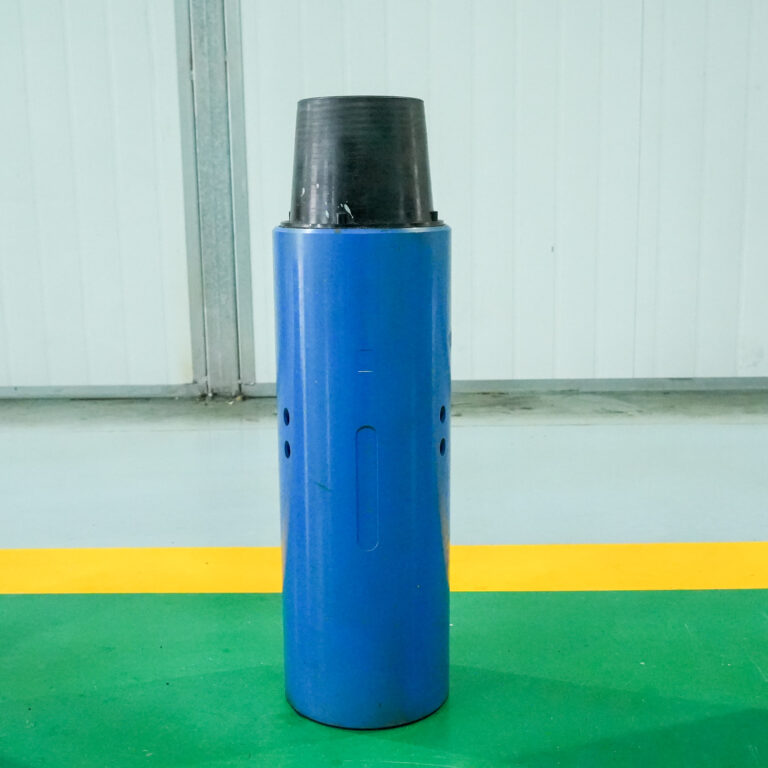
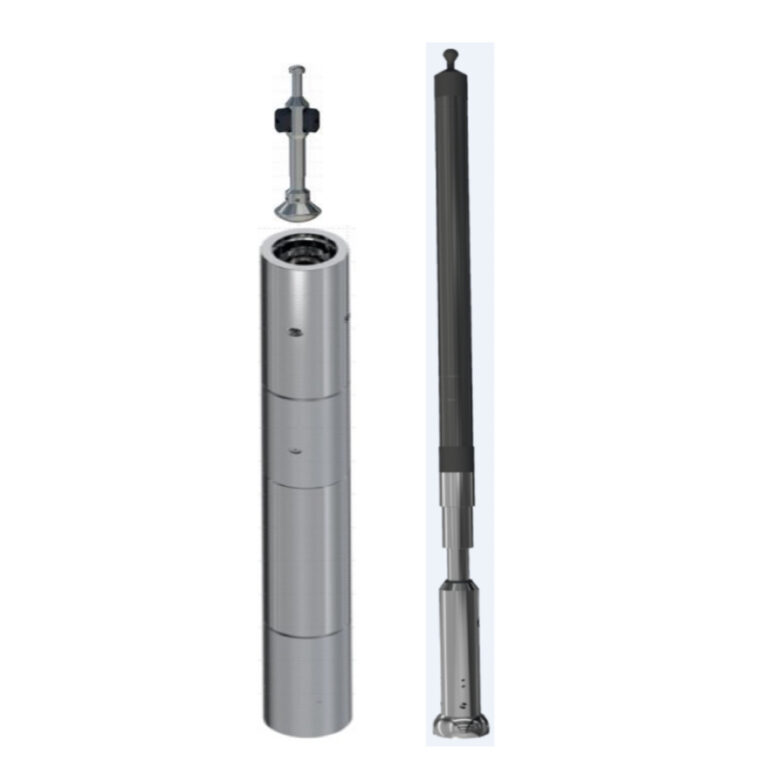
In the complex architecture of a Bottom Hole Assembly (BHA), the Flapper Valve (a specialized type of swing check valve) serves as one of the most critical mechanical safeguards. As drilling reaches greater depths and encounters increasingly volatile formations, the risk of “backflow”—the uncontrolled upward movement of formation fluids—becomes a significant threat to both equipment and crew safety.
1. The Mechanics of One-Way Protection
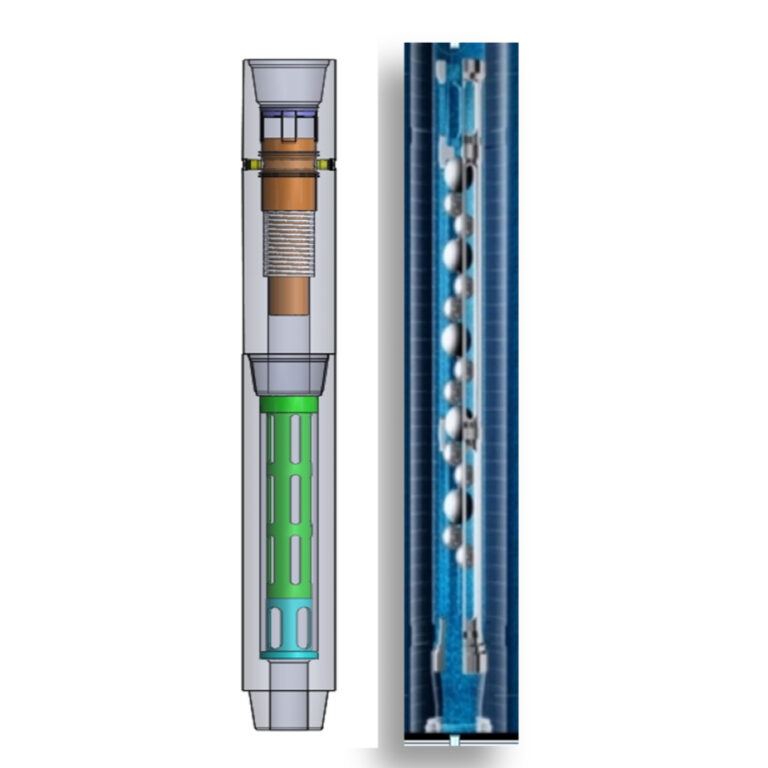
The fundamental design of a Flapper Valve is elegantly simple yet highly effective. It features a spring-loaded “flap” or disc that hinges on a pivot point.
- Downward Flow: When drilling mud is pumped from the surface, the pressure forces the flapper to open fully, allowing for an unobstructed flow of fluid to the drill bit.
- Instant Sealing: The moment the downward pump pressure drops below the formation pressure (or during a kick), the combination of spring tension and the reverse fluid force snaps the flapper shut against its seat.
This creates an immediate, high-integrity seal that prevents gas, oil, or brine from entering the drill string and migrating toward the surface.
2. Why Flapper Valves Over Other Designs?
While Arrow Valves (drop-in) and Ball Valves have their place, Flapper Valves offer distinct advantages in specific drilling scenarios:
- Full-Bore Access: Many flapper designs allow for a “full-bore” opening when locked in the open position, which is essential if operators need to run wireline tools or other instruments through the valve without obstruction.
- Reduced Erosion: Because the flapper swings out of the primary flow path when open, it suffers significantly less erosion from abrasive drilling mud compared to ball-type valves, leading to a longer operational life.
- Low Pressure Differential Sealing: Modern flapper valves are engineered to seal even under low-pressure differentials, ensuring protection starts the second backflow begins.
3. Critical Applications in Well Control
The deployment of Flapper Valves is particularly vital in High-Pressure, High-Temperature (HPHT) wells and Managed Pressure Drilling (MPD).
- Kick Mitigation: During a kick, the Flapper Valve acts as an automatic internal blowout preventer (IBOP). It buys the crew precious time to stabilize the well and implement secondary control measures.
- Uphole Protection: By containing formation pressure deep within the well, the valve prevents high-pressure surges from reaching the top drive, swivel, and surface hoses, which are often the most vulnerable parts of the rig.
4. Materials and Engineering for 2026 Standards
In 2026, the industry demands more than just basic functionality. Our Flapper Valves are constructed from premium Nickel-Alloy or Heat-Treated Chrome Steel to combat the corrosive effects of $H_2S$ and $CO_2$. The seating surfaces are often enhanced with Tungsten Carbide inserts or specialized elastomers to ensure a bubble-tight seal even after hundreds of hours of circulation.
5. Conclusion: An Essential Investment in Safety
Choosing the right Flapper Valve is not just about meeting regulatory requirements; it’s about risk management. A high-quality valve reduces Non-Productive Time (NPT) by preventing tool damage and ensures that in the event of an emergency, your primary defense is robust and reliable.