


How to Choose the Right Drill String Float Valve for MWD and LWD Operations
In drilling operations, float valves are often underestimated—but critically important.
They play a key role in:
- Preventing backflow
- Maintaining well control
- Protecting sensitive tools like MWD/LWD
A poorly selected float valve can result in:
- Tool contamination
- Pressure instability
- Increased operational risk
This guide explains how to select the right float valve for your drilling conditions.
1. What Is a Float Valve?
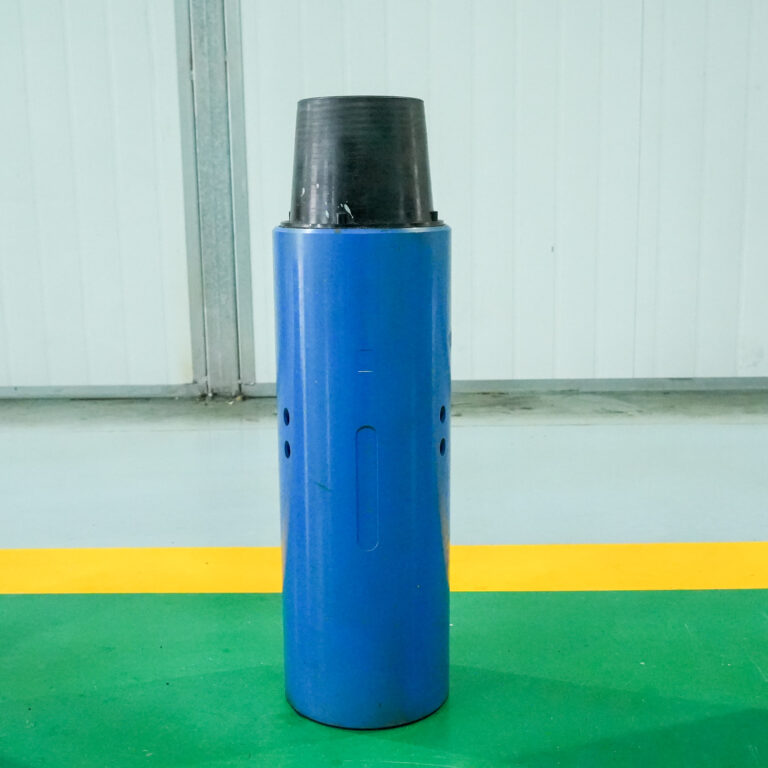
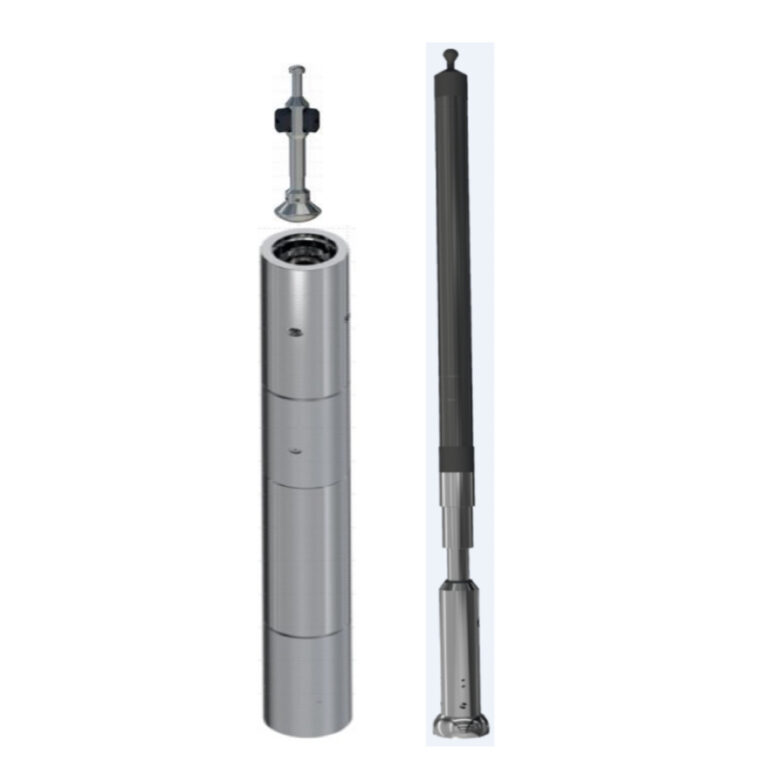
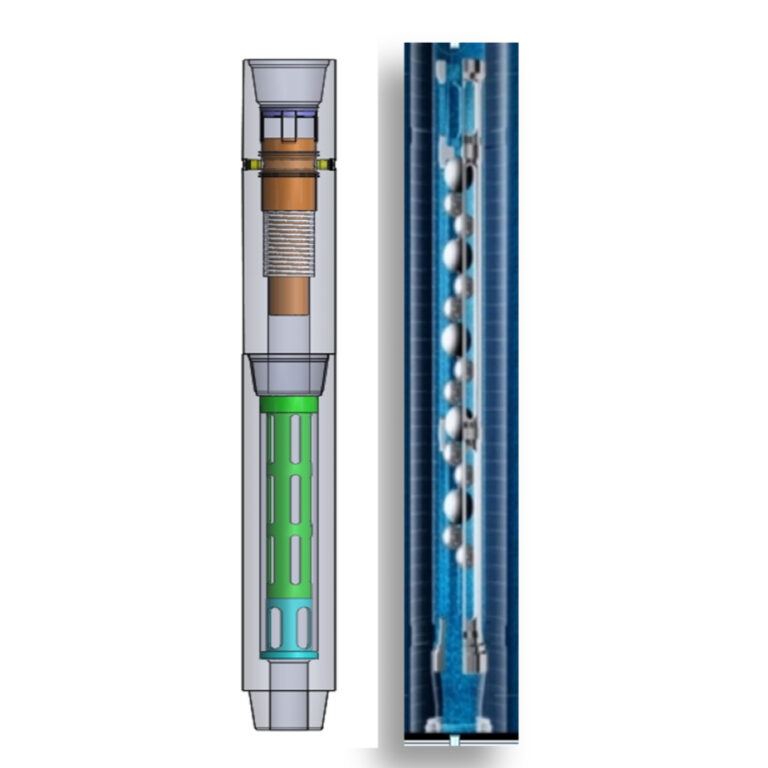
A Float Valve is a one-way valve installed in the drill string (usually inside a Float Sub) that allows fluid to flow downward but prevents reverse flow.
2. Why Float Valves Matter for MWD/LWD
Float valves directly impact:
✔ Tool Protection
Prevents cuttings and debris from flowing back into MWD tools.
✔ Pressure Stability
Maintains consistent downhole pressure during connections.
✔ Blowout Prevention Support
Acts as an internal barrier in the drill string.
3. Main Types of Float Valves
🔹 Flapper Type Float Valve
Structure:
- Hinged flapper plate
Advantages:
- Simple design
- Reliable sealing
- Widely used
Limitations:
- More prone to wear in abrasive environments
🔹 Spring Type (Poppet) Float Valve
Structure:
- Spring-loaded valve
Advantages:
- Better sealing performance
- More responsive closing
- Suitable for high-pressure conditions
Limitations:
- More complex structure
🔹 Dual Valve Systems
- Combination of flapper + spring valve
- Provides redundancy and enhanced safety
👉 Common in high-risk or offshore operations
4. Ported vs Non-Ported Float Valves
Non-Ported Float Valve
- No bypass flow
- Maximum sealing capability
Best for:
- Strict well control requirements
- High-pressure wells
Ported Float Valve
- Includes bypass holes
Advantages:
- Allows slow pressure equalization
- Reduces surge/swab effects
Best for:
- Sensitive formations
- Situations requiring controlled pressure balancing
5. Selection Guide
① Well Conditions
- High pressure → Spring type or dual valve
- Standard conditions → Flapper type
② Drilling Fluid
- High solids / abrasive mud → Stronger materials required
- Clean mud → Standard configuration acceptable
③ MWD/LWD Sensitivity
- High-value tools → Dual valve recommended
- Standard tools → Single valve sufficient
④ Operational Risk Level
- Offshore / HPHT → High-spec valves
- Land / shallow wells → Cost-effective options
6. Best Practice: Combined Tool Design
Float valves should be integrated with:
- Filter Sub → Prevent debris reaching valve
- Proper BHA design → Reduce vibration and wear
- Regular inspection & maintenance
👉 This ensures long-term reliability and tool protection
7. Field Insight
Common failure causes include:
- Debris blocking valve sealing
- Erosion of sealing surfaces
- Incorrect valve type selection
Operators using proper valve configurations have achieved:
- Improved MWD reliability
- Reduced backflow incidents
- Lower maintenance frequency
Conclusion
A float valve is not just a simple component—it is a critical safety and performance element.
- Flapper → Simple and reliable
- Spring → High-performance sealing
- Dual valve → Maximum protection
Correct selection ensures:
✔ Well control
✔ Tool protection
✔ Operational efficiency