


Why Hydraulic Shock Absorbers Protect Your Downhole Tools: The Suspension System of the Drill String
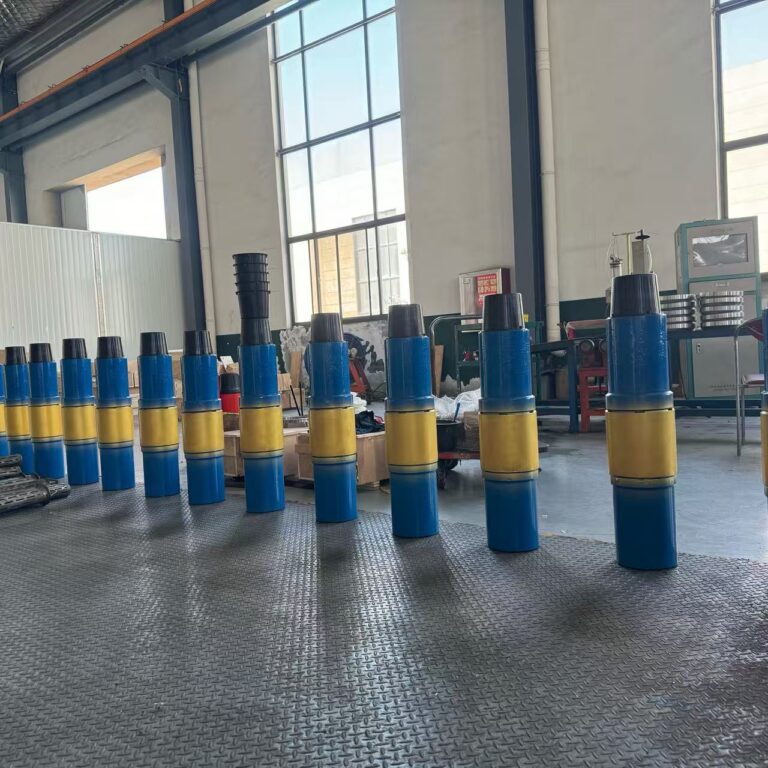
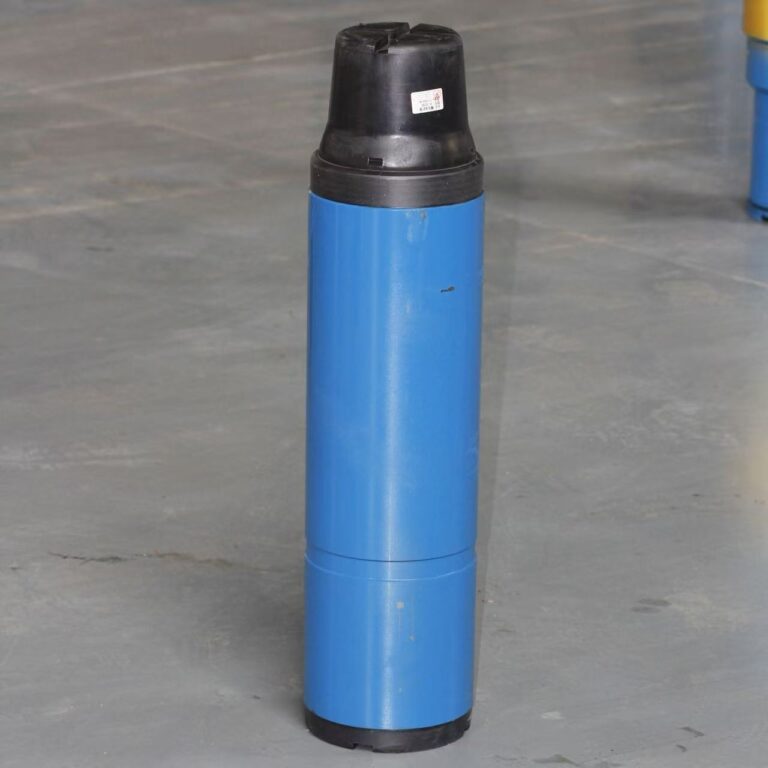
In the high-energy environment of a modern drilling operation, the drill string is subjected to a constant barrage of mechanical stresses. Among these, axial vibration—often manifested as “bit bounce”—is one of the most destructive forces. Without a mechanism to dampen these impacts, the energy travels directly up the Bottom Hole Assembly (BHA), leading to catastrophic failures of expensive components. The Hydraulic Shock Absorber, or shock sub, acts as the primary suspension system, providing a critical buffer between the bit and the rest of the drill string.
1. Damping the “Bit Bounce” Phenomenon
When drilling through hard or interbedded formations, the drill bit does not always maintain smooth contact with the rock face. It can bounce, creating high-frequency axial shocks.
- The Risk: These shocks create impact loads that can exceed the yield strength of steel components and shatter the delicate PDC (Polycrystalline Diamond Compact) cutters on the bit.
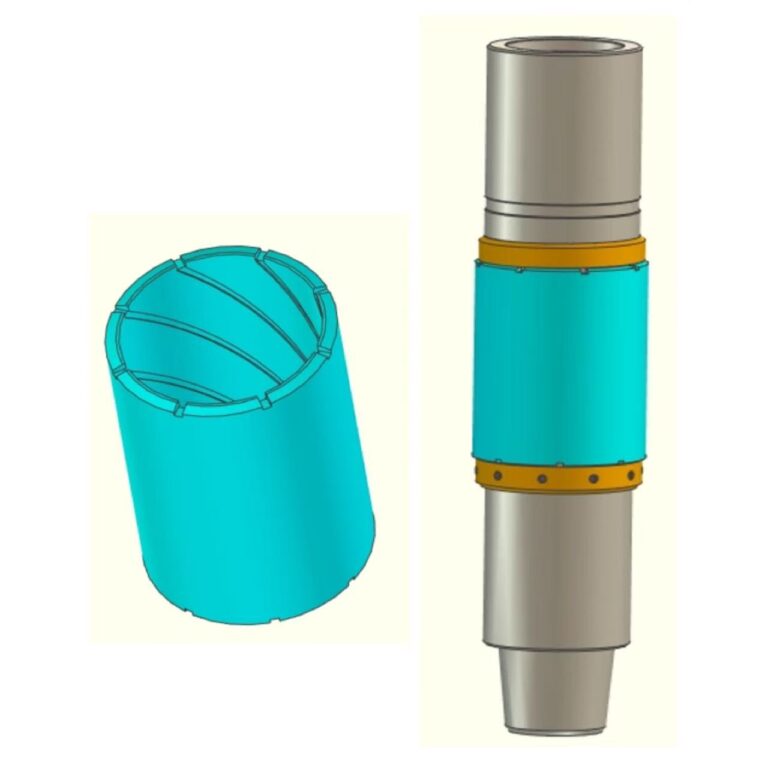
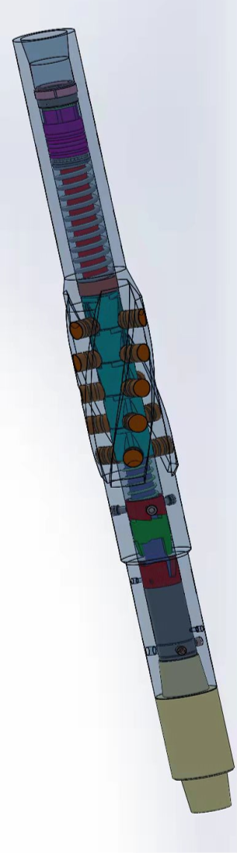
- The Hydraulic Solution: A hydraulic shock absorber utilizes a telescopic mandrel and a fluid-filled chamber (or a combination of springs and oil) to absorb this kinetic energy. By converting the impact into hydraulic displacement, the tool prevents the shock from propagating further up the string.
2. Protecting High-Value MWD and LWD Electronics
Modern drilling relies on Measurement-While-Drilling (MWD) and Logging-While-Drilling (LWD) tools to provide real-time data. These tools contain highly sensitive electronic sensors, batteries, and delicate connections.
- Electronic Fatigue: Continuous vibration is the leading cause of MWD/LWD “blackouts” or sensor drift. High G-loads can cause solder joints to fail or internal components to dislodge.
- Strategic Placement: By placing a hydraulic shock absorber above the bit and below the MWD suite, operators create a “safe zone.” The damping effect reduces the G-forces experienced by the electronics by as much as 50-70%, drastically increasing the Mean Time Between Failures (MTBF).
3. Extending the Life of the Drill Bit
The drill bit is the “front line” of the operation. PDC bits, while extremely hard, are brittle and sensitive to impact.
- Cutter Chipping: Axial vibration causes the cutters to slam into the formation, leading to “chipped” or “spalled” cutters. Once the integrity of a few cutters is compromised, the ROP drops, and the heat generated can lead to total bit failure.
- Consistent WOB: A shock absorber ensures a more consistent Weight-on-Bit (WOB). By smoothing out the load, the cutters maintain steady engagement with the rock, ensuring even wear and allowing the bit to stay in the hole for longer runs.
4. Mitigating Drill String Fatigue and Connection Failure
Vibrations don’t just damage tools; they fatigue the metal itself. Every vibration cycle contributes to the accumulated stress on drill pipe connections and BHA components.
- Thread Damage: High-frequency vibrations can cause “fretting” in the threaded connections, leading to washouts or twist-offs.
- Structural Integrity: By reducing the overall harmonic energy in the drill string, shock absorbers minimize the risk of mechanical fatigue, ensuring the structural integrity of the entire string throughout the drilling process.
5. Engineering Standards for 2026
In 2026, hydraulic shock absorbers are engineered to operate in the most hostile environments.
- HPHT Compatibility: Specialized seals and high-viscosity hydraulic fluids ensure the tool maintains damping performance even at temperatures exceeding 175°C and high hydrostatic pressures.
- Variable Damping: Advanced shock subs are now “tuned” to specific formation types, allowing for optimized damping coefficients based on whether the operator is drilling through hard granite or shifting salts.
6. Conclusion
The inclusion of a hydraulic shock absorber in the BHA is not an unnecessary expense; it is a vital insurance policy. By protecting the bit, preserving the integrity of MWD/LWD systems, and reducing mechanical fatigue, these tools significantly lower the total cost of the well by preventing unplanned trips and equipment replacements. In high-cost environments like deepwater or horizontal shale plays, a shock absorber is an essential component for any team targeting operational excellence.