


Why Integral Blade Stabilizers Are Key to Wellbore Stability: The Monolithic Advantage
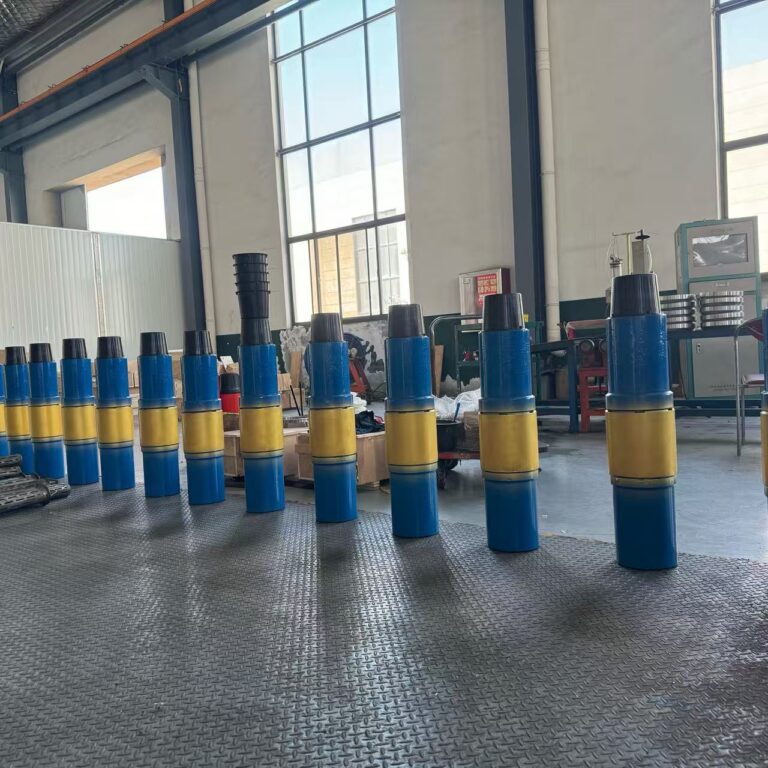
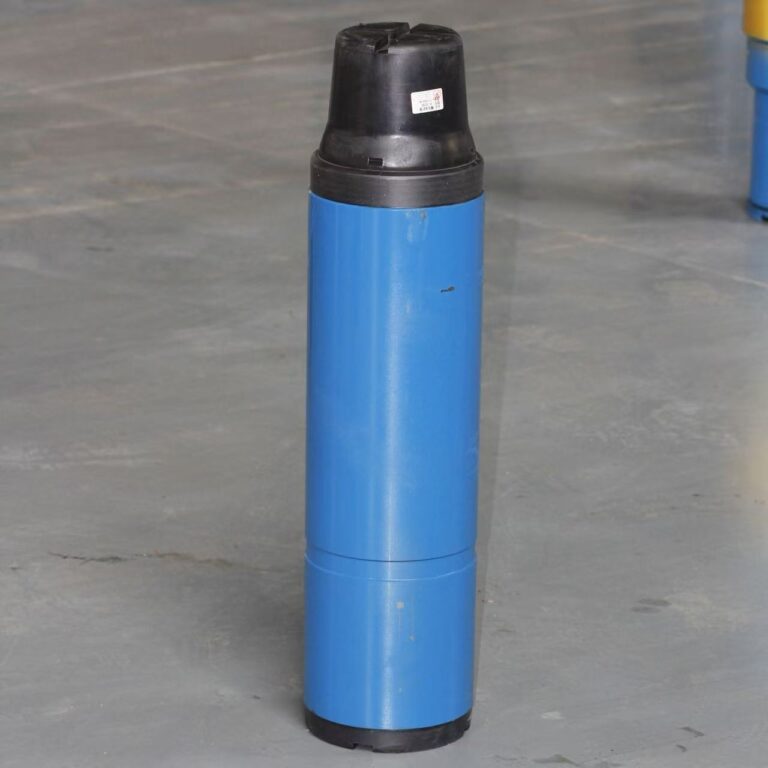
In the complex architecture of a Bottom Hole Assembly (BHA), stability is the prerequisite for performance. While various specialized tools exist for steering and reaming, the Integral Blade Stabilizer (IBS) remains the primary mechanical component for ensuring the drill string maintains its intended path. Machined from a single piece of high-strength alloy steel, the IBS provides the structural rigidity necessary to handle the extreme stresses of modern drilling.
1. Monolithic Construction: Eliminating Mechanical Failure
The “Integral” in IBS refers to the fact that the blades and the tool body are machined from a single bar of heat-treated steel (typically AISI 4145H Mod).
- No Welded Parts: Unlike welded-blade stabilizers, which can suffer from weld-fatigue and blade loss downhole, the IBS eliminates the risk of leaving “junk” in the hole.
- Uniform Material Properties: Because the entire tool is one piece, it possesses uniform metallurgical properties, ensuring consistent strength and elasticity across the entire component.
2. Maximizing BHA Rigidity and Centered Rotation
Wellbore stability starts with controlling the movement of the drill string. An unstable BHA leads to lateral vibrations, also known as “whirl.”
- Vibration Damping: The IBS provides consistent contact points against the borehole wall, effectively damping lateral vibrations before they can escalate and damage MWD sensors or PDC bits.
- Centralization: By keeping the drill string centered, the IBS ensures that the Weight on Bit (WOB) is applied linearly, preventing the pipe from buckling and creating micro-doglegs that compromise hole quality.
3. Optimizing Hole Quality and Cuttings Transport
A stable wellbore is a clean wellbore. If the drill string is allowed to “wobble” or oscillate, it creates a rugose (rough) borehole wall.
- Smooth Borehole Walls: The IBS acts as a guiding mandrel, ensuring the bit cuts a smooth, circular path. This is critical for reducing torque and drag during later casing runs.
- Annular Dynamics: Effective hole cleaning requires consistent fluid velocity in the annulus. A centered drill string ensures uniform mud flow, preventing the buildup of cuttings “beds” on the low side of the wellbore.
4. Hardfacing Technology: Protecting the Gauge
To maintain wellbore stability over long intervals, the stabilizer blades must stay “in gauge.” Once a stabilizer wears down, the BHA loses its rigidity, and stability collapses. Modern IBS tools utilize advanced hardfacing materials:
- Tungsten Carbide Inserts (TCI): For highly abrasive formations.
- Crushed Tungsten Carbide: For general drilling conditions to provide a balance of durability and cost.
- Specialized Thermally Stable Polycrystalline (TSP): For extreme heat and friction environments.
5. Tailoring the Design: Spiral vs. Straight Blades
Wellbore stability is further optimized by selecting the correct blade geometry:
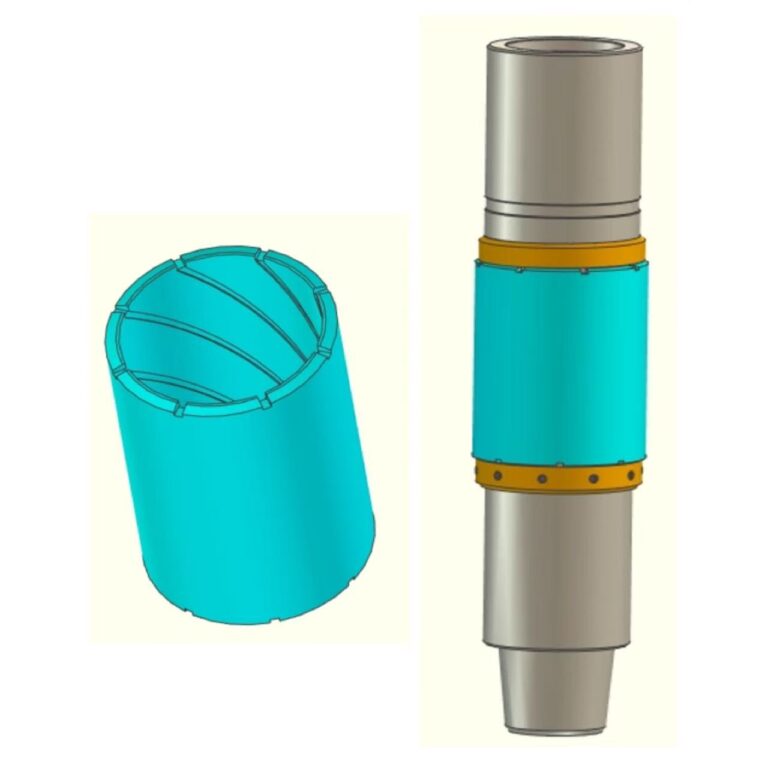
- Spiral Blades: Provide 360-degree contact with the wellbore, which is superior for vibration damping and smoothing the hole wall in directional applications.
- Straight Blades: Typically used in large-diameter top-hole sections where fluid bypass (total flow area) is the priority over absolute steering precision.
6. Conclusion
The Integral Blade Stabilizer is the silent guardian of wellbore integrity. Its simplicity is its greatest strength—providing the rigid, monolithic support required to keep the bit on target and the wellbore smooth. For operators in 2026 targeting deeper and more complex reservoirs, the IBS remains the most reliable investment for preventing NPT caused by vibration, stuck pipe, or poor hole quality.