


How Mud Pulse Telemetry Transmits Data from Downhole to Surface
Modern directional drilling relies on real-time downhole measurements to guide drilling operations. These measurements are collected by MWD (Measurement While Drilling) systems and transmitted to the surface for analysis.
The most widely used method for transmitting this information is Mud Pulse Telemetry.
This technology allows drilling data to travel thousands of meters through drilling fluid inside the drill string, enabling engineers to monitor wellbore conditions in real time.
What Is Mud Pulse Telemetry?
Mud pulse telemetry is a communication method used in MWD systems that transmits information through pressure pulses generated in the drilling fluid.
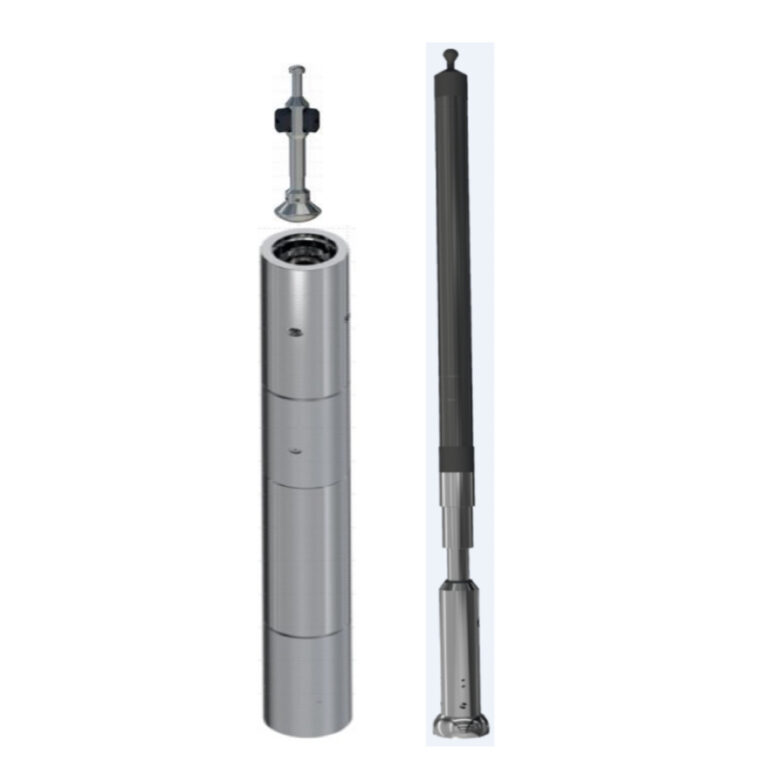
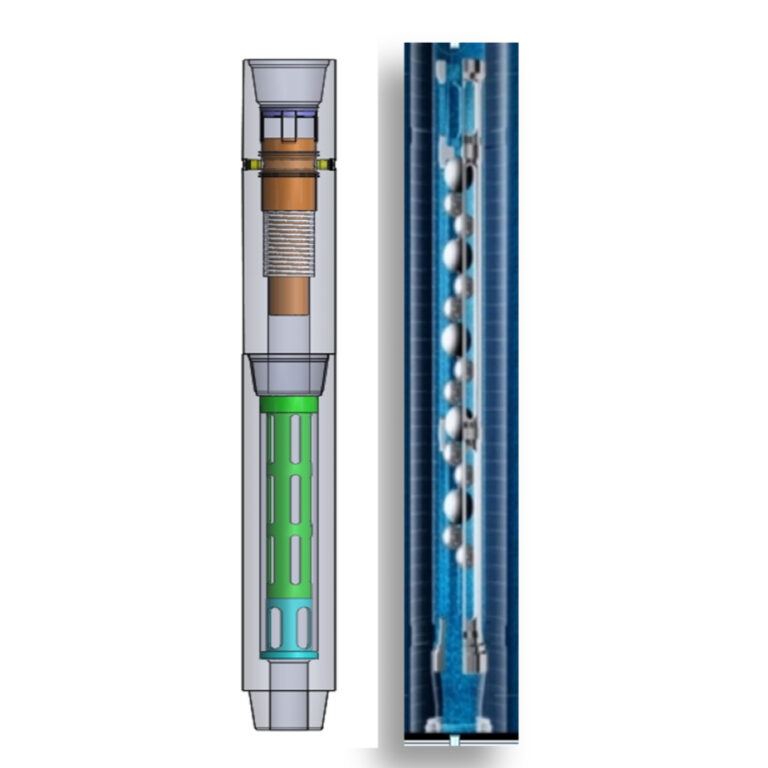
Inside the MWD tool, a device called a pulse generator periodically restricts the flow of drilling mud, creating pressure fluctuations.
These pressure pulses travel upward through the drilling fluid inside the drill string and are detected at the surface by pressure sensors installed in the standpipe.
Surface decoding systems then translate these signals into readable drilling data.
Key Components of a Mud Pulse Telemetry System
A complete telemetry system includes several critical components.
1. Downhole Sensors
MWD tools collect a variety of measurements, including:
• Inclination
• Azimuth
• Toolface orientation
• Downhole temperature
• Downhole pressure
These sensors continuously generate data that must be transmitted to the surface.
2. Pulse Generator
The pulse generator is the core of the telemetry system.
It converts digital sensor data into pressure pulses in the drilling fluid.
Different systems may use:
• Positive pulse systems
• Negative pulse systems
• Continuous wave telemetry
The reliability of the pulse generator directly affects signal strength and transmission stability.
3. Mud Column as Transmission Medium
Drilling fluid acts as the communication channel between downhole tools and surface equipment.
However, the mud column can introduce challenges such as:
• Signal attenuation
• Noise from pumps and drilling operations
• Signal distortion in deep wells
Optimizing drilling fluid properties and system design is essential for maintaining signal clarity.
4. Surface Decoding System
At the surface, standpipe pressure sensors detect the incoming pulses.
Specialized software filters noise and decodes the signals into real-time drilling data that engineers can monitor.
This data allows drilling teams to:
✔ Track wellbore trajectory
✔ Monitor drilling conditions
✔ Adjust drilling parameters in real time
Challenges in Mud Pulse Telemetry
Although mud pulse telemetry is widely used, it faces several operational challenges:
• Signal weakening in deep wells
• Interference from drilling pumps
• Solid particles affecting pulse generator performance
• High temperature affecting electronic components
To address these issues, modern systems integrate advanced filtration, vibration control, and high-temperature electronics.
Importance for Directional Drilling
Reliable telemetry is essential for directional drilling and complex well trajectories.
Without real-time downhole data, it would be extremely difficult to control:
• Horizontal wells
• Extended reach wells
• Deep high-temperature wells
Mud pulse telemetry therefore remains one of the most critical technologies in modern drilling operations.
Conclusion
Mud pulse telemetry enables drilling engineers to receive real-time downhole data from thousands of meters below the surface.
By combining advanced sensors, pulse generators, and surface decoding systems, MWD tools provide essential information for safe and efficient drilling.
As drilling environments become more challenging, improvements in telemetry technology will continue to play a key role in enhancing drilling accuracy and operational efficiency.