


How Non-Magnetic Heavy Weight Drill Pipe Improves Directional Control
In the sophisticated geometry of 2026 well designs—where “tortuosity” is a buzzword and horizontal laterals extend for miles—the transition zone of the Bottom Hole Assembly (BHA) has become a focal point for engineering optimization. Non-Magnetic Heavy Weight Drill Pipe (NMHWDP) is the specialized tool that bridges the gap between the rigid drill collars and the flexible drill pipe. By combining weight, flexibility, and “magnetic silence,” it has become an essential component for achieving high-precision directional control.
1. The Ideal Transition: Managing BHA Stiffness
One of the greatest challenges in directional drilling is the transition in stiffness. Connecting rigid, large-diameter drill collars directly to flexible drill pipe creates a “stress concentration” point that often leads to fatigue and pipe failure.
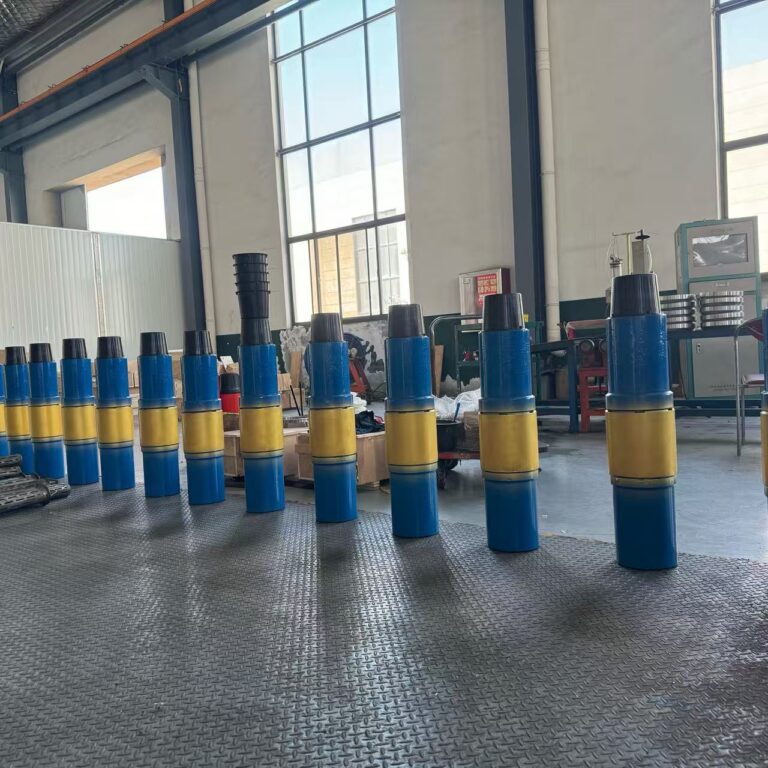
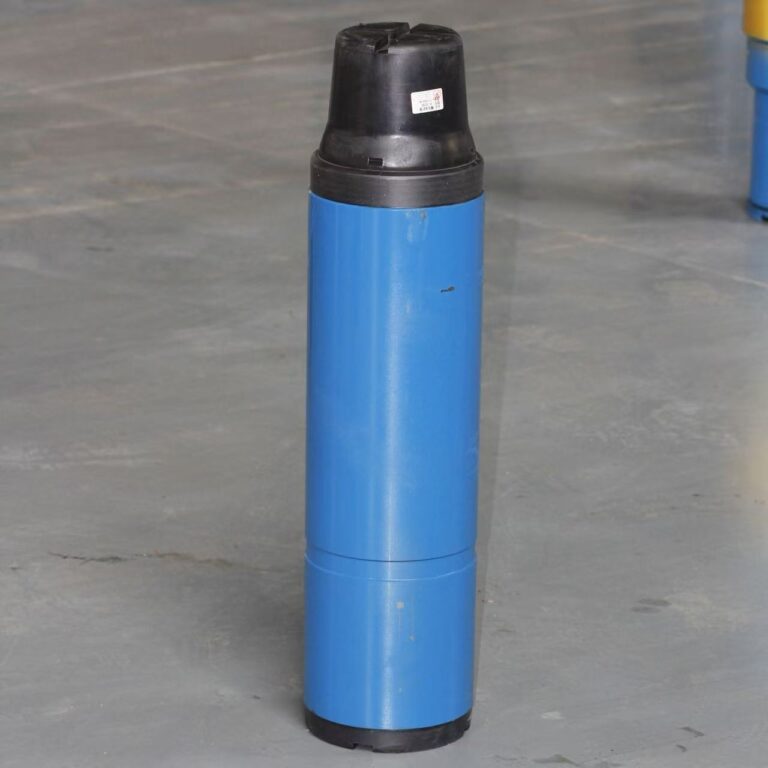
- The Bridge: NMHWDP acts as a mechanical buffer. It has the same outer diameter as standard drill pipe but with a much thicker wall and longer tool joints.
- Preventing Buckling: In high-angle wells, NMHWDP provides the necessary weight to the bit (WOB) while maintaining enough flexibility to navigate the “curve” without the risk of helical buckling that a stiffer collar might encounter.
2. Supporting MWD Accuracy in Complex BHAs
As we discussed on Day 21, MWD sensors require a non-magnetic environment. However, in many modern BHAs, a single Non-Magnetic Drill Collar (NMDC) is not enough to provide sufficient “magnetic spacing,” especially when using high-power mud motors or complex LWD suites.
- Extended Magnetic Silence: NMHWDP allows engineers to extend the non-magnetic zone further up the string. This ensures that the ferromagnetic “hot” steel of the standard drill pipe is pushed far enough away from the magnetometers to eliminate any residual interference.
- Better Surveys: With NMHWDP, survey accuracy is maintained even in high-build-rate sections where traditional spacing might be compromised.
3. Enhancing Weight Transfer and ROP
In horizontal sections, gravity works against the drill string, creating significant drag. Standard drill pipe can “float” or buckle when pushed, leading to inconsistent Weight on Bit.
- Effective WOB: Because NMHWDP is heavy but semi-flexible, it lies on the low side of the wellbore and provides a stable “push.” This ensures that the force applied at the surface is transmitted linearly to the bit.
- Reduced Stick-Slip: The added weight helps dampen the rotational vibrations and “stick-slip” that often plague horizontal drilling, resulting in a steadier torque profile and higher Rate of Penetration (ROP).
4. Durability in Abrasive and Corrosive Environments
Our NMHWDP is manufactured from high-strength, non-magnetic stainless steel alloys. This provides two distinct advantages:
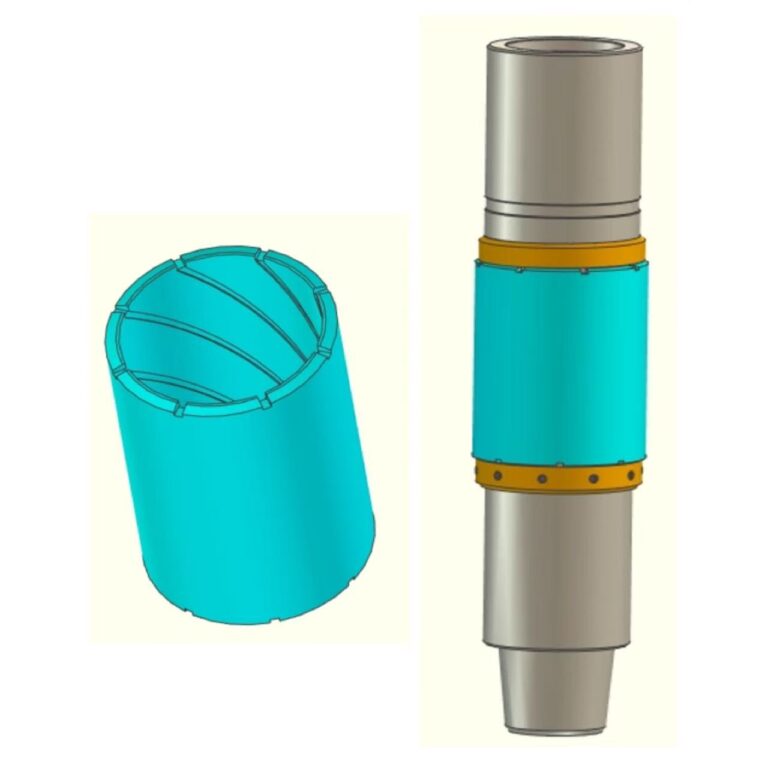
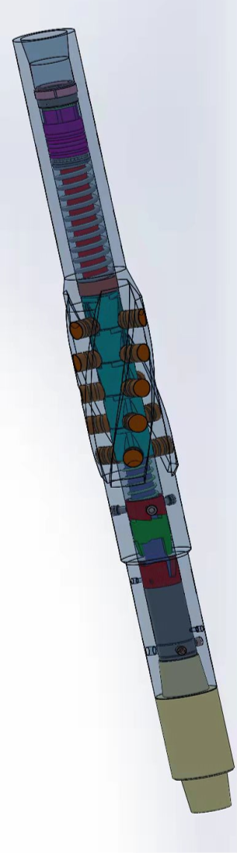
- Wear Resistance: The oversized tool joints and center wear pads are designed to withstand the abrasive friction of rotating against the formation in the “curve.”
- Chemical Stability: Unlike carbon steel, these alloys are inherently resistant to Stress Corrosion Cracking (SCC) in high-chloride or $H_2S$ environments, which are increasingly common in 2026 deep-gas projects.
5. Improving Directional Steering Precision
When a directional driller needs to “slide” (steer without rotating), the flexibility of the NMHWDP is critical. It allows the BHA to conform to the wellbore’s curvature more easily than a stiff drill collar, reducing the “side-loading” forces that can cause the bit to walk off-course. This results in a smoother wellbore with lower dogleg severity and reduced tortuosity.
6. Conclusion
Non-Magnetic Heavy Weight Drill Pipe is more than just a transition tool; it is a navigational enabler. By providing the perfect balance of weight and flexibility while maintaining magnetic integrity, NMHWDP ensures that MWD surveys remain accurate and directional steering remains precise. For operators targeting narrow pay zones in complex reservoirs, NMHWDP is a fundamental requirement for operational excellence.