


QDT Pulse Generators Explained: Stability and Signal Strength
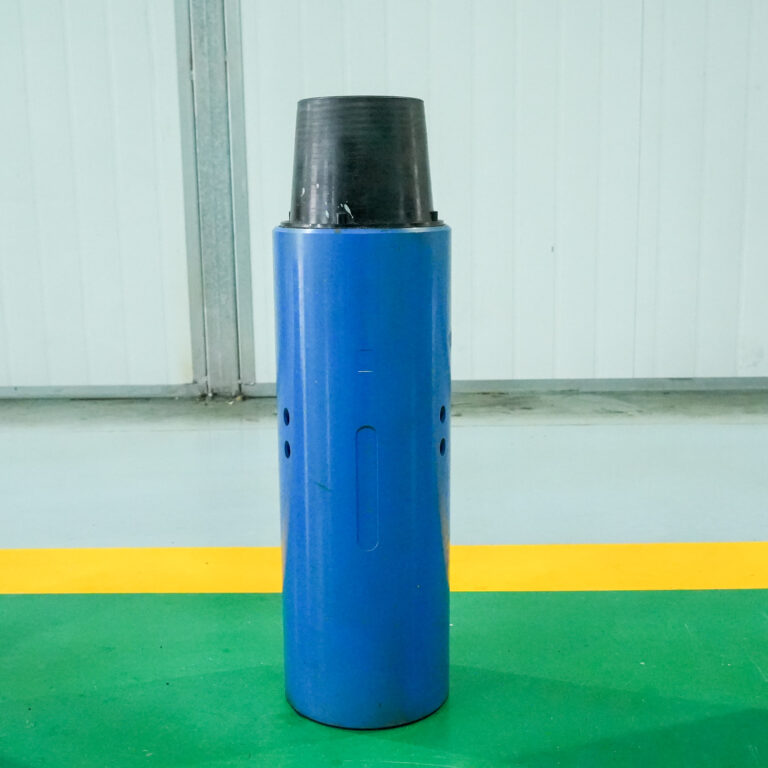
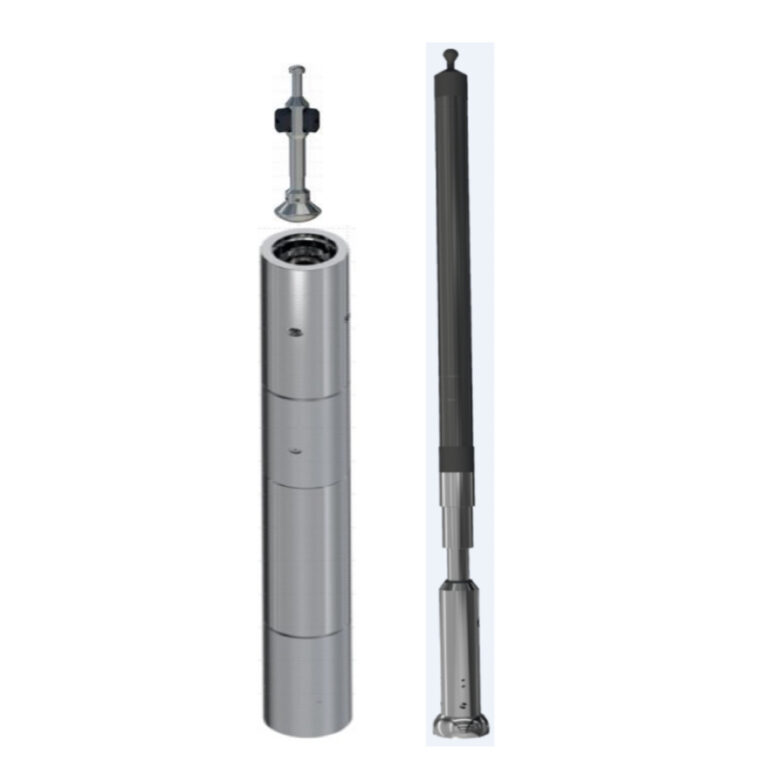
In the high-stakes environment of directional drilling, the “Quick-Deployment Telemetry” (QDT) standard has emerged as a preferred solution for operators demanding both ease of service and uncompromising performance. At the heart of this system lies the QDT Pulse Generator. Designed for rapid assembly and high-fidelity signal transmission, the QDT pulser is engineered to solve the age-old problem of maintaining signal stability in high-flow, high-noise environments.
1. Defining QDT: Stability by Design
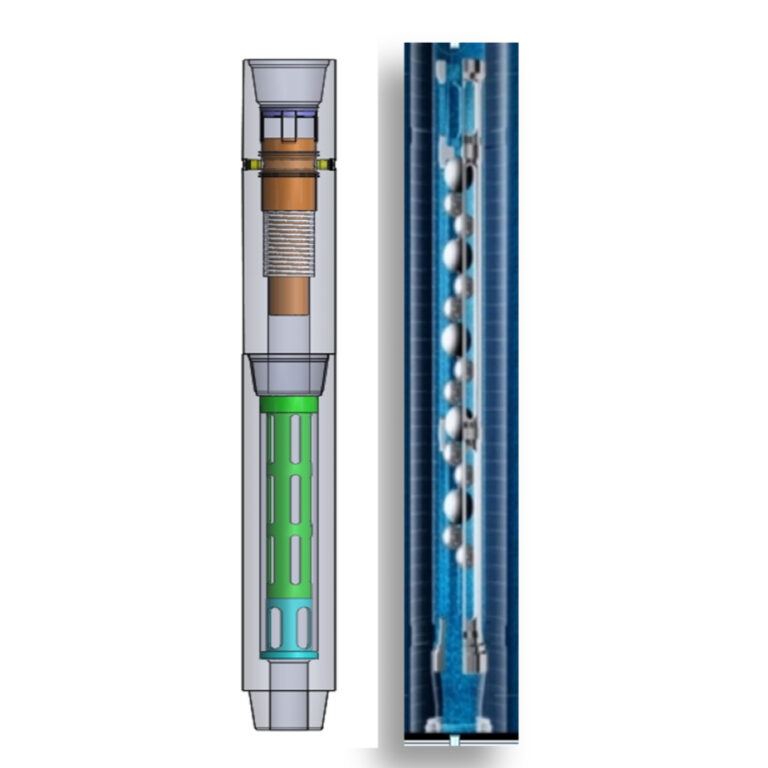
The QDT architecture is focused on minimizing mechanical complexity while maximizing structural rigidity. Unlike traditional pulse generators that may rely on intricate, multi-part spring assemblies, the QDT pulser utilizes a streamlined, balanced mechanical design.
- Vibration Resistance: The internal mass distribution of the QDT system is optimized to counteract the lateral harmonics encountered in high-speed rotary drilling. By maintaining structural stability, the pulser prevents “chatter”—the leading cause of ghost signals and telemetry errors.
- Positive Locking Mechanisms: The QDT design incorporates secure, repeatable latching mechanisms, ensuring the pulser remains perfectly aligned within the tool housing, regardless of pump cycles or shock loads.
2. Maximizing Signal Strength
The primary metric of any pulser is its ability to transmit a pulse that can be decoded clearly at the surface.
- Pressure Waveform Integrity: QDT pulsers are engineered to produce a distinct, high-amplitude pressure differential ($\Delta P$). By minimizing internal fluid friction and optimizing the valve seat geometry, these pulsers ensure that more energy is converted into a pressure wave rather than lost to internal turbulence.
- Signal-to-Noise Ratio (SNR): Because QDT pulsers provide a consistent pulse shape, surface software can easily distinguish between the “true signal” and the ambient background noise created by the rig’s mud pumps. This creates a superior SNR, essential for deep-well telemetry.
3. The “Quick-Deployment” Advantage
In the field, downtime is the enemy of profitability. The “Quick-Deployment” aspect of the QDT system refers to its simplified maintenance cycle.
- Modular Architecture: The QDT pulser is designed for rapid modular swap-outs. If a fault is detected on the rig floor, the pulser assembly can be exchanged in minutes rather than hours, keeping the rig operational and on schedule.
- Serviceability: Its design minimizes the number of seals and O-rings required, reducing the common points of failure that plague standard telemetry systems.
4. Reliability in Demanding Fluids
QDT pulse generators are specifically calibrated to handle a wide range of mud weights and rheologies.
- Consistent Performance: Whether drilling with low-density water-based muds or high-density, synthetic-based fluids (SBM), the QDT pulser’s valve mechanism compensates for varying fluid viscosities to maintain a steady pulse frequency.
- Debris Tolerance: The hardened valve seat materials used in QDT tools ensure that the system remains resistant to erosion, even when drilling through abrasive formations or using mud with high solids content.
5. Conclusion
For operators who prioritize both telemetry reliability and operational efficiency, the QDT Pulse Generator is an essential component. By combining superior structural stability with high-amplitude signal strength, it offers a robust solution for modern, complex drilling operations. In the pursuit of precision wellbore placement, the QDT pulser provides the confidence that your data will reach the surface clearly and reliably, run after run.