


Why Resistivity Housings Are Critical for Downhole Measurement
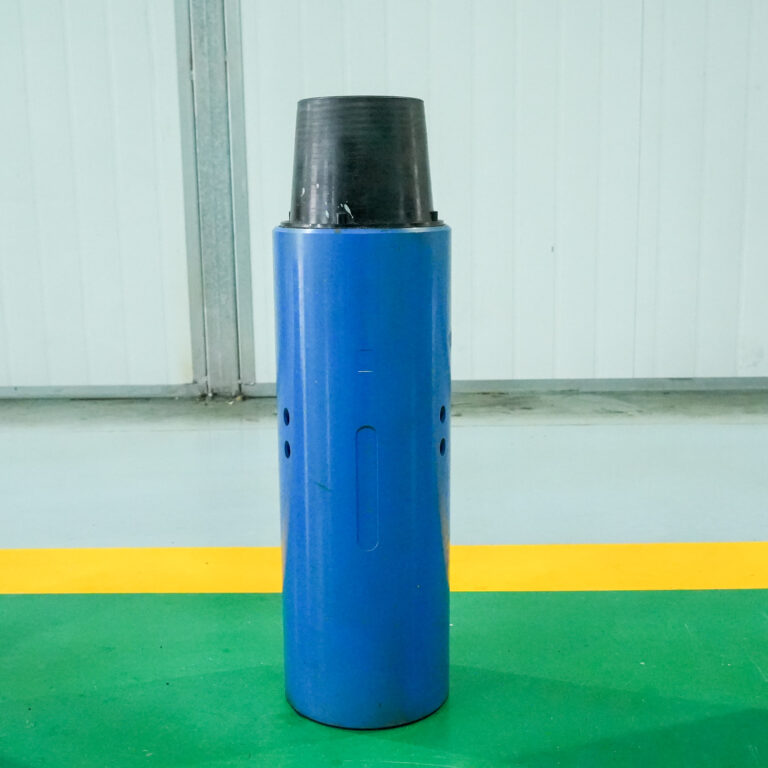
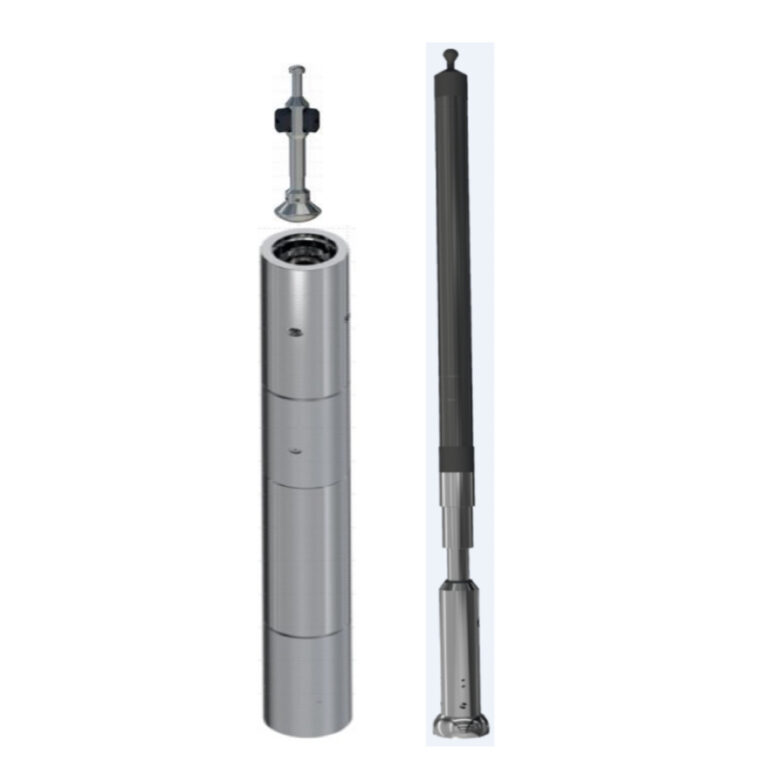
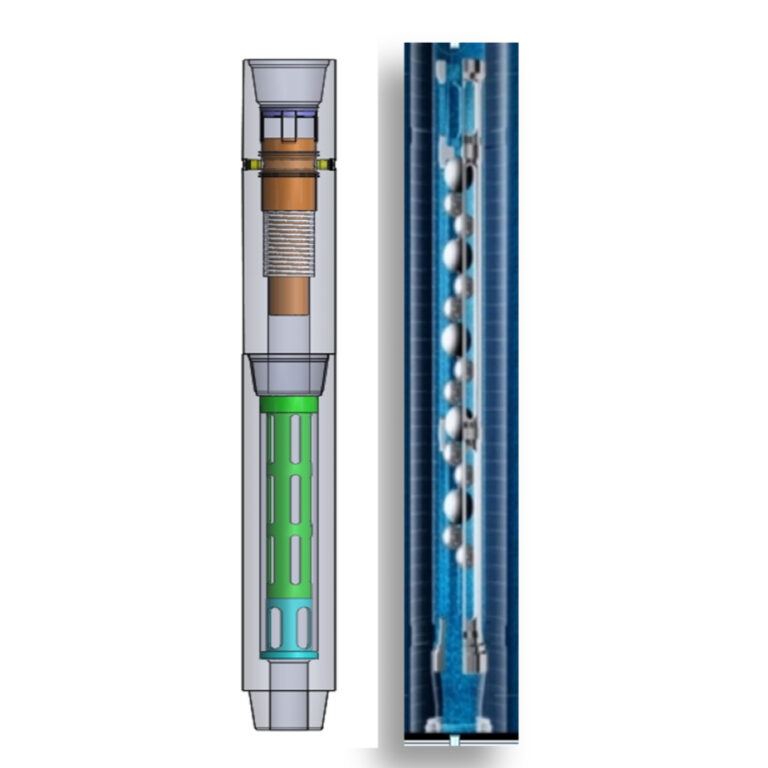
In the complex process of formation evaluation, the Resistivity Housing acts as the primary interface between the sensitive electronics of the Logging-While-Drilling (LWD) tool and the subterranean environment. While often viewed simply as a protective shell, the resistivity housing is a highly engineered component that directly dictates the quality, accuracy, and reliability of your formation data.
1. Protecting the “Eyes” of the BHA
Resistivity tools operate by emitting electromagnetic signals into the formation and measuring the return. The housing must satisfy a contradictory set of requirements:
- Structural Durability: It must withstand the crushing pressures and abrasive flow of the drilling environment.
- Signal Transparency: It must be “transparent” to the electromagnetic waves emitted by the tool. If the housing material interferes with these waves, the resulting resistivity logs will be distorted, leading to incorrect formation analysis.
2. Material Engineering: The Non-Conductive Challenge
To achieve the necessary signal transparency, resistivity housings are frequently constructed from specialized, high-strength, non-conductive, or low-conductivity materials.
- Ceramic and Composite Innovations: Modern housings utilize advanced ceramics or high-tech polymers reinforced with glass or carbon fibers. These materials provide the mechanical strength of steel while remaining non-conductive, ensuring the sensor array can “see” deep into the formation without interference.
- Thermal and Chemical Resistance: Because they are exposed to harsh downhole fluids—including drilling muds and acidic or alkaline gases—these housings must be chemically inert to prevent degradation over long, high-temperature runs.
3. The Impact on Data Fidelity
The housing is not a passive component; it is an active participant in signal propagation.
- Signal Window Integrity: Any hairline crack or degradation in the housing material can lead to “signal noise” or “shunting,” where the electrical signal travels along the tool surface rather than through the rock. High-quality housings are manufactured with extreme precision to ensure uniform signal propagation across the entire sensor array.
- Pressure Isolation: The housing must maintain a perfect pressure seal. Any moisture ingress into the sensor chamber will immediately cause a short circuit, resulting in a catastrophic loss of real-time formation data.
4. Maintenance and Reliability
Because resistivity housings are mission-critical, their maintenance is paramount:
- Inspection Protocols: Every resistivity housing should undergo rigorous inspection for surface erosion, thermal fatigue, and micro-fractures before every deployment.
- Advanced Coatings: Many modern housings feature thin-film coatings to improve erosion resistance, ensuring the tool maintains its geometric profile even after thousands of hours of rotation.
5. Conclusion
The resistivity housing is far more than a protective cover; it is a vital component of the sensor system itself. By balancing extreme mechanical robustness with electromagnetic signal transparency, these housings ensure that the data reaching the surface is as accurate as possible. For operators aiming to optimize reservoir discovery, investing in high-integrity resistivity housings is non-negotiable.