


Self-Priming Float Valve: Zero-Intervention Hydrodynamic String Filling
During tripping operations, keeping the drill string filled with drilling fluid is vital to maintain hydrostatic balance, prevent wellbore collapse, and avoid formation gas influxes. Traditional float valves require manual filling from the rig floor via fill-up lines or kelly cocks, which is time-consuming, labor-intensive, and introduces safety risks. To eliminate manual intervention and streamline trip times, advanced operations utilize the Self-Priming Float Valve. Engineered with an intelligent hydrodynamic bypass mechanism, this specialized tool automatically allows drilling fluid to fill the drill string from the annulus during run-in-hole operations while remaining primed to instantly seal against any upward pressure surge or well kick.
1. The Advanced Engineering Architecture of Hydrodynamic Filling
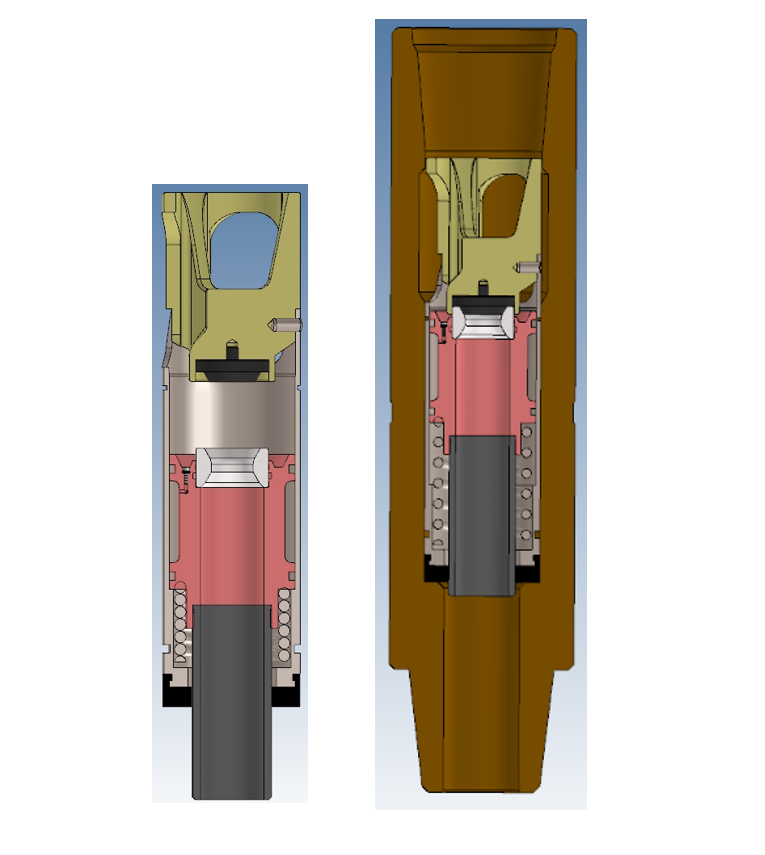
Unlike standard check valves that remain tightly sealed until pumped open, the self-priming float valve integrates a pressure-balanced differential bypass system designed for automated two-way functionality.
- Hydrodynamic Bypass Porting: Precision-calibrated internal bypass channels allow drilling mud to enter and fill the drill string automatically as the BHA is lowered into the wellbore, matching tripping speed.
- Pressure-Actuated Closing Mechanism: The moment downward tripping ceases and upward pressure or fluid flow is detected, internal spring-loaded sleeves or flappers shift instantly to seal the bypass and engage full check-valve containment.
- Robust Mechanical Latching: Positive locking elements secure the valve securely in the closed position during active drilling, circulation, and high-pressure well control scenarios.
2. Key Operational Advantages and Performance Metrics
- Drastic Reduction in Tripping Time: Eliminates the need for manual fill-up procedures at every stand, saving hours of non-productive time (NPT) over deep well campaigns.
- Enhanced Rig-Floor Safety: Keeps the rig floor cleaner and removes roughnecks from hazardous repetitive handling of top-drive fill-up hoses and manual valves.
- Continuous Hydrostatic Monitoring: Ensures the drill string stays completely full at all times, preventing U-tubing anomalies and maintaining stable bottom-hole pressure control.
3. Engineering for Harsh Downhole Environments
- Erosion-Resistant Ceramic and Alloy Armoring: Critical bypass ports and sealing edges are armored with advanced technical ceramics or high-grade hardfacing to resist cutting from abrasive muds.
- Sour-Service Forged Metallurgy: Manufactured from premium high-tensile alloy steels compliant with NACE standards to withstand severe axial tension, torque, and corrosive well fluids.
4. Conclusion
Operational efficiency and well control are seamlessly united through automated downhole technology. By combining hydrodynamic self-priming bypass capabilities with instant positive closure, the Self-Priming Float Valve revolutionizes tripping workflows, ensuring maximum safety and rig productivity.