


How to Choose the Right Rotary Friction & Torsion Reducing Joint for Downhole Torque Optimization
Introduction
As wells become more complex—especially in directional, horizontal, and extended-reach drilling (ERD)—torque and drag have become critical operational challenges.
Excessive torque can lead to:
- Reduced rate of penetration (ROP)
- Drill string fatigue and failure
- Increased risk of stuck pipe
- Higher energy consumption
One of the most effective solutions is the Rotary Friction & Torsion Reducing Joint (RTRJ).
1. What Is a Rotary Friction & Torsion Reducing Joint?
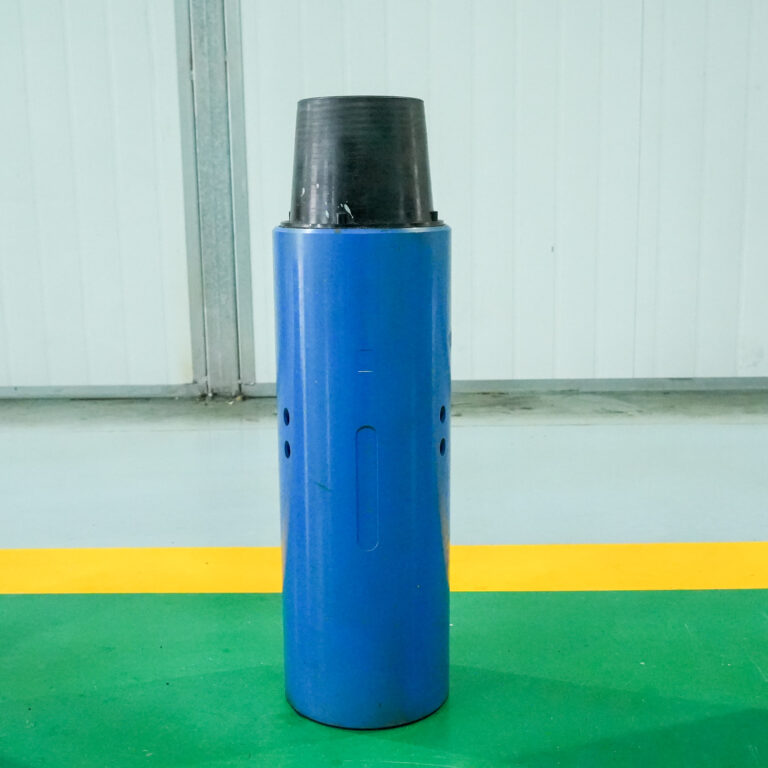
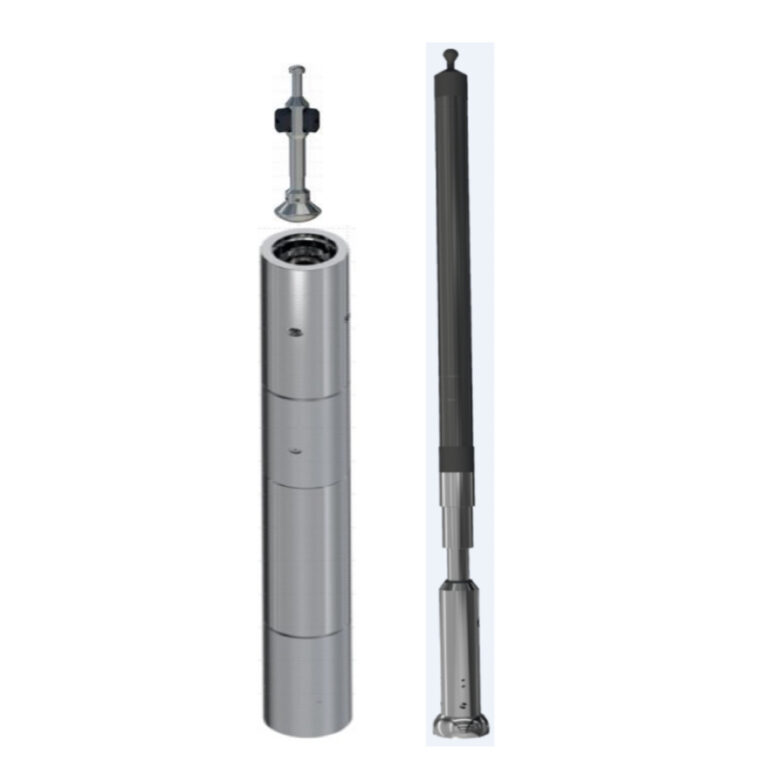
A Rotary Friction & Torsion Reducing Joint is a mechanical tool installed in the drill string or BHA to reduce rotational friction between the drill string and wellbore.
Core Functions
- Minimize torque transmission resistance
- Reduce contact friction with wellbore
- Improve rotational efficiency
- Absorb torsional stress
2. How It Works
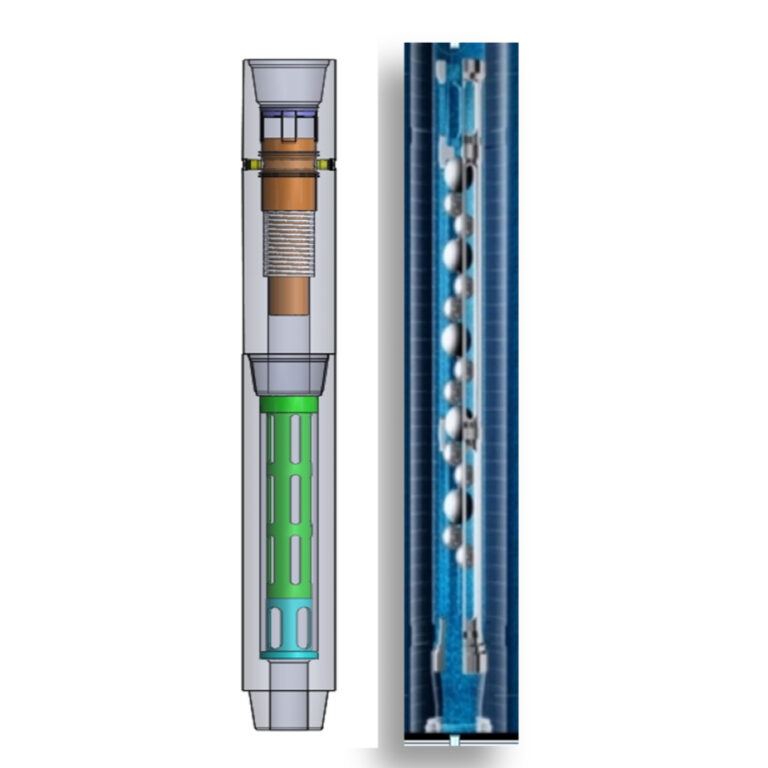
The RTRJ typically incorporates:
- Internal bearing systems
- Low-friction sleeves or rollers
- Torque isolation mechanisms
These components allow relative movement between sections, reducing energy loss caused by friction.
👉 Result:
Smoother rotation + lower surface torque + improved drilling performance
3. Key Benefits
✔ Torque Reduction
Significantly lowers surface torque, especially in long horizontal sections.
✔ Reduced Stick-Slip
Stabilizes rotational behavior and protects tools such as MWD/LWD.
✔ Extended Tool Life
Reduces mechanical stress on:
- Drill pipe
- Connections
- Downhole tools
✔ Improved Weight Transfer
Enhances weight-on-bit (WOB) efficiency.
4. Types of Friction & Torsion Reducing Tools
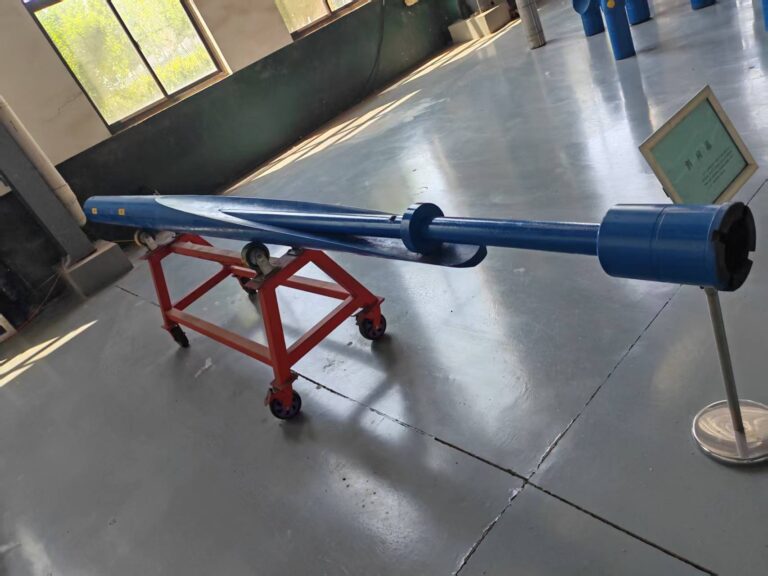
1. Roller-Based Tools
- Use external rollers
- Best for severe friction environments
- Higher mechanical complexity
2. Sleeve-Type (Low-Friction Coating)
- Simpler design
- Suitable for moderate conditions
- Lower cost
3. Bearing-Based Rotary Joints (RTRJ)
- Internal rotation mechanism
- Best for high torque and ERD wells
- Most effective for torsion reduction
5. Selection Guide
Choosing the right tool depends on several key factors:
① Well Profile
- Vertical wells → Usually not required
- Directional wells → Recommended
- Horizontal / ERD wells → Essential
② Torque & Drag Severity
- High torque readings → Use bearing-based RTRJ
- Moderate torque → Sleeve-type may be sufficient
③ Formation Conditions
- Hard formations → Higher friction → stronger tools required
- Soft formations → Lower friction
④ Mud Type
- Oil-Based Mud (OBM) → Naturally lubricated
- Water-Based Mud (WBM) → Requires more friction reduction support
⑤ BHA Configuration
RTRJ should be placed:
- Above high-friction zones
- Near directional tools
- Strategically within long horizontal sections
6. Best Practice: Combined Optimization
RTRJ works best when combined with:
- Stabilizers → Improve centralization
- Non-Rotating Drill Pipe Protectors (NRDPP) → Reduce casing wear
- Proper mud lubrication design
👉 This creates a complete torque & drag reduction system
7. Field Insight
Operators using RTRJ in ERD wells have reported:
- Torque reduction up to 30%
- Improved drilling stability
- Reduced tool failure rates
Ignoring torque management often results in:
- Stick-slip vibration
- Connection damage
- Increased NPT
Conclusion
A Rotary Friction & Torsion Reducing Joint is no longer optional in complex wells—it is a critical optimization tool.
- Simple wells → optional
- Complex wells → essential
Smart tool selection leads to:
✔ Better drilling efficiency
✔ Lower operational risk
✔ Longer tool lifespan