


Plate-Type and Arrow-Type Float Valves: A Comparative Sealing Dynamics Architecture
In oil and gas drilling, float valves play an important role in controlling drilling-fluid flow and preventing backflow through the drill string. Different valve core designs offer different operating characteristics, making the selection of a suitable float valve essential for specific drilling conditions.
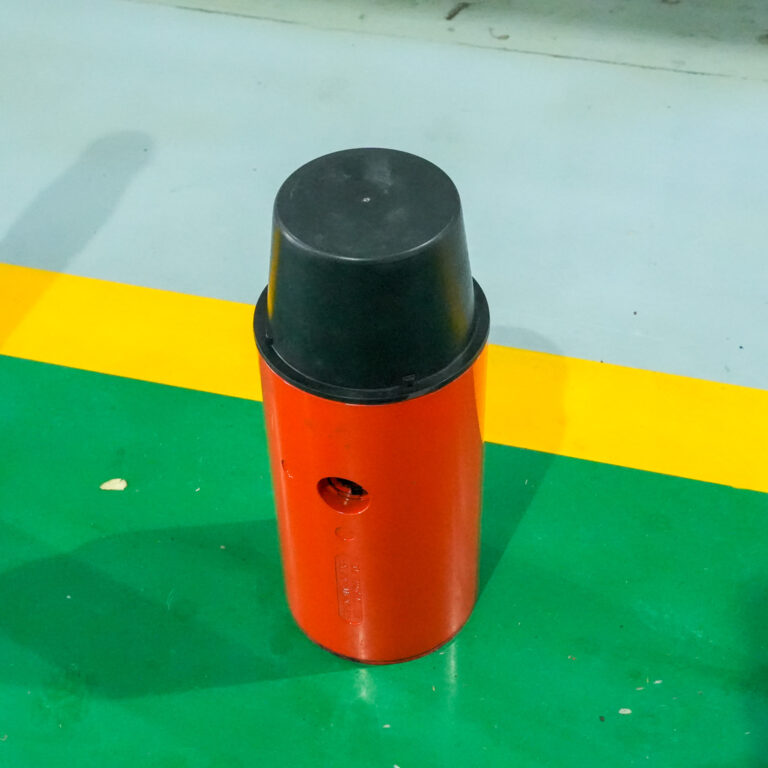
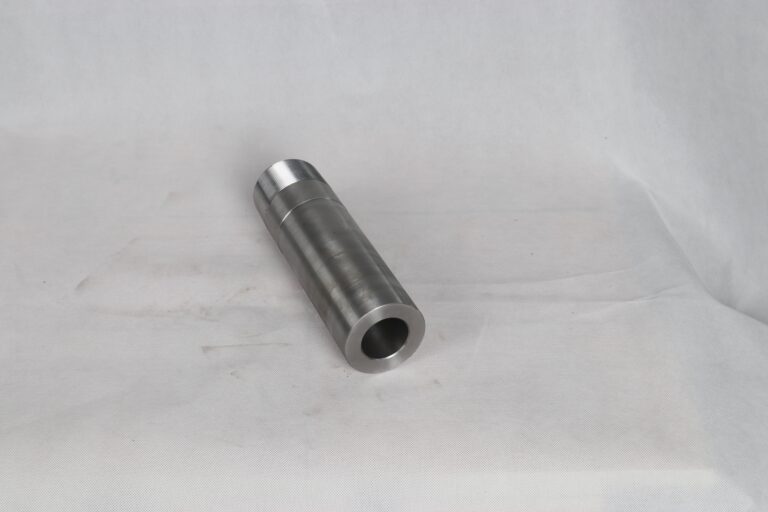
Plate-Type Float Valves and Arrow-Type Float Valves are two common configurations used in drilling applications. Their main difference lies in the internal valve core structure and the mechanism used to open and close the flow passage.
Функциональные преимущества
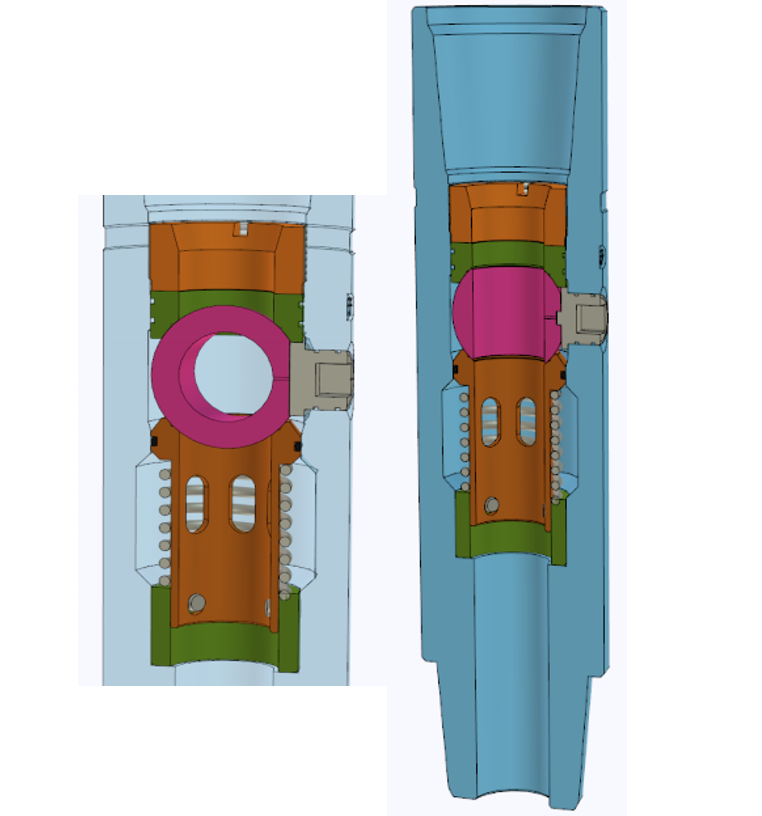
Plate-Type Valve Core Design The plate-type configuration uses a plate or flapper-style valve core that opens under forward fluid pressure and closes to restrict reverse flow. Its design supports one-way flow control in drilling operations.
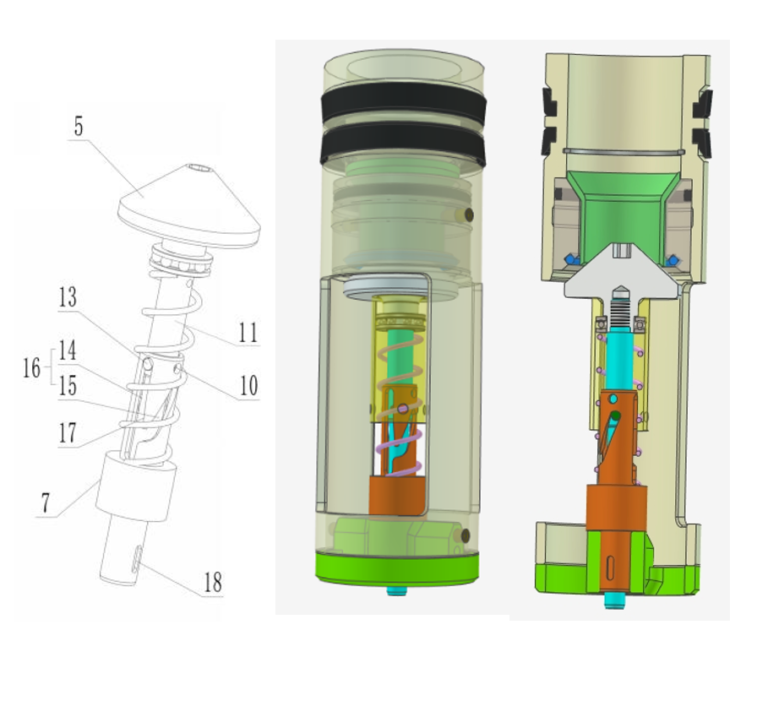
Arrow-Type Valve Core Design The arrow-type configuration uses a plunger-style valve core that moves along its guiding structure in response to fluid pressure, enabling controlled opening and closing of the flow passage.
Reliable Backflow Prevention Both configurations are designed to help prevent drilling fluid from flowing backward through the drill string, supporting internal pressure control during drilling operations.
Adaptability to Different Drilling Conditions Different valve core structures allow drilling operators to select a suitable configuration based on operating conditions, fluid characteristics, and equipment requirements.
Multiple Configuration Options Float valves may be available in different sizes, pressure ratings, connection types, and valve core configurations to meet specific drilling requirements.
Основные приложения
Oil and Gas Drilling Used in drilling assemblies to provide one-way drilling-fluid flow control.
Drill String Backflow Prevention Helps prevent reverse flow through the drill string when fluid pressure changes.
Well-Control Support Provides an internal flow-control barrier as part of drilling well-control procedures.
Downhole Drilling Assemblies Can be incorporated into compatible float subs and other drilling-string components according to the required configuration.
Plate-Type vs. Arrow-Type Float Valves
The primary distinction between these two float valves is their valve core structure and movement mechanism.
| Характеристика | Пластинчатый | Тип «Стрелка» |
|---|---|---|
| Valve core | Plate/flapper type | Plunger type |
| Operating mechanism | Pivoting or lifting plate | Guided axial movement |
| Flow control | One-way flow control | One-way flow control |
| Main function | Backflow prevention | Backflow prevention |
| Selection factors | Flow requirements and operating conditions | Flow requirements and operating conditions |
The most suitable configuration depends on the drilling assembly design, operating pressure, drilling-fluid properties, and maintenance requirements. Actual performance should be evaluated against the technical specifications of the selected model.
Petrogears supplies oilfield float valves and downhole drilling tools for drilling contractors, oilfield service companies, and drilling equipment distributors. Plate-type and plunger-type configurations can be discussed according to specific application requirements.