


Rubber Rotary Casing Wear-Resistant Joint: Non-metallic abrasion-resistant HNBR sleeve (friction coefficient <0.1) vs. bare metal casing grooving
During drilling operations in extended-reach and complex lateral wells, the high-speed rotation of steel drill pipe tool joints against intermediate casing strings causes severe mechanical wear, leading to costly casing grooving, wall thinning, and potential wellbore integrity failures. When evaluating Rubber Rotary Casing Wear-Resistant Joint: Non-metallic abrasion-resistant HNBR sleeve (friction coefficient <0.1) vs. bare metal casing grooving, the mechanical advantages of isolated non-metallic protection are immense. Unlike bare metal drill string connections that scour and grind directly against casing walls, the Резиновое износостойкое соединение для роторного корпуса utilizes a high-performance non-metallic elastomeric outer sleeve to isolate contact, dropping the friction coefficient below 0.1 while providing superior lubrication and cooling.
1. Engineering Architecture of Low-Friction Casing Protection
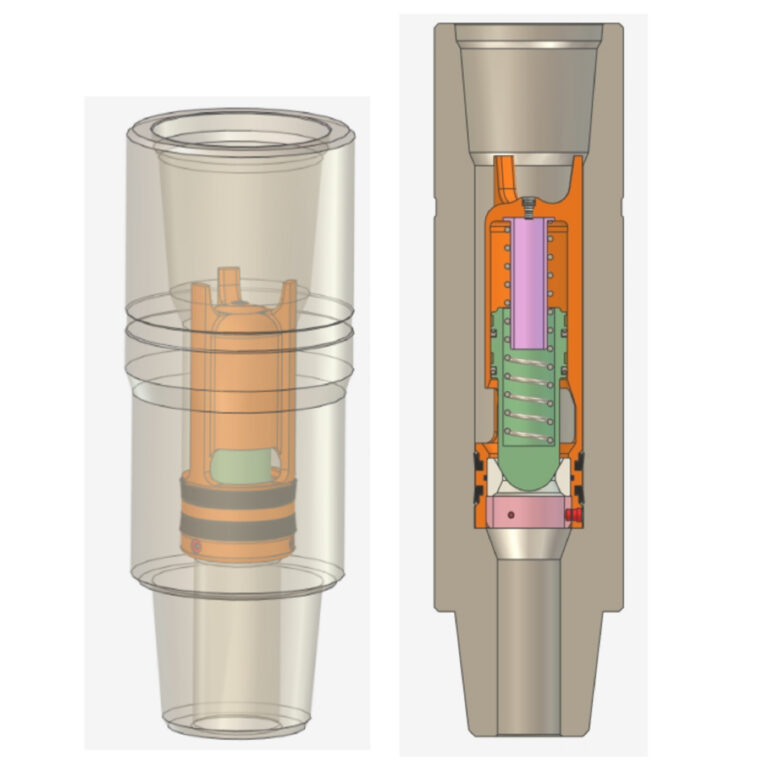
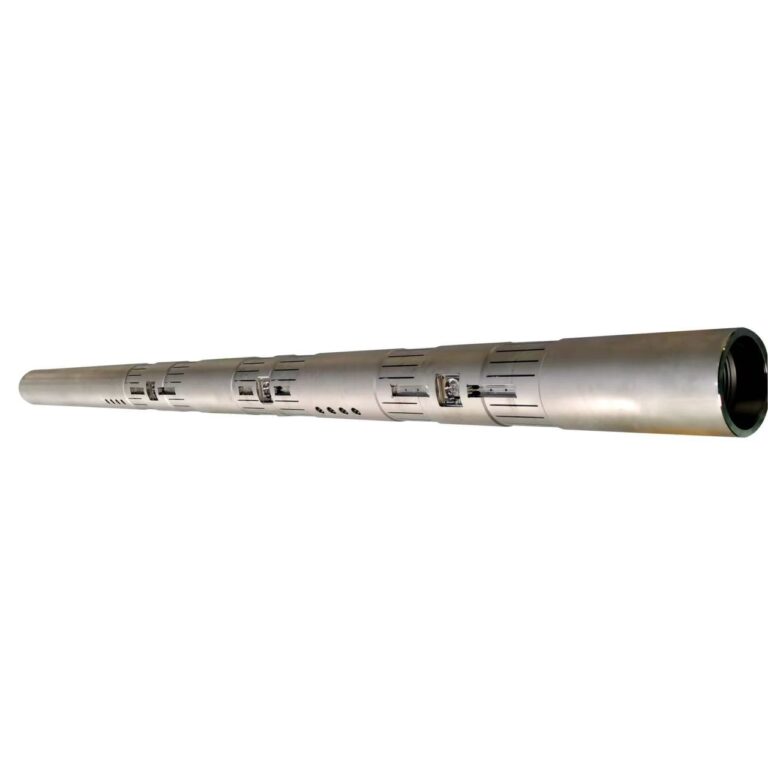
Unlike rigid metallic centralizers or unprotected drill pipe bodies, this wear-resistant joint is engineered with a rotating isolation architecture designed to absorb friction and prevent metal-to-metal gouging.
- Non-Metallic Abrasion-Resistant Sleeve: Forged from specialized high-performance elastomers (such as HNBR), the outer sleeve maintains relative sliding friction against the mandrel, ensuring that rotational wear is absorbed by the replaceable sleeve rather than the casing.
- Ultra-Low Friction Coefficient: Delivers a friction coefficient of less than 0.1, dramatically decreasing surface startup torque and lowering overall string drag during run-in-hole operations.
- Circumferential Lubrication Channels: Features strategically engineered cooling and lubrication channels distributed around the circumference to supply drilling fluid directly to the friction interfaces.
2. Основные операционные преимущества
- Casing Grooving Prevention: Completely stops direct metal contact between drill pipe joints and the casing inner wall, eliminating localized wall wear and premature string failure.
- Значительное снижение крутящего момента и сопротивления: Reduces surface driving rotational torque by over 20% and decreases frictional resistance, facilitating better weight-on-bit (WOB) transmission.
- Lower Rig Start-Up Load: Decreases the initial rotational burden on top drives and rotary tables, extending surface equipment service life.
3. Долговечность в скважине и технические характеристики
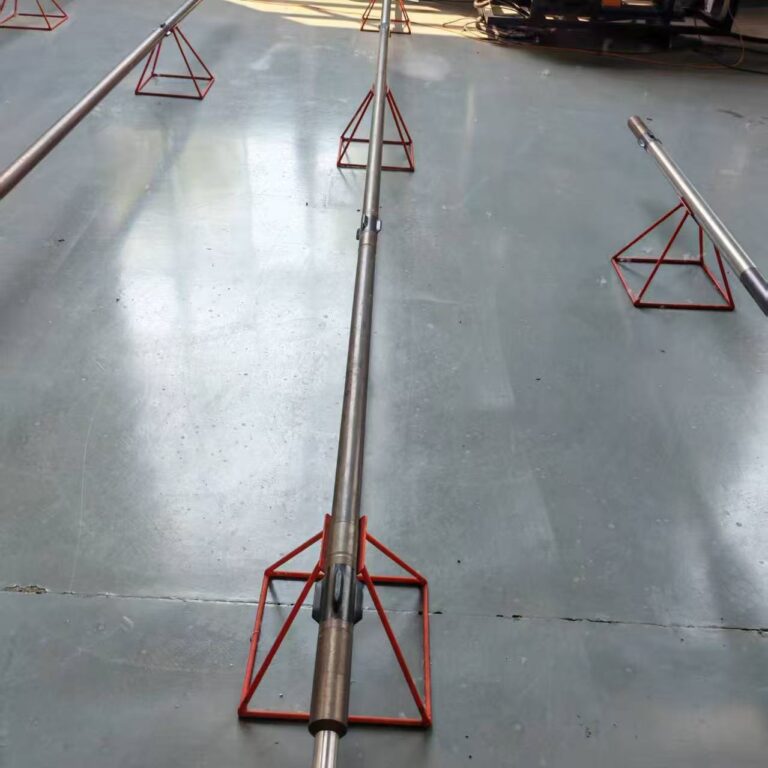
Manufactured across multiple configurations (such as 3-1/2 inch to 5-1/2 inch specifications supporting 7-inch to 13-3/8 inch casing sizes), these joints offer an operational lifespan of up to 2,500 to 3,000 hours in harsh downhole environments.
4. Заключение
Protecting intermediate casing strings from high-speed rotational wear is vital for the long-term integrity of deep and complex wells. By replacing abrasive metal-to-metal contact with the low-friction Rubber Rotary Casing Wear-Resistant Joint, operators safeguard their casing, reduce torque, and ensure smooth drilling performance.