


While-Drilling Safety Bypass Devices: Protecting the BHA from Pressure Spikes
In the high-stakes environment of modern drilling, pressure management is the first line of defense for your Bottom Hole Assembly (BHA). While-Drilling Safety Bypass Devices are engineered specifically to mitigate the risk of catastrophic damage caused by sudden, extreme pressure spikes. By providing an automatic or commanded pressure-relief path, these devices act as an “insurance policy” for your expensive sensor packages and pulse-telemetry systems.
1. The Threat of Pressure Spikes
During drilling, pressure surges can occur due to sudden pump restarts, bit plugging, or wellbore kicks. These spikes can exceed the burst rating of MWD housings, blow out internal seals, or cause irreparable damage to delicate electronic circuits. Relying on rig-side pump management is often too slow to prevent these transient pressure waves from reaching the BHA.
2. How Safety Bypass Devices Work
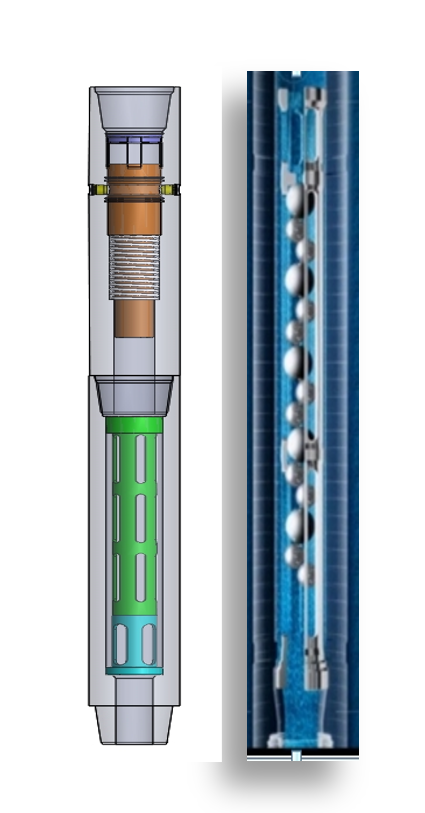
A While-Drilling Safety Bypass Device is designed to react instantly when differential pressure exceeds a pre-set threshold.
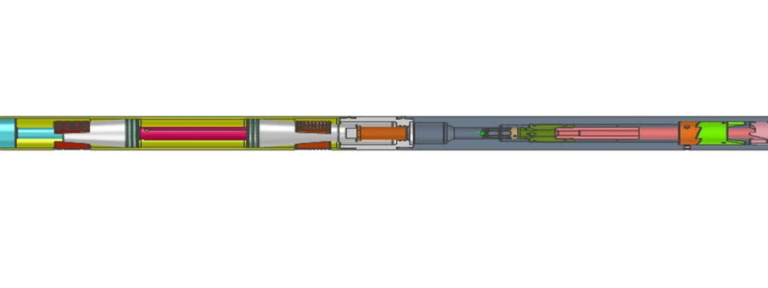
- Automatic Relief: When a surge occurs, the device opens an internal bypass channel, diverting high-pressure fluid away from the sensitive BHA components and into the annulus.
- Transient Wave Damping: Beyond simply bypassing fluid, these devices act as mechanical shock absorbers, dampening the “water hammer” effect created by sudden changes in flow velocity.
3. Key Operational Advantages
- Долговечность сенсора: By absorbing pressure transients, the device significantly reduces the mechanical fatigue on MWD/LWD sensors, leading to longer service life and fewer aborted runs.
- BHA Integrity: It prevents the “bursting” of seals and O-rings, which are often the first points of failure when pressure is not managed correctly.
- Enhanced Well Control: In scenarios where bit plugging occurs, the device ensures that circulation is maintained, preventing the drill string from becoming stuck due to a total loss of mud flow.
4. Engineering for Reliability
These devices are built to be “fail-safe.” They are constructed from high-tensile alloys and feature redundant mechanical triggers to ensure that they function exactly when needed, even after thousands of hours of rotation in harsh, abrasive mud.
5. Conclusion
A While-Drilling Safety Bypass Device is not an optional accessory; it is a critical component for risk-averse drilling operations. By integrating this safeguard into your BHA, you protect your most valuable assets from the unpredictable nature of downhole pressure. For operators aiming to eliminate non-productive time (NPT) and preserve equipment, this device is an essential investment.