


Резиновые и сплавные износостойкие соединения для роторных обсадных труб: выбор подходящей защиты
При бурении с удлиненным вылетом и с сильным изгибом постоянное трение буровой трубы о колонку обсадных труб может привести к катастрофическому износу обсадных труб. Для снижения этого риска операторы используют Износостойкие соединения роторных обсадных труб. Но при выборе между Резина и Сплав Варианты выбора зависят от конкретных условий эксплуатации скважины, требований к крутящему моменту и условий на дне скважины.
1. Резиновые износостойкие соединения для роторных корпусов
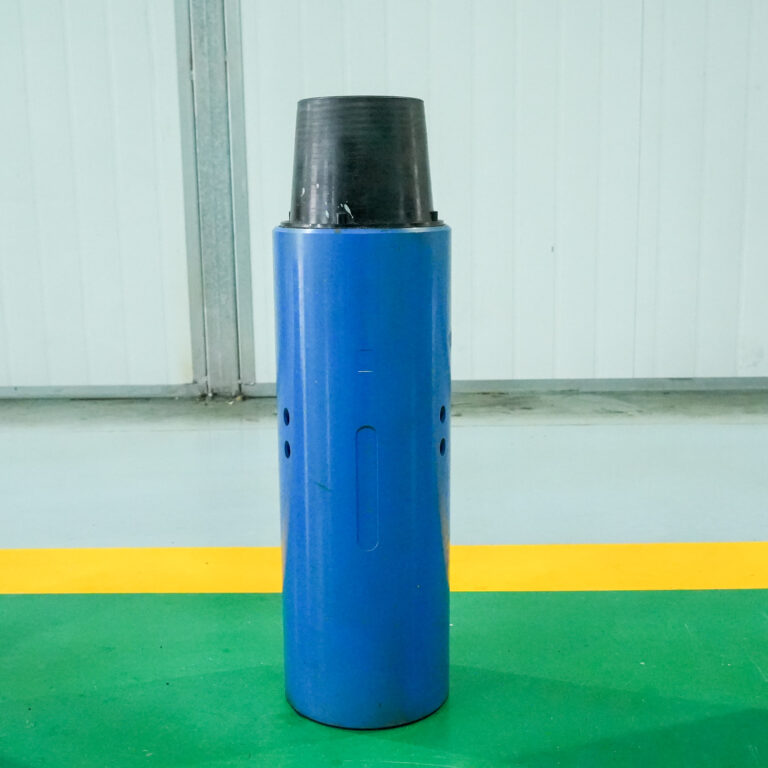
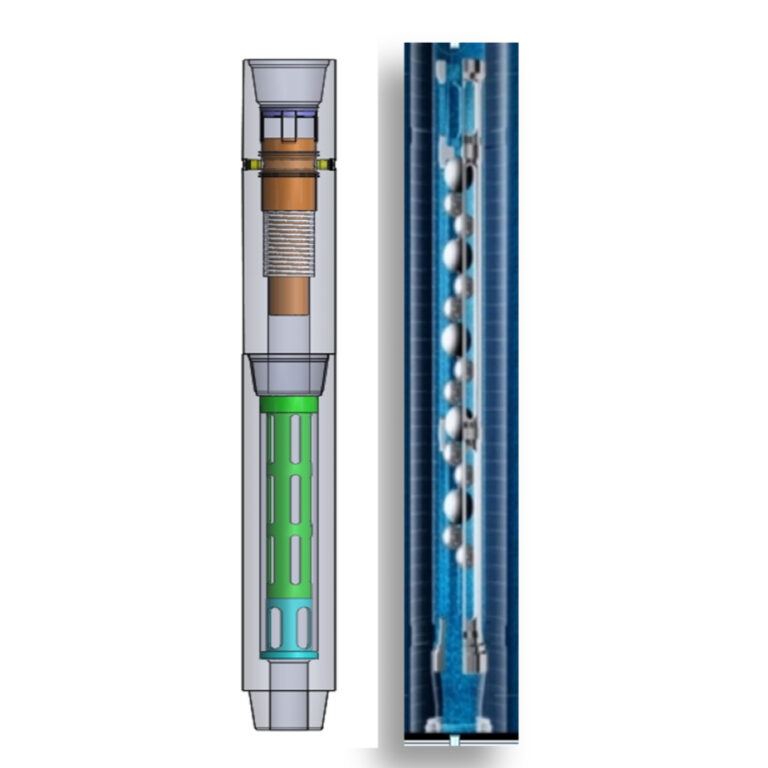
Резиновые муфты являются наиболее распространённым решением в отрасли для стандартных условий бурения. Они выполняют функцию защитной втулки с низким коэффициентом трения, которая защищает обсадную колонну от более твёрдой буровой колонны.
- Преимущества:
- Превосходная смазывающая способность: Резина обеспечивает превосходный коэффициент трения, что позволяет значительно снизить крутящий момент и сопротивление.
- Экономическая эффективность: Как правило, они стоят дешевле и их проще заменить на буровой площадке.
- Лучшее для: Скважины с умеренными температурами и пласты, в которых снижение крутящего момента является основной эксплуатационной проблемой.
2. Износостойкие соединения роторных корпусов из сплава
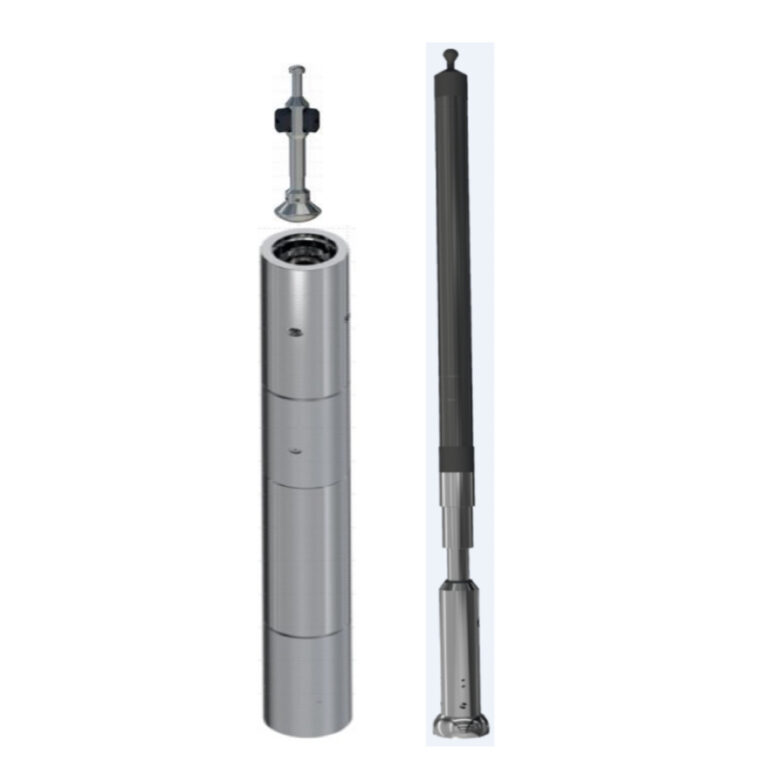
В соединениях из сплава используются высокопрочные металлические поверхности с твердым покрытием, которые создают прочный физический барьер между буровой колонной и обсадной колонной.
- Преимущества:
- Устойчивость к высоким температурам и высокому давлению: В отличие от резины, высокоэффективные сплавы не подвергаются разрушению в условиях экстремально высоких температур или высокого давления.
- Долговечность: Они способны выдерживать значительные поперечные нагрузки и абразивные условия, которые за считанные часы привели бы к износу стандартной резиновой втулки.
- Лучшее для: Глубокие, горячие или подверженные сильному абразивному износу скважины, в которых механические нагрузки могут привести к преждевременному износу резины.
3. Как выбрать?
При выборе между этими двумя вариантами учитывайте следующие три фактора:
- Температура скважины: Если вы работаете в условиях высоких температур и давления (HPHT), резина может выйти из строя — сплав будет более безопасным выбором.
- Требования к крутящему моменту/сопротивлению: Если вы сталкиваетесь с проблемами, связанными с высоким крутящим моментом на длинном горизонтальном отрезке, превосходная смазывающая способность резины может стать решающим фактором, который определит, дойдете ли вы до конечной точки (TD) или застрянете.
- Абразивность состава: В участках с высоким содержанием песка или чрезвычайно твёрдой породой износостойкость сплава зачастую значительно превосходит износостойкость резины.
4. Заключение
Как резиновые, так и износостойкие соединения из сплавов играют ключевую роль в защите ваших инвестиций в обсадные трубы. Тщательно проанализировав профиль скважины, вы сможете выбрать подходящий материал, что позволит максимально продлить срок службы инструмента, сократить непроизводительное время (NPT) и обеспечить целостность ствола скважины на протяжении всего срока эксплуатации объекта.