


Sealing Dynamics Selection: A Comparative Study of Plate-Type versus Arrow-Type Check Valves
Within the high-pressure architecture of a drill string, choosing the correct internal check valve can dictate the success or failure of a well control operation. As drilling fluids surge downward and potential kicks push upward, the internal valve must transition instantly between open circulation and positive sealing. Among the standard mechanical configurations deployed downhole, Plate-Type Check Valves 和 Arrow-Type (Plunger/Dart-Type) Check Valves represent two distinct schools of hydrodynamic design. Evaluating their sealing dynamics, flow resistance, and wear characteristics is crucial for optimal BHA configuration.
1. Comparative Sealing Mechanics and Flow Dynamics
The fundamental difference between plate-type and arrow-type valves lies in how their internal sealing elements interact with fluid flow and pressure differentials.
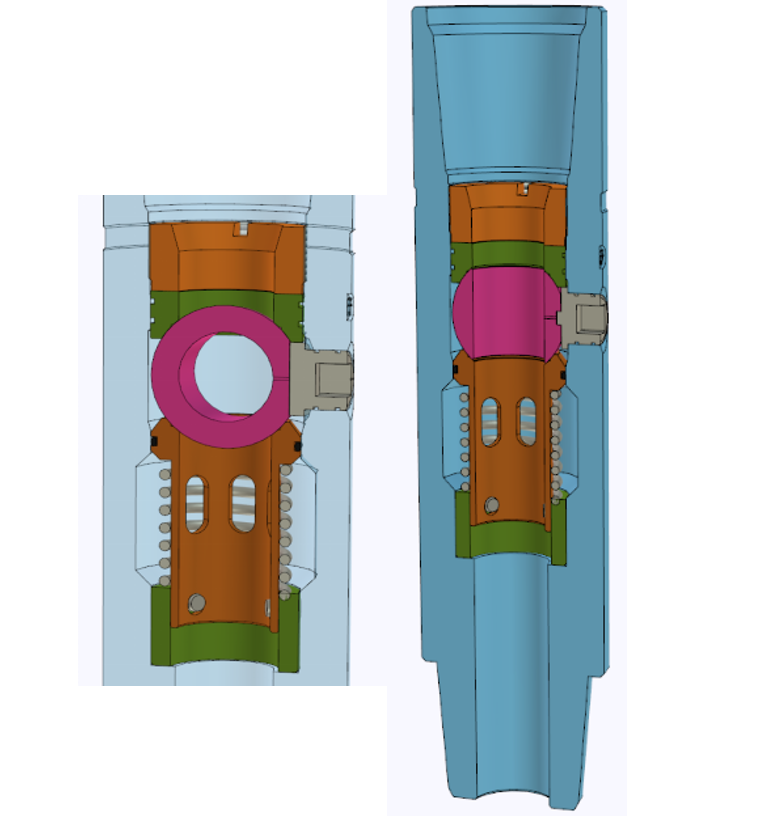
- Plate-Type (Flapper) Check Valves: Utilize a hinged circular plate or flapper that swings open parallel to the fluid stream during active pumping. When flow reverses, the plate slams or swings back against a precision-lapped seat. This design offers a wide, unobstructed full-bore flow path when open, minimizing parasitic pressure drop across the sub.
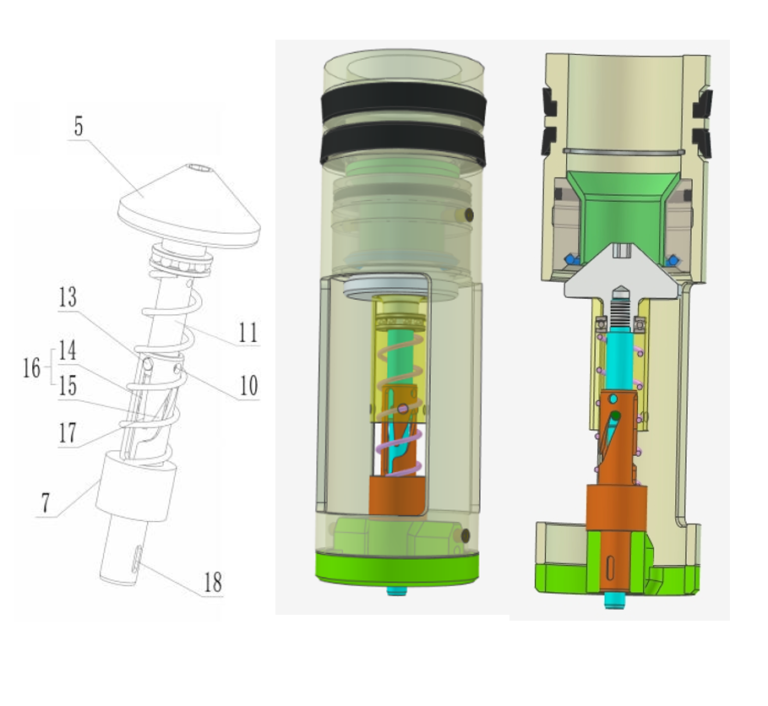
- Arrow-Type (Dart/Plunger) Check Valves: Feature a streamlined, axial-guided dart or arrow-shaped plunger that moves vertically along a central guide cage against a heavy-duty spring. The fluid splits evenly around the aerodynamic body of the dart, creating stable, centered seating dynamics upon flow closure.
2. Key Operational Advantages and Trade-Offs
- Erosion and Abrasive Wear: Plate-type valves provide superior flow area, reducing fluid velocity erosion in high-rate, sand-laden muds, though the hinge pin can experience fatigue over extended cycles. Arrow-type valves offer exceptional centering stability and prevent eccentric wear, but their central bodies create slight flow restriction and higher turbulence.
- Response Time and Sealing Reliability: Arrow-type valves typically feature rapid, spring-assisted snap-shut action, making them ideal for high-frequency pressure pulsing environments. Plate-type valves rely heavily on the initial fluid reversal surge to initiate closure, making them sensitive to low-rate U-tubing initiation.
- Maintenance and Durability: Arrow designs are generally easier to service on the rig floor with modular drop-in kits, whereas plate valves require precise hinge and seat alignment to prevent micro-leakage.
3. Engineering for Specific Downhole Regimes
- Fluid Viscosity and Solid Loading: Selecting between the two architectures depends heavily on mud weight and lost circulation material (LCM) presence. High-solids or fiber-heavy muds can foul arrow-type guides, making plate designs more favorable, while clean, high-pressure synthetic muds maximize arrow longevity.
- Dynamic Fatigue Resistance: Modern engineering optimizes both styles using advanced alloy housings and tungsten carbide-faced sealing tips to survive millions of cyclic open-and-close pulses.
4. 结论
Neither check valve design is universally superior; rather, selection depends entirely on the operational profile of the well. By understanding the distinct sealing dynamics of plate-type versus arrow-type check valves, engineers can match the right mechanical barrier to specific drilling conditions, ensuring absolute wellbore safety and flow efficiency.