


Anti Splash Valve vs Bypass Valve: How to Protect Equipment and Improve Drilling Safety
n drilling operations, not all risks come from downhole.
Many incidents occur at surface during pipe handling and fluid circulation, where uncontrolled fluid discharge can lead to:
- Safety hazards
- Equipment contamination
- Environmental risks
Two simple but highly effective tools can significantly reduce these risks:
👉 Anti Splash Valves
👉 Bypass Valves
1. What Is an Anti Splash Valve?
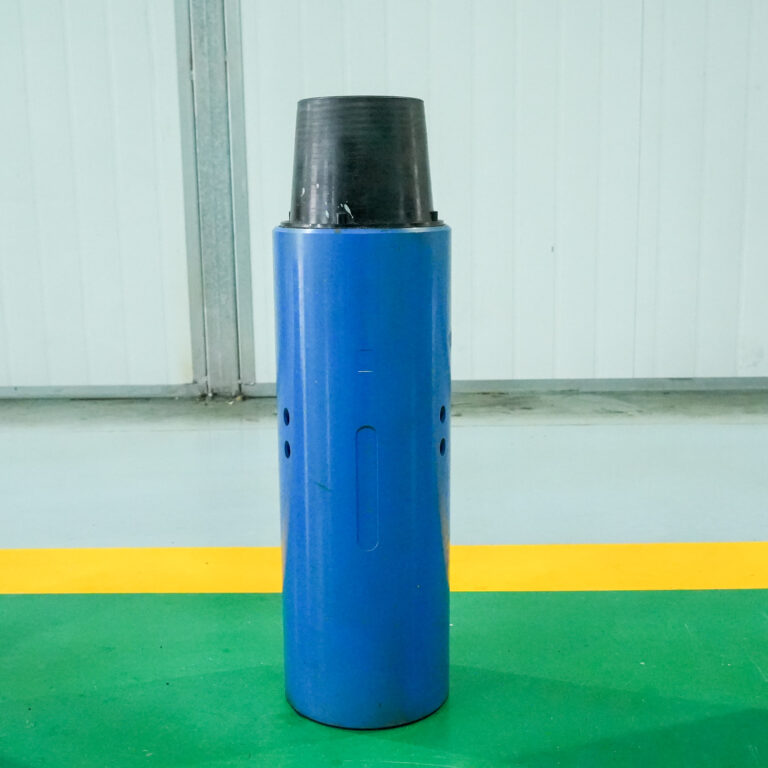
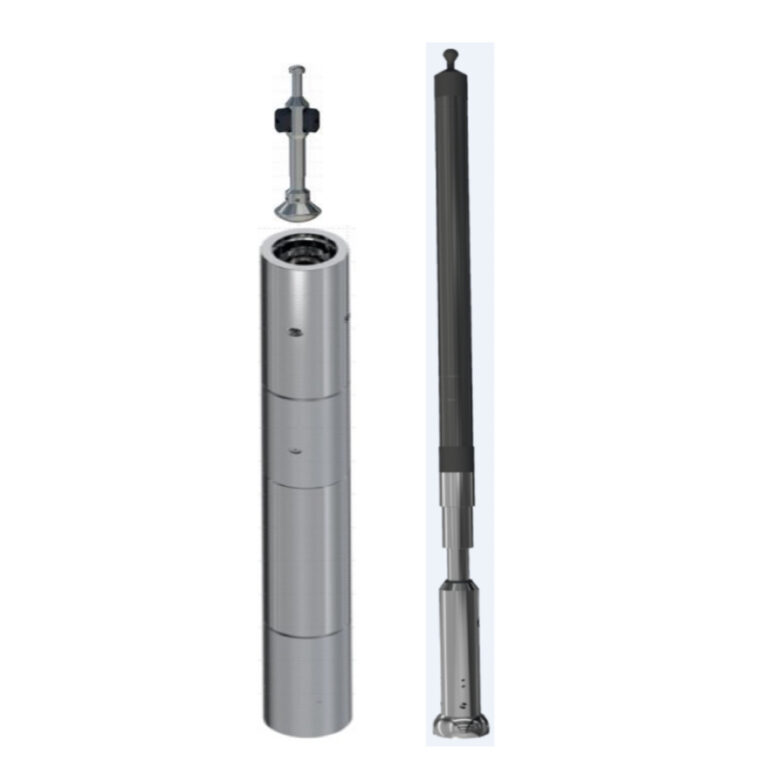
An Anti Splash Valve is installed in the drill string or pipe connections to prevent drilling fluid from splashing out during disconnection or handling.
Key Functions
✔ Prevent uncontrolled fluid discharge
✔ Improve workplace safety
✔ Reduce contamination risks
Typical Applications
- Pipe tripping operations
- Drill pipe connections/disconnections
- Surface handling of fluid-filled pipes
2. What Is a Bypass Valve?
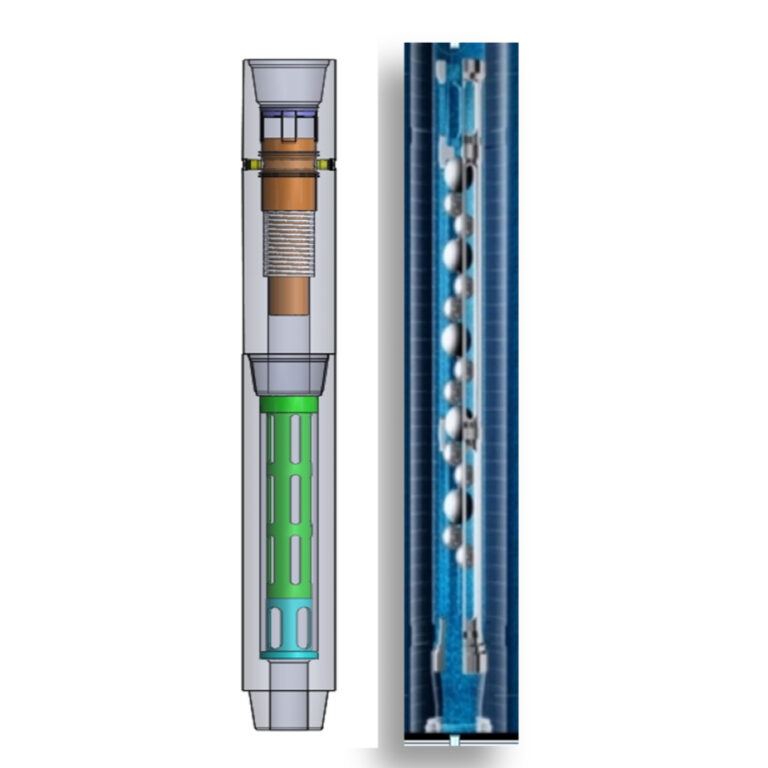
A Bypass Valve allows controlled fluid flow around a restriction or blockage in the system.
Key Functions
✔ Pressure equalization
✔ Controlled fluid diversion
✔ Prevent pressure spikes
Typical Applications
- During circulation
- When pressure balancing is required
- In complex BHA configurations
3. Key Differences
| Aspect | Anti Splash Valve | Bypass Valve |
|---|---|---|
| Main Function | Prevent fluid splash | Control/redirect flow |
| Location | Surface / pipe handling | Downhole / circulation system |
| Safety Role | Personnel protection | Pressure management |
| Operation | Passive | Active / pressure-based |
4. Why These Tools Matter
🔹 Anti Splash Valve – Safety First
Without anti splash protection:
- Fluid can spray during pipe break-out
- Risk of injury increases
- Work environment becomes hazardous
👉 A small tool that significantly improves HSE performance
🔹 Bypass Valve – System Stability
Without bypass control:
- Pressure spikes can occur
- Circulation efficiency drops
- Risk of tool damage increases
👉 Essential for smooth drilling operations
5. Application-Based Selection Guide
Choose Anti Splash Valve When:
- Frequent pipe connections/disconnections
- High fluid retention in drill string
- Strict safety requirements
Choose Bypass Valve When:
- Complex BHA configurations
- Pressure fluctuation issues
- Need for controlled fluid circulation
6. Best Practice: Combined Usage
In many operations, both tools are used together:
- Anti Splash Valve → Surface safety
- Bypass Valve → Downhole efficiency
👉 This ensures full-system protection
7. Engineering Considerations
When selecting these valves, consider:
- Pressure rating
- Fluid type (OBM / WBM)
- Connection compatibility
- Flow characteristics
- Maintenance requirements
8. Field Insight
Operators often underestimate these tools until problems occur:
Common issues without proper valves:
- Fluid spray incidents
- Pressure imbalance
- Equipment wear
After implementation:
✔ Improved safety records
✔ Cleaner operations
✔ More stable circulation
Conclusion
Small tools, big impact.
- Anti Splash Valve → Protects people
- Bypass Valve → Protects systems
Together, they improve:
✔ Safety
✔ Efficiency
✔ Operational control