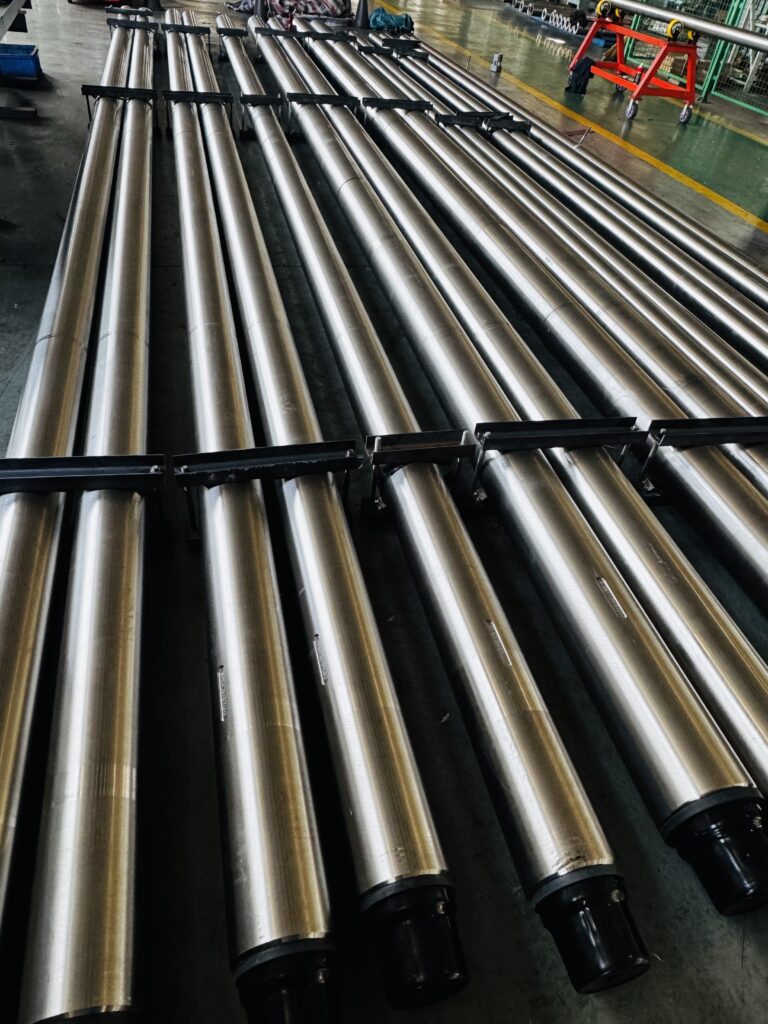



Pressure-Rated Drill Pipe: Heavy-wall tube architecture and double-shoulder connections (S-135/V-150) for extreme HPHT endurance vs. standard commercial drill pipe
Drilling deep, ultra-extended-reach, and high-pressure high-temperature (HPHT) wells exposes the drill string to punishing internal mud pressures, massive axial tension, and extreme cyclic torsional loading. Standard commercial drill pipes frequently fail under these severe conditions due to wall thinning, connection fatigue, and pressure containment limitations. When evaluating Pressure-Rated Drill Pipe: Heavy-wall tube architecture and double-shoulder connections (S-135/V-150) for extreme HPHT endurance vs. standard commercial drill pipe, the engineering necessity for specialized high-integrity tubulars becomes absolute. Unlike conventional commercial pipe, the heavy-duty Pressure-Rated Drill Pipe combines a robust heavy-wall tube geometry with high-strength steel grades (S-135 and V-150) and double-shoulder tool joint connections, ensuring absolute pressure integrity and structural survival in extreme HPHT environments.
1. Engineering Architecture of HPHT Drill Pipe
Unlike standard commercial drill pipe designed for conventional shallow or medium-depth wells, pressure-rated tubulars feature an advanced, reinforced architecture:
- Heavy-Wall Tube Geometry: Engineered with optimized wall thicknesses and tight manufacturing tolerances to withstand high internal burst pressures and heavy external collapse loads in deep wells.
- Ultra-High-Strength Steel Grades: Manufactured from premium alloy steels graded S-135 and V-150, delivering exceptional yield strength (up to 150,000 psi minimum yield) to handle extreme axial tension and hookloads.
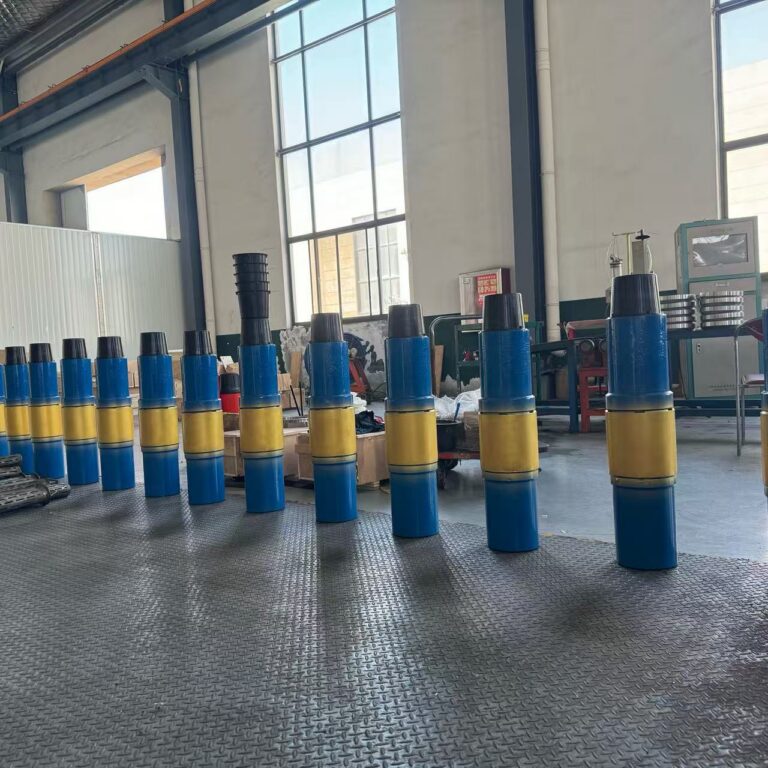
- Double-Shoulder Connection Technology: Utilizes specialized tool joints with dual seating shoulders that share torque loads, preventing connection over-torque, thread stretching, and fatigue failure during high-rpm rotating operations.
2. Key Operational Advantages
- Superior HPHT Pressure Endurance: Withstands extreme internal fluid pressures and high-density mud circulation without risking tube ballooning, leakage, or burst failures.
- Enhanced Torsional and Fatigue Resistance: Double-shoulder connections provide significantly higher torsional capacity compared to standard API connections, preventing twist-offs in long laterals.
- Extended Service Life in Harsh Environments: Resists rigorous cyclic bending and abrasive wear, dramatically lowering failure rates and reducing costly fishing operations in deep wells.
3. Downhole Durability and Specifications
Compliant with strict API Spec 5DP and international quality standards, these drill pipes undergo rigorous non-destructive testing (NDT), full-length wall thickness audits, and premium hardbanding applications to guarantee zero-defect field reliability.
4. Conclusion
Pushing the boundaries of deep and HPHT drilling requires uncompromised tubular strength. By replacing standard commercial pipe with the heavy-wall, double-shoulder Pressure-Rated Drill Pipe (S-135/V-150), operators secure absolute structural integrity, enhanced pressure containment, and reliable performance in the harshest downhole environments.