


Maximizing Downhole Tool Lifespan: A System-Level Approach with Filtration, Stabilization, and Calibration
Introduction
In drilling operations, tool failure is rarely caused by a single factor.
Most failures result from a combination of issues, including:
- Poor filtration
- Excessive vibration
- Measurement inaccuracies
- Harsh downhole conditions
👉 The key to maximizing tool lifespan is not a single tool—but a system-level optimization strategy.
1. The Three Core Pillars of Tool Longevity
To extend downhole tool life, three critical elements must work together:
① Filtration – The First Line of Defense
Objective: Protect tools from solids and debris
Key Tools
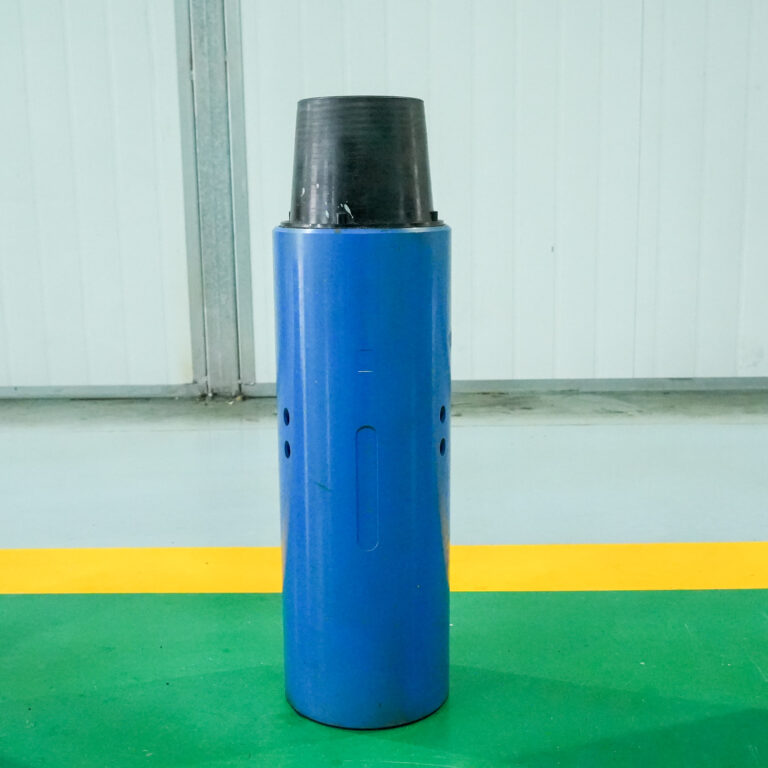
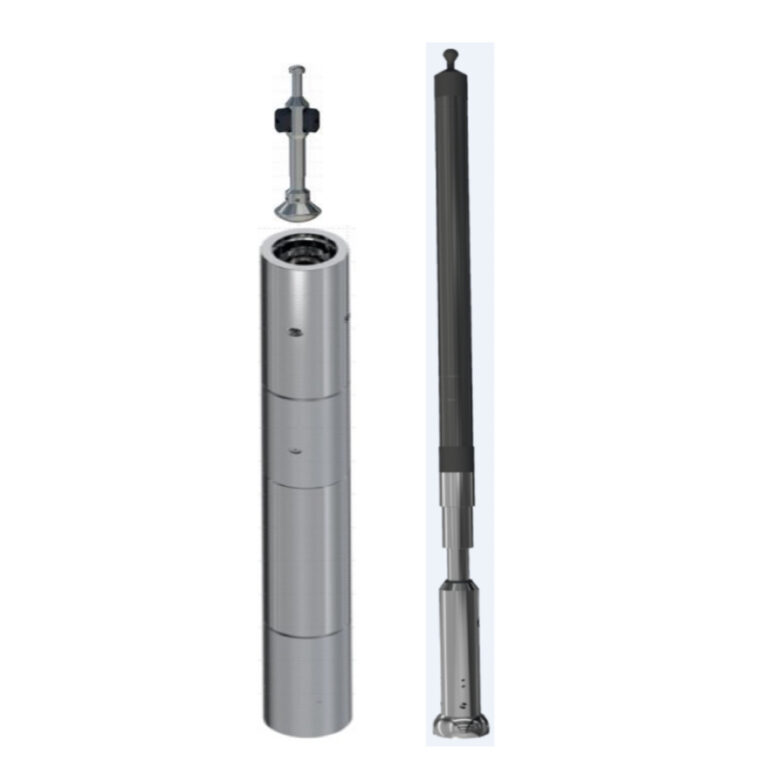
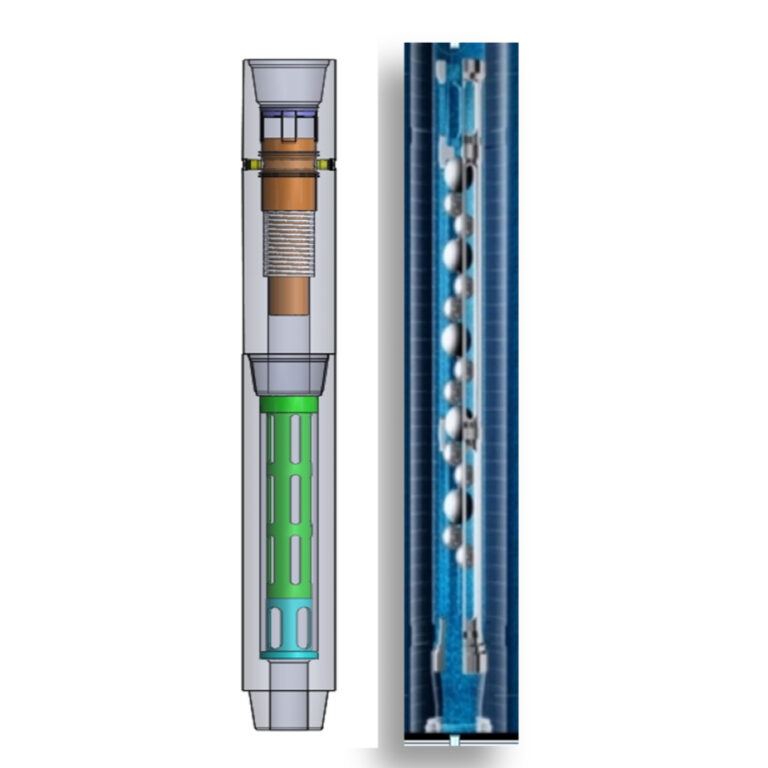
- Filter Sub
- Drill Pipe Filter
Why It Matters
Solid particles can:
- Damage internal components
- Block valves and flow paths
- Reduce MWD signal quality
Best Practice
👉 Use dual filtration system:
- Primary filtration (Drill Pipe Filter)
- Final protection (Filter Sub near MWD)
② Stabilization – Controlling Mechanical Stress
Objective: Reduce vibration, shock, and tool wear
Key Tools
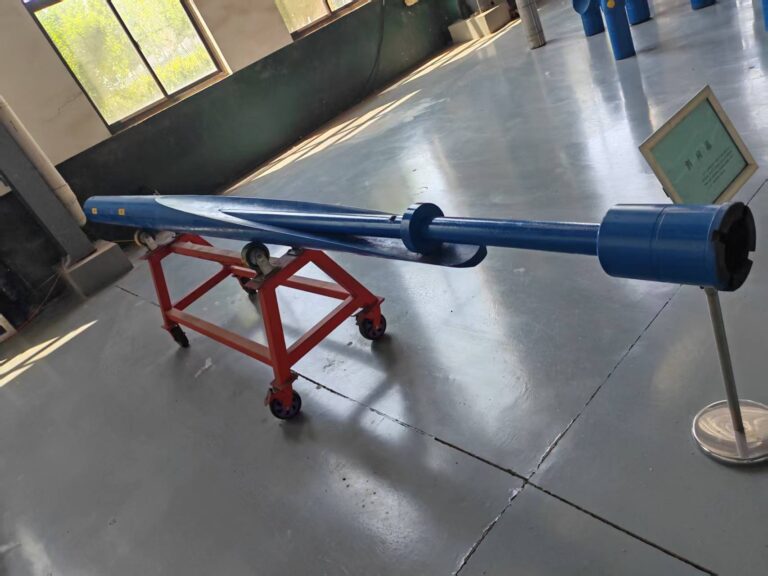
- Integral Stabilizer
- Adjustable Stabilizer
Why It Matters
Uncontrolled vibration leads to:
- Tool fatigue
- Connection damage
- Signal instability
Best Practice
- Optimize stabilizer placement
- Use spiral blade designs
- Match stabilizer type to formation
③ Calibration – Ensuring Measurement Accuracy
Objective: Guarantee reliable data and reduce correction runs
Key Systems
- Intelligent calibration platforms
Why It Matters
Measurement errors can cause:
- Incorrect well trajectory
- Additional drilling corrections
- Increased tool usage and wear
Best Practice
- Perform full calibration before deployment
- Use automated, high-precision systems
2. The Missing Link: Interaction Between Systems
Most operators treat these elements separately—but they are deeply interconnected.
Example 1: Filtration + Calibration
Poor filtration → debris enters tool → sensor interference → calibration drift
Example 2: Stabilization + Filtration
High vibration → loosens debris → increases contamination risk
Example 3: Stabilization + Calibration
Vibration → measurement noise → reduced data accuracy
👉 Conclusion:
Ignoring system interaction leads to compounding failures
3. Advanced Optimization Strategy
To truly maximize tool lifespan, operators should implement:
✔ Integrated BHA Design
- Combine filtration, stabilization, and protection tools
✔ Real-Time Monitoring
- Track vibration, pressure, and signal quality
✔ Pre-Run Testing
- Calibration (Day 17)
- High-temperature testing (Day 18)
✔ Proper Tool Matching
- Match tools to:
- Well depth
- Formation type
- Mud system
4. Field Results
Operators using system-level optimization have reported:
✔ 30–50% increase in tool lifespan
✔ Reduced non-productive time (NPT)
✔ Improved drilling efficiency
✔ Lower maintenance costs
5. Common Mistakes to Avoid
❌ Focusing only on one tool (e.g., filtration only)
❌ Ignoring vibration control
❌ Skipping calibration or testing
❌ Using generic BHA design for all wells
Conclusion
Extending downhole tool life is not about buying better tools—it’s about designing a better system.
- Filtration protects
- Stabilization controls
- Calibration ensures accuracy
👉 Together, they create a high-reliability drilling system