


How Kelly Cocks Protect Drill Strings in Emergency Situations: The Final Manual Barrier
In the high-stakes world of oil and gas drilling, well control is maintained through multiple layers of redundancy. While automated systems and hydrostatic pressure provide the primary defense, mechanical barriers are essential when unexpected kicks occur. Among these mechanical barriers, the Kelly Cock, also known as a Kelly Valve, is a crucial, hand-operated component designed to isolate the drill string from surface equipment in emergency situations.
1. Defining the Kelly Cock: More Than Just a Ball Valve
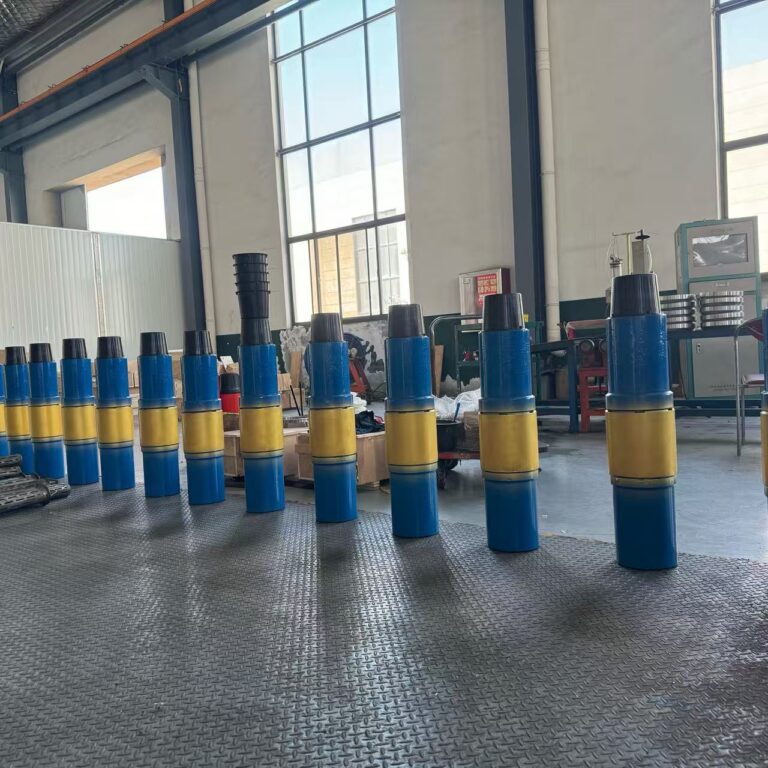
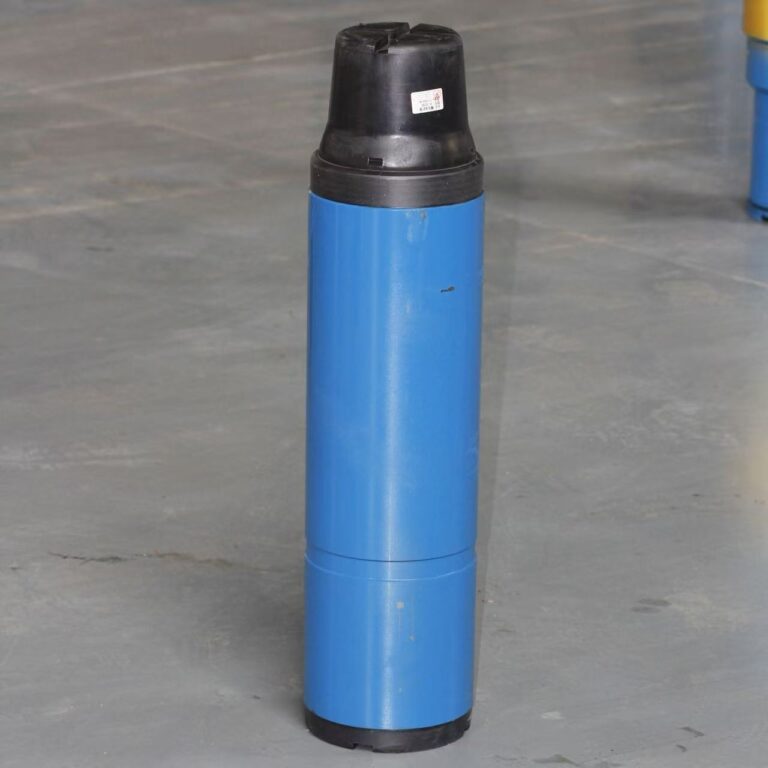
A Kelly Cock is a high-pressure ball valve positioned within the drill string at the surface. It serves as an Internal Blowout Preventer (IBOP). While modern top drives have integrated these functions, the term “Kelly Cock” remains industry standard for these surface-mounted isolation valves.
Its primary function is to provide a positive, manual seal against upward flow (backflow) from the wellbore. This is particularly vital because, unlike downhole check valves (which automatically seal), a Kelly Cock allows operators to maintain absolute control over when the drill string is sealed and when it is open.
2. Redundancy is Key: Upper vs. Lower Kelly Valves
To ensure maximum safety, a standard Kelly configuration utilizes two distinct valves:
The Upper Kelly Valve
- Location: Positioned between the swivel and the Kelly (or integrated at the top of a top drive).
- Function: Its main role is to protect the swivel, rotary hose, and mud pumps from high downhole pressure. If a kick bypasses the lower BOPs, closing the Upper Kelly Valve prevents formation fluids and gases from rupturing surface equipment.
The Lower Kelly Valve (or Drill Pipe Safety Valve)
- Location: Positioned at the bottom of the Kelly, just above the drill pipe connection.
- Function: This valve acts as a primary drill string isolation point. It is essential for containing pressure within the drill string itself and prevents mud from spilling everywhere when making a connection, which can be a significant fire hazard if oil or gas is present in the mud.
3. Emergency Activation: The “Final Manual Stop”
In a well control emergency (a kick), the sequence of events is critical. If automated downhole tools fail or cannot provide a bubble-tight seal, the Kelly Cock becomes the drill team’s last line of defense.
Because it is manually operated by the driller using a specialized wrench, its functionality is not dependent on power, hydraulics, or electronic sensors. This rugged, independent design makes it incredibly reliable in catastrophic scenarios where power systems might have already failed.
4. Operational Durability and Material Science
Kelly Valves are subjected to some of the harshest conditions on the rig floor. They must withstand:
- High Circulation Pressures: Handling the full velocity of drilling mud.
- Torsional Stress: Withstanding the massive torque generated by the top drive or rotary table.
- Corrosive Fluids: Resisting erosion from sand and corrosion from acid gases ($H_2S$ and $CO_2$).
Our Kelly Cocks are manufactured from premium, heat-treated alloy steel. The ball and seat are often enhanced with specialized hard-facing coatings like Tungsten Carbide to ensure that even after months of use, the valve can still achieve a zero-leakage seal when an emergency demands it.
5. Maintenance: Non-Negotiable Reliability
A safety valve is only useful if it works. Rigorous maintenance protocols for Kelly Valves are non-negotiable:
- Functional Testing: Regularly opening and closing the valve to ensure smooth operation.
- Pressure Testing: Cyclic high-pressure testing to verify seal integrity.
- Dimensional Inspection: Monitoring erosion patterns on the internal bore and ball.
6. Conclusion
The Kelly Cock is a classic example of “simple engineering done right.” It is a rugged, reliable, manual barrier that provides the drilling crew with an absolute means of pressure containment at the surface. When every second counts in a well control emergency, the Kelly Cock provides the peace of mind that comes from a mechanical, fail-safe seal. Investing in high-quality, precision-engineered Kelly Cocks is a fundamental aspect of modern rig safety.