


Alloy Rotary Casing Wear-Resistant Joint: Maximum Durability Against Casing Abrasion
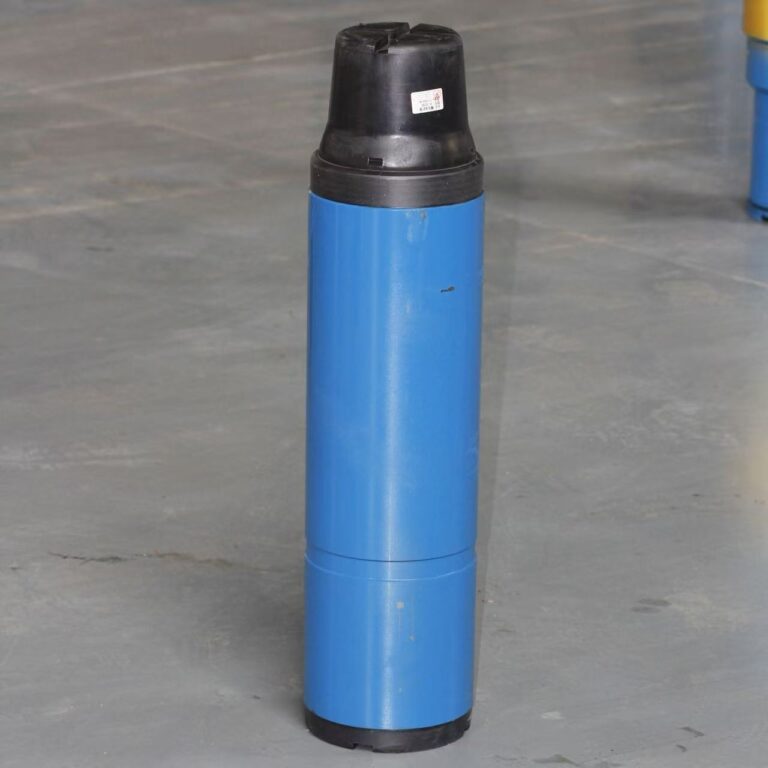
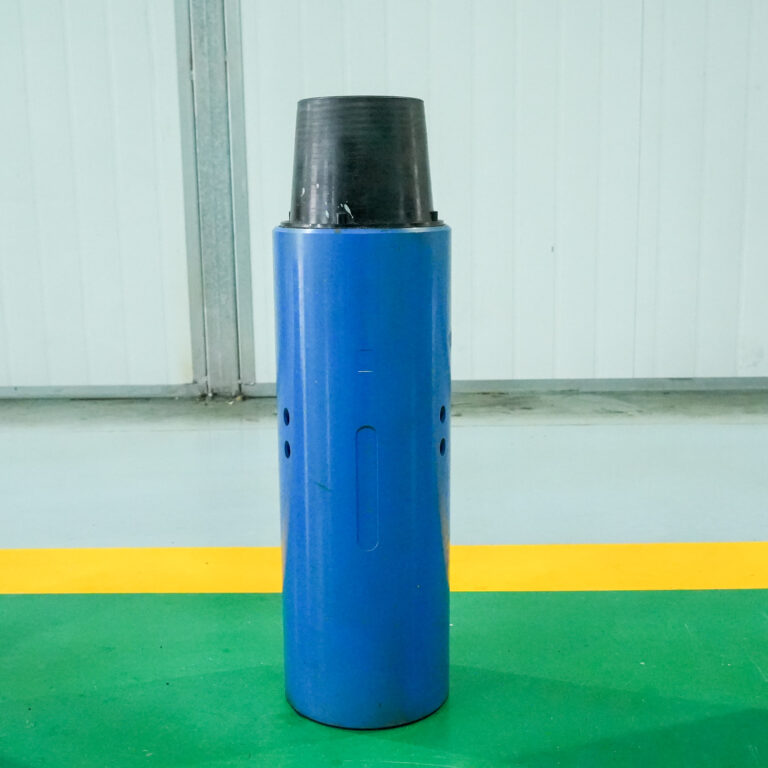
While elastomeric protectors excel in lower-temperature, moderate-load environments, drilling deep, high-temperature extended laterals with abrasive rock formations often exceeds the thermal and mechanical limits of rubber. In these extreme drilling conditions, high-RPM rotation and heavy side-loads can shred elastomeric elements, exposing the casing to severe metal-on-metal wear. To deliver uncompromised wellbore protection under punishing downhole conditions, operators deploy the Alloy Rotary Casing Wear-Resistant Joint. Engineered with high-strength metallic substrates and advanced tungsten-carbide hardfacing, this heavy-duty tool provides maximum durability and wear resistance where elastomer options fail.
1. The Advanced Engineering Architecture of All-Metal Hardfacing
Unlike surface-protected rubber joints, alloy wear-resistant joints rely on advanced metallurgical engineering and wear-resistant hardfacing matrices fused directly onto high-strength steel tool bodies.
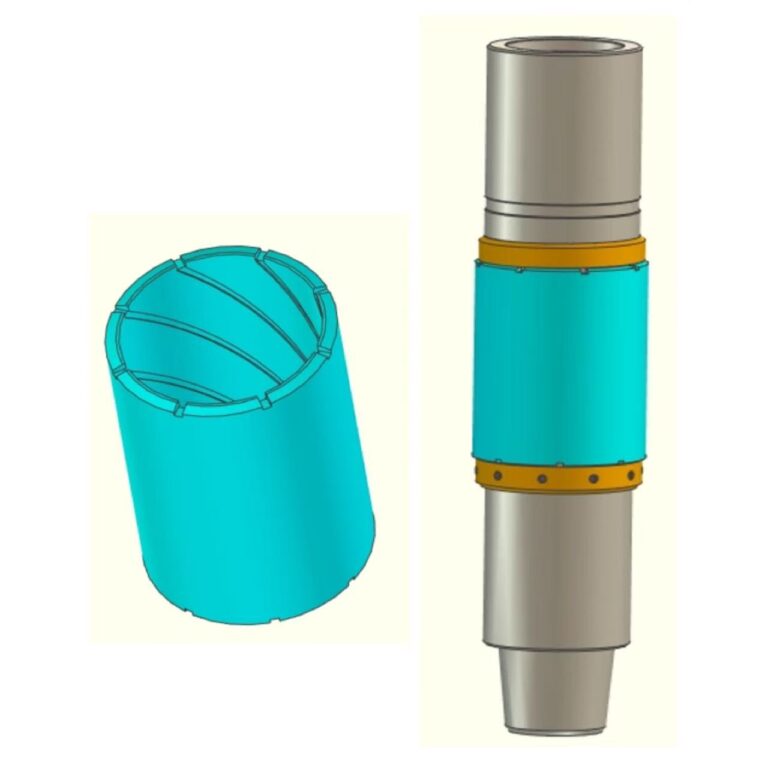
- Tungsten-Carbide Hardfacing Bands: Outer contact pads and extended ribs are armored with crushed tungsten-carbide particles embedded in a tough nickel-chrome or cobalt-base matrix, offering superior resistance to abrasive gouging.
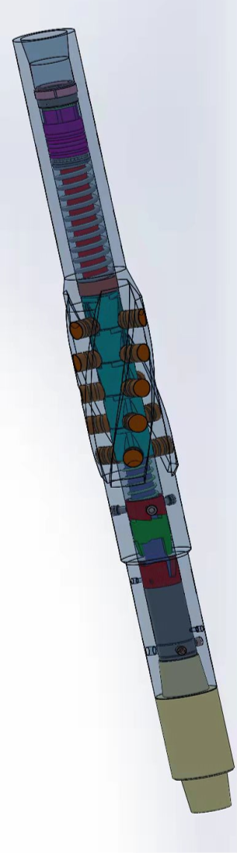
- Optimized Contact Geometry: Engineered spiral or straight blade profiles distribute side-loads evenly across the casing inner diameter, preventing point-source grooving and localized casing thinning.
- Flush-Mounted Tool Sub Integration: Seamlessly integrated into the drill string with high-integrity tool joint threads, ensuring smooth hydraulic flow and preventing flow restriction in the annulus.
2. Key Operational Advantages and Performance Metrics
- Extreme Thermal and Pressure Endurance: Withstands bottom-hole temperatures exceeding 200°C ($400^\circ\text{F}$) and severe hydraulic shock environments where elastomeric sleeves would fail or degrade.
- Maximum Casing Protection in Abrasive Formations: Protects intermediate and production casing strings from aggressive metal-on-metal wear during long rotary drilling and sliding transitions.
- Exceptional Structural Longevity: Re-hardsurfaceable alloy bodies can be resurfaced and repaired multiple times, drastically reducing operational tooling costs over multi-well drilling programs.
3. Engineering for Harsh Downhole Environments
- Premium Sour-Service Metallurgy: Forged from high-grade alloy steels compliant with NACE standards to resist sulfide stress cracking and high tensile bending fatigue in sour reservoirs.
- Optimized Friction Reduction Matrix: Advanced hardfacing formulations reduce the coefficient of friction against steel casing while maintaining aggressive abrasion-resistant properties.
4. Conclusion
When drilling environments push equipment to the absolute edge, metallic durability is non-negotiable. By combining heavy-duty alloy construction with advanced tungsten-carbide hardfacing, the Alloy Rotary Casing Wear-Resistant Joint guarantees maximum protection against casing abrasion, securing wellbore integrity in the world’s most demanding wells.