


Self-Priming Float Valves Explained:Mastering Instantaneous Wellbore Safety and Pressure Integrity
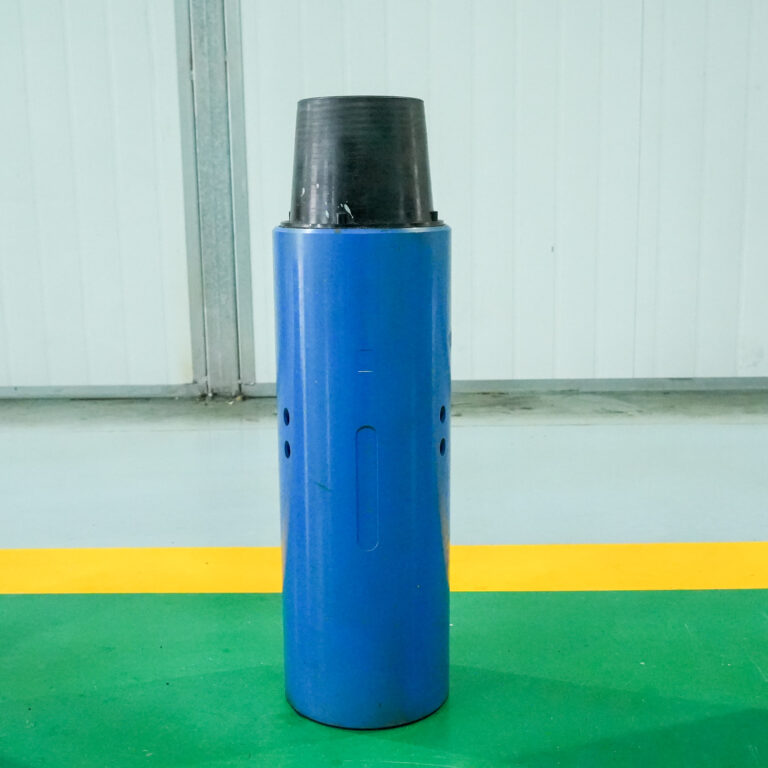
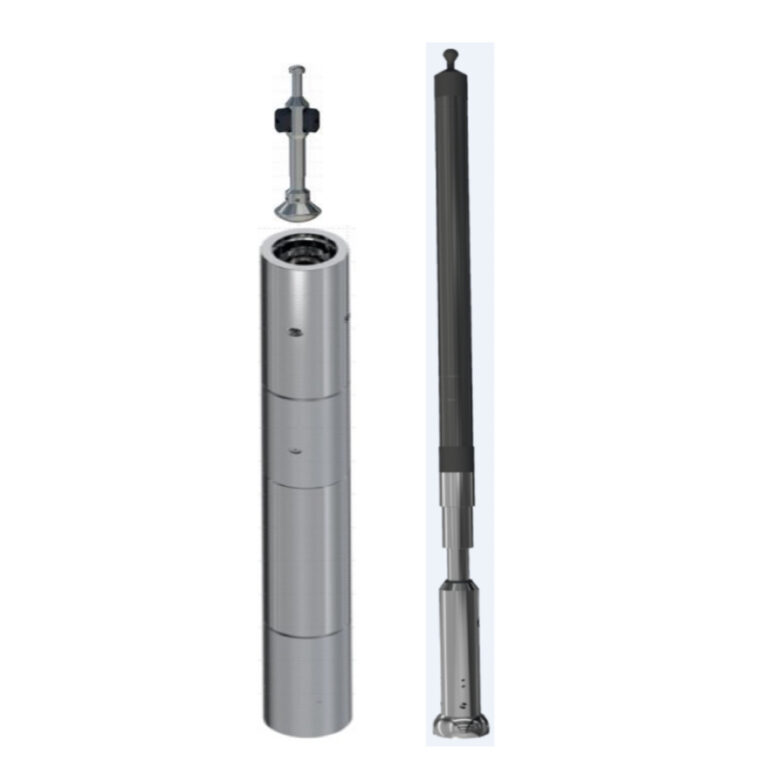
In well control, the speed at which a check valve engages can be the difference between a minor incident and a serious blowout. The Self-Priming Float Valve is designed to eliminate the latency associated with traditional check valves. By utilizing a unique internal hydraulic architecture, these valves “prime” themselves to ensure that a seal is established the instant the pump pressure is removed.
1. The “Self-Priming” Mechanism
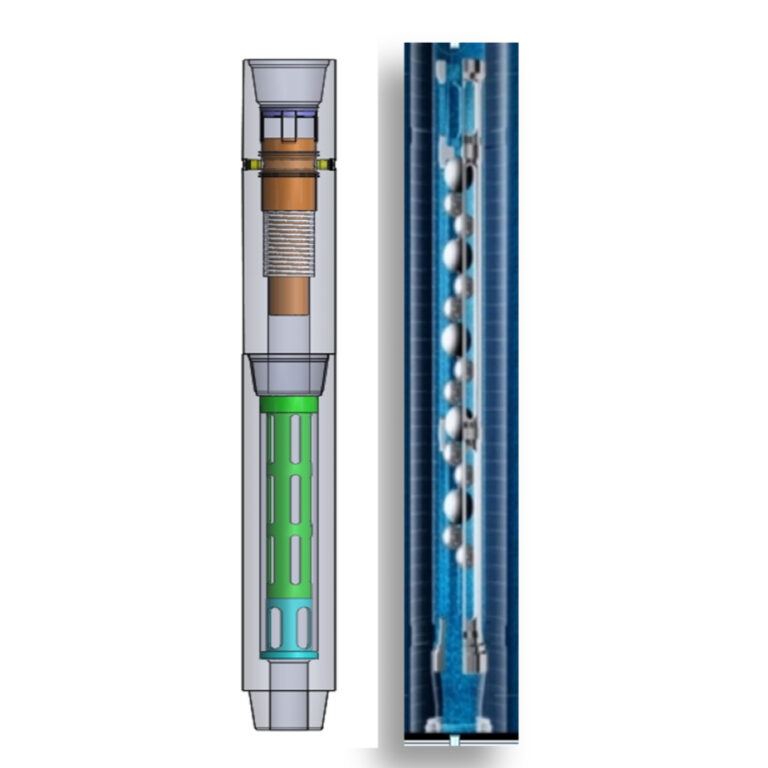
Unlike standard spring-loaded float valves that rely solely on mechanical force to close, a self-priming float valve uses the pressure differential inherent in the wellbore to maintain a state of “readiness.” The internal design allows fluid to interact with a balance chamber, which forces the valve element into the closed position with greater velocity and reliability than a spring alone.
2. Key Operational Advantages
- Immediate Response: Because the valve is “primed” by the hydrostatic and dynamic forces of the drilling fluid, the reaction time to a back-flow event is virtually instantaneous.
- Positive Sealing: The priming effect ensures that the seal is not just closed, but held firmly against the seat, preventing even minor amounts of gas migration that might bypass a weaker spring-loaded valve.
- Increased Reliability in Gas-Cut Mud: In wells where gas-cut mud is common, the low density of the fluid can sometimes hinder the closure of standard valves. The self-priming mechanism overcomes this density issue, ensuring the valve functions regardless of fluid weight.
3. Engineering for Safety
- Fail-Safe Design: These valves are engineered so that even if the priming mechanism experiences a partial obstruction, the secondary mechanical spring continues to function, providing redundant protection.
- Robust Seat Materials: To maintain the efficacy of the priming seal, the valve seats are manufactured from wear-resistant alloys to prevent erosion from high-velocity mud flow.
4. Conclusion
The Self-Priming Float Valve is a significant advancement in drill string safety. By leveraging the physical dynamics of the drilling environment to enhance valve performance, it offers an extra layer of security that operators in high-risk zones rely on. Choosing a self-priming system is a proactive step toward ensuring wellbore integrity and mitigating the risks associated with unexpected pressure surges.