


Adaptive Subsurface Control: Dynamic Wellbore Shaping with Variable-Diameter Stabilizers
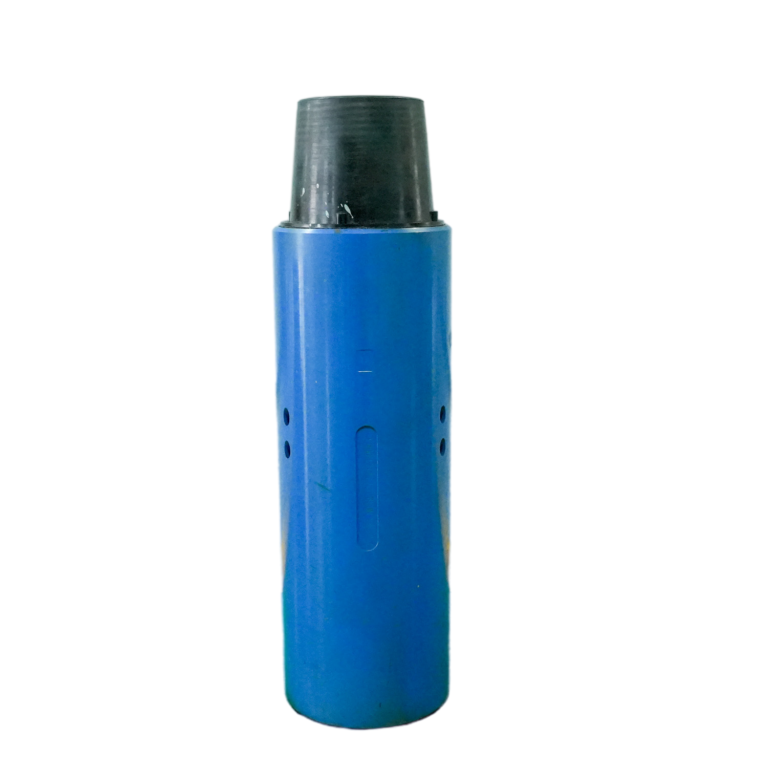
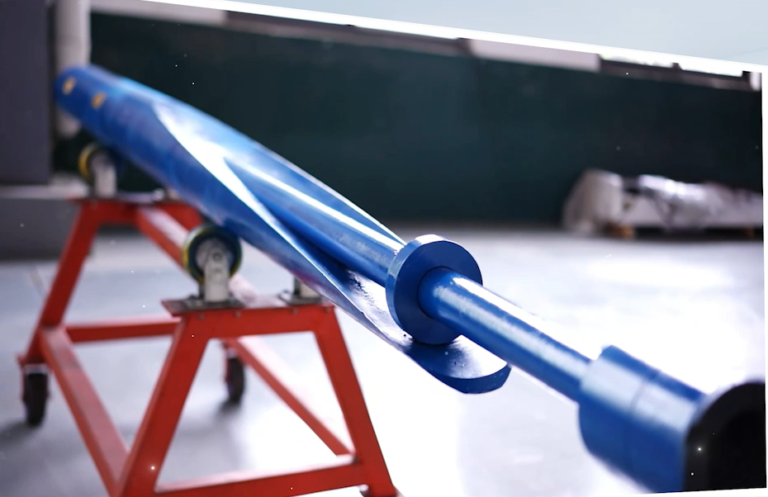
In complex directional and horizontal drilling, maintaining optimal wellbore geometry is a constant balancing act. Traditional fixed-blade stabilizers offer rigid stabilization but lack the flexibility to adapt when the BHA transitions between varying lithologies, curve sections, and extended laterals. Enter the Variable-Diameter Stabilizer (VDS)—an advanced electromechanical tool that allows drillers to adjust blade gauge dynamically from the surface, revolutionizing real-time wellbore control and BHA steering performance.
1. The Mechanics of Variable-Diameter Stabilization
Unlike conventional fixed-blade stabilizers that maintain a static outer diameter (OD), variable-diameter tools utilize hydraulic or electromechanical actuation to expand or contract their blades on command.
- Active Blade Manipulation: Controlled via mud-pulse telemetry commands or wired drill pipe communication, internal actuators shift tapered wedges or pistons to push the stabilizer blades outward or retract them inward.
- Dynamic Gauge Adjustments: The driller can transition the tool from under-gauge to full-gauge (or vice versa) while drilling, instantly altering the directional tendencies of the BHA without pulling out of the hole.
2. Key Operational Advantages
- Optimized Build and Turn Rates: Expanding the stabilizer blades in a curve section alters the fulcrum point, increasing build rates and reducing sliding friction. Retracting them in a lateral section reduces side-forces and improves sliding transfer.
- Mitigating Ledge and Washout Issues: When encountering unstable formations or washed-out intervals, adjusting the stabilizer diameter prevents torque spikes and prevents the tool from hanging up during trips.
- Eliminating Tripping Trips: Eliminates the need to pull out of the hole solely to change out BHA stabilizer sizes when changing from a curve interval to a long lateral.
3. Engineering for Downhole Endurance
- High-Load Actuation Mechanics: Internal shifting mechanisms are engineered to withstand massive radial side-loads, high torsional vibrations, and abrasive mud exposure without binding.
- Tungsten-Carbide Blade Armoring: Because the active blades bear the brunt of wellbore contact, their outer faces are heavily overlaid with premium tungsten carbide inserts (TCI) for maximum wear resistance.
4. Conclusion
Variable-diameter stabilizers transform stabilization from a passive, fixed design choice into an active, real-time control parameter. By giving operators the power to reshape BHA geometry downhole, Petrogears ensures maximum directional flexibility and drilling efficiency across every phase of the wellbore.