


Bypass Valve: Optimizing Fluid Routing and Annular Velocity Management
Managing fluid pathways and maintaining optimal annular velocity during drilling and wellbore cleanout operations is essential for operational success. Restrictive BHA configurations, complex well geometries, and heavy cuttings loads often strain surface pumping capacity. The standard Bypass Valve serves as a vital workhorse in the drilling string, engineered to optimize fluid routing, enhance annular velocity on demand, and protect sensitive downhole tools from excessive pressure drops.
1. The Advanced Engineering Architecture of Circulation Bypass
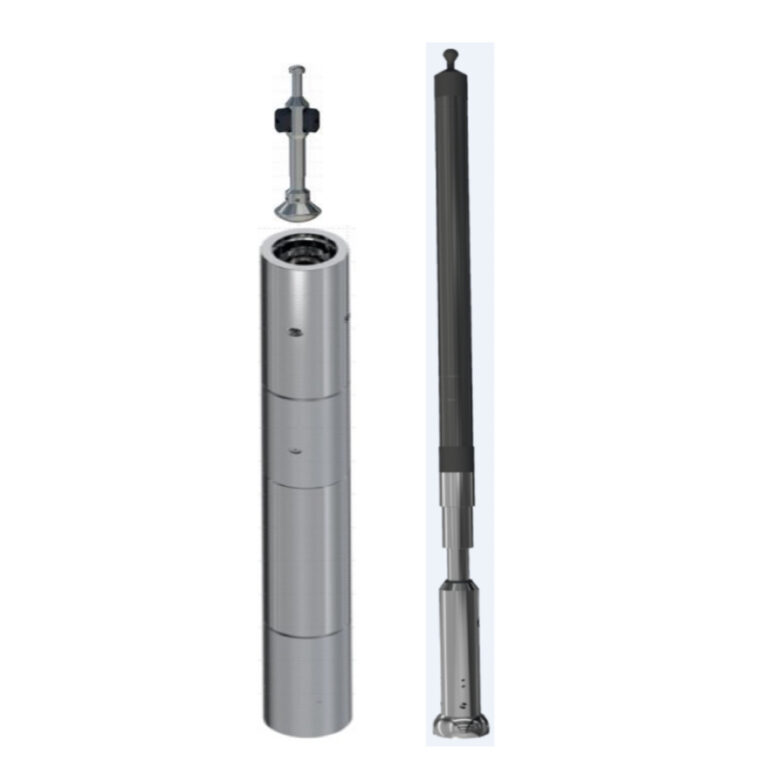
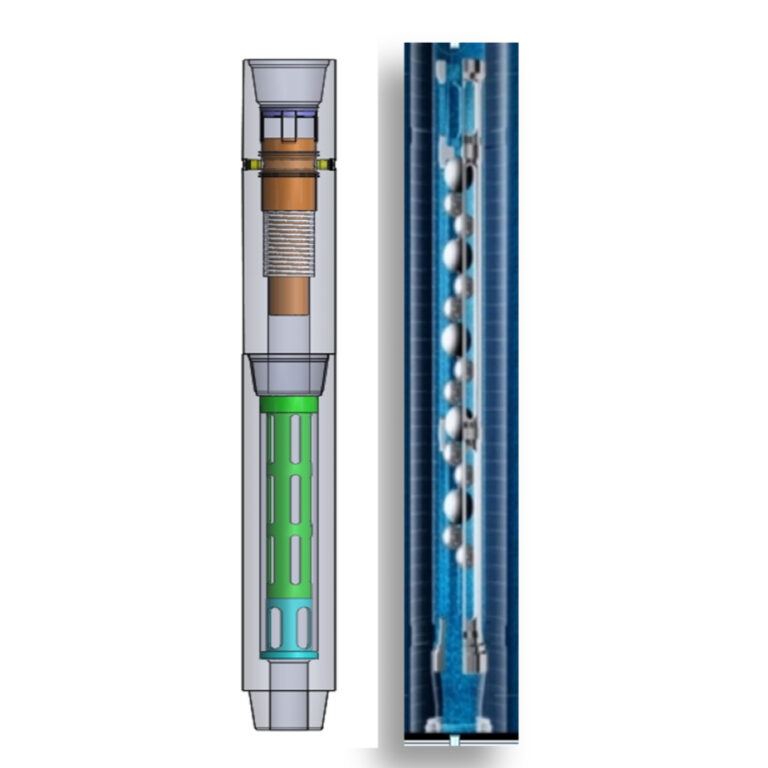
Standard bypass subs are engineered for robust reliability, utilizing a dependable mechanical shifting sleeve or drop-actuated mechanism to open direct fluid pathways from the drill string interior to the annulus.
- Direct Annular Porting: Strategic radial ports divert a controlled volume of drilling fluid directly above the BHA, bypassing restrictive bit nozzles or mud motors when high-volume sweeping is required.
- Positive Sealing Design: Utilizes high-integrity elastomeric and metal-to-metal backup seals to guarantee zero fluid leakage during normal, uninterrupted drilling phases.
- Interlocking Sleeve Security: Employs mechanical locking dogs to secure the sliding sleeve in either the fully open or fully closed position, preventing premature shifting under severe vibration.
2. Key Operational Advantages and Performance Metrics
- Optimized Cuttings Evacuation: Diverts mud flow to increase annular velocity, ensuring heavy drill cuttings, cavings, and barite sags are efficiently swept out of extended laterals.
- Protection Against Pressure Surges: Shields downhole MWD tools, logging probes, and motors from high-rate fluid spikes during displacement and cementing operations.
- Operational Simplicity: Provides a rugged, field-proven mechanical solution for routine fluid routing without the complexity of multi-cycle indexing systems.
3. Engineering for Harsh Downhole Environments
- Erosion-Resistant Tungsten-Carbide Inserts: Bypass ports and internal sealing edges are armored with high-grade tungsten carbide to withstand high-velocity abrasive fluid cutting.
- High-Strength Forged Alloy Body: Manufactured from premium sour-service steel grades to endure intense torsional torque, axial tension, and severe BHA bending fatigue.
4. Conclusion
Reliable fluid management is the foundation of a clean, trouble-free wellbore. By integrating robust bypass valves into your drill string, operators secure precise control over fluid routing and annular velocity, ensuring maximum uptime and operational safety across every phase of drilling.