


Alloy Rotary Casing Wear-Resistant Joint: Tungsten-carbide hardfaced metal matrix for extreme high-temperature (>200°C) and abrasive environments vs. temperature-limited rubber joints
While elastomeric wear joints perform exceptionally well in standard temperature regimes, deep HPHT wells and aggressive geothermal drilling environments featuring temperatures exceeding 200°C cause conventional rubber sleeves to soften, degrade, and fail rapidly. When evaluating Alloy Rotary Casing Wear-Resistant Joint: Tungsten-carbide hardfaced metal matrix for extreme high-temperature (>200°C) and abrasive environments vs. temperature-limited rubber joints, the necessity for rugged all-metal protection becomes clear. Unlike temperature-limited polymer or rubber joints, the heavy-duty Alloy Rotary Casing Wear-Resistant Joint utilizes a premium alloy steel body armored with an advanced tungsten-carbide hardfaced metal matrix, delivering exceptional wear resistance, structural stability, and torque reduction in the harshest thermal and abrasive conditions.
1. Engineering Architecture of All-Metal Casing Protection
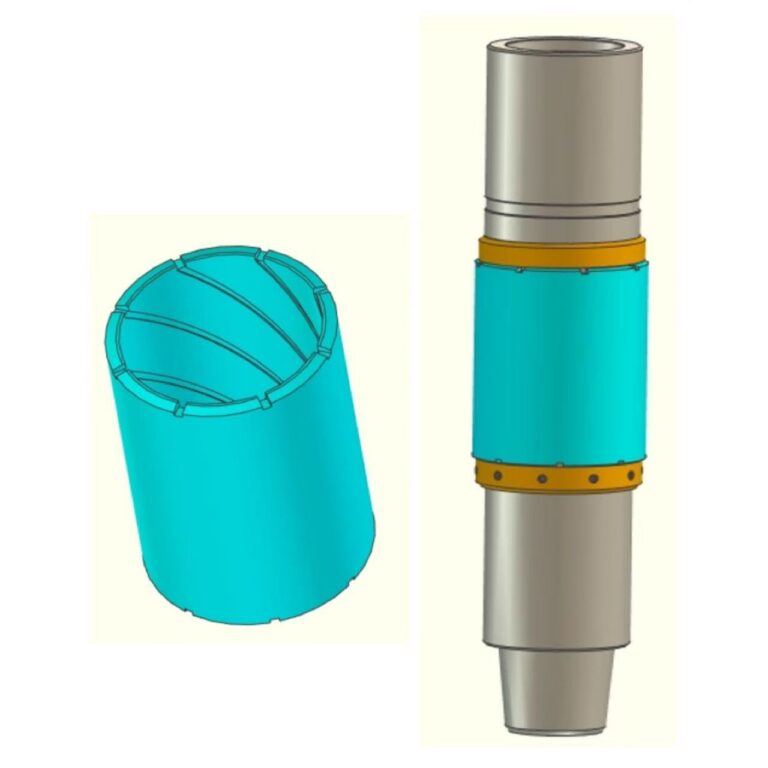
Unlike elastomeric designs that risk thermal breakdown, the alloy rotary casing wear-resistant joint relies on a robust, metallurgically bonded hardfaced architecture.
- Tungsten-Carbide Hardfaced Matrix: Critical contact surfaces are heavily armored with high-density tungsten-carbide particles embedded in a tough metallic matrix, providing extreme surface hardness and abrasion resistance.
- Isolated Torque-Reducing Collar: Creates a non-rotating or controlled-friction isolated section between the rotating drill string and the casing inner wall, reducing surface driving rotational torque by over 20%.
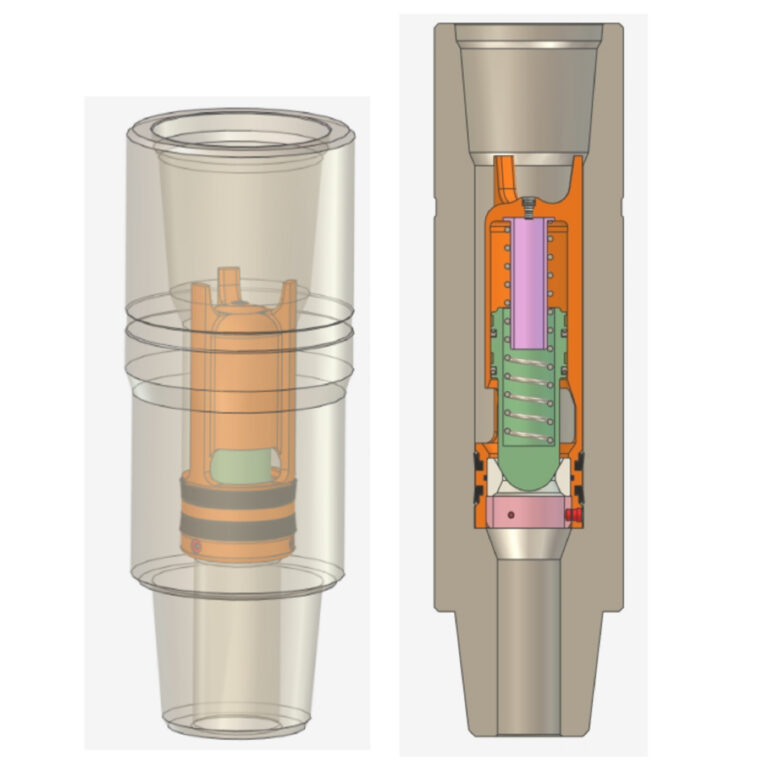
- Optimized Hydraulic Flow Paths: Features generous internal water eye diameters and streamlined fluid courses to ensure unrestricted mud delivery across the bottom-hole assembly.
2. Key Operational Advantages
- Extreme Thermal Stability: Maintains complete structural integrity and hardness at downhole temperatures exceeding 200°C, where standard rubber and polymer joints fail.
- Severe Abrasion and Casing Protection: Effectively prevents direct metal-to-metal contact between drill pipe tool joints and intermediate casing, eliminating casing grooving and wall thinning in high-sand environments.
- Improved Weight-on-Bit Transmission: Decreases frictional contact forces and drag when running in the drill string, facilitating smoother WOB and torque transfer to enhance overall drilling efficiency.
3. Downhole Durability and Materials
Forged from premium high-tensile alloy steels and reinforced with multi-layer tungsten-carbide surfacing, these joints are engineered to withstand intense shock loading, high-speed rotation, and aggressive corrosive fluids.
4. Conclusion
High-temperature and abrasive drilling environments demand uncompromised downhole hardware. By replacing temperature-limited elastomers with the tungsten-carbide armored Alloy Rotary Casing Wear-Resistant Joint, operators secure absolute casing protection and reliable torque reduction in extreme HPHT wells.