


Plate-Type and Arrow-Type Float Valves: Blind vs. orifice sealing dynamics performance comparison for annular pressure monitoring
Selecting the correct drill string float valve configuration involves more than basic backflow prevention; it directly impacts downhole pressure monitoring, surge control, and fluid management during tripping. When evaluating Plate-Type and Arrow-Type Float Valves: Blind vs. orifice sealing dynamics performance comparison for annular pressure monitoring, drilling engineers must weigh the absolute positive sealing of blind plate designs against the controlled U-tubing dynamics of orifice-equipped arrow valves. Understanding the distinct hydrodynamic behavior of each type enables operators to optimize well control safety and pressure feedback accuracy across varying wellbore conditions.
1. Engineering Architecture: Blind Plate vs. Orifice Sealing Dynamics
The fundamental performance divergence between plate-type and arrow-type float valves lies in their internal sealing member geometry and fluid communication capabilities.
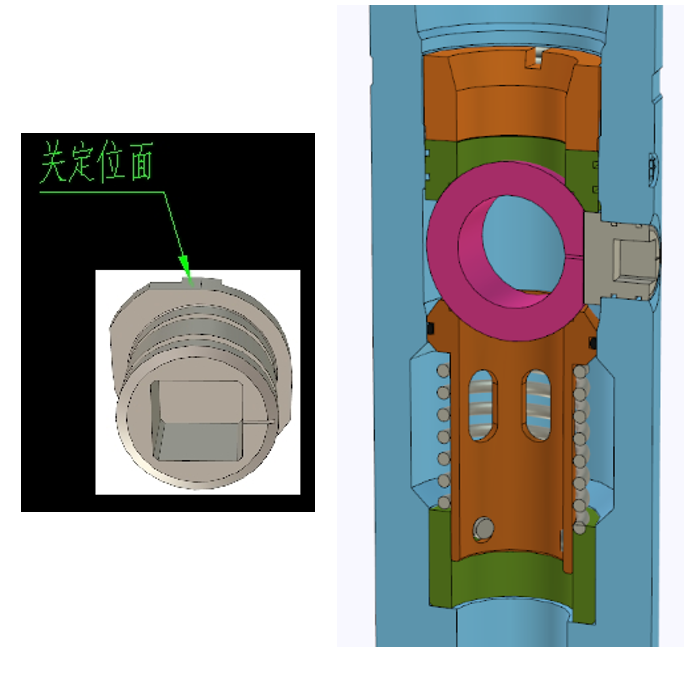
- Plate-Type (Blind) Valve Architecture: Utilizes a heavy-duty, spring-loaded hinged plate or flapper that forms a complete, solid barrier against backflow, achieving absolute zero reverse communication once closed.
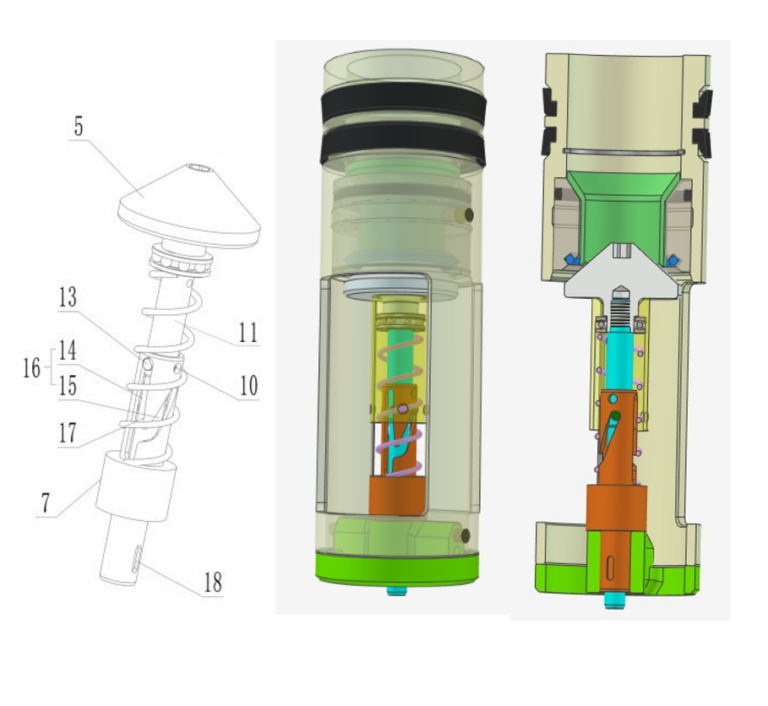
- Arrow-Type (Orifice) Valve Architecture: Features a streamlined, mushroom-shaped or arrow-headed valve core engineered with a calibrated central orifice or controlled bleed path, allowing minor, regulated fluid communication between the annulus and the drill string.
- Sealing Response Under Pressure: Plate valves rely on immediate mechanical seating and pressure energization for tight shut-off, whereas arrow valves permit controlled pressure equalization to manage surge and swab pressures during tripping.
2. Key Operational Performance Comparison
- Annular Pressure Monitoring and U-Tubing Control: Arrow-type orifice valves allow managed fluid bleed, helping surface crews monitor U-tubing and downhole pressure differentials more effectively during pipe movement.
- Absolute Well Control Integrity: Plate-type blind valves provide superior, bubble-tight isolation against high-pressure formation kicks, making them the preferred barrier for aggressive well control environments.
- Flow Resistance and Erosion Wear: Streamlined arrow valves offer smoother fluid passage during active circulation, while plate valves experience higher mechanical turbulence but deliver uncompromised reverse sealing reliability.
3. Downhole Durability and Materials
Both valve styles are forged from premium high-tensile alloy steels and equipped with hardened sealing faces or elastomer inserts, ensuring robust endurance against high-velocity abrasive drilling muds.
4. Conclusion
Choosing between plate-type and arrow-type float valves depends heavily on your specific well control and pressure monitoring strategy. By understanding blind versus orifice sealing dynamics, operators can deploy the optimal float valve configuration for maximum safety and operational efficiency.