


Self-Priming Float Valve: Hydrodynamic auto-fill bypass and helical slot reverse self-locking switching for zero-intervention tripping vs. manual rig-floor fill-ups
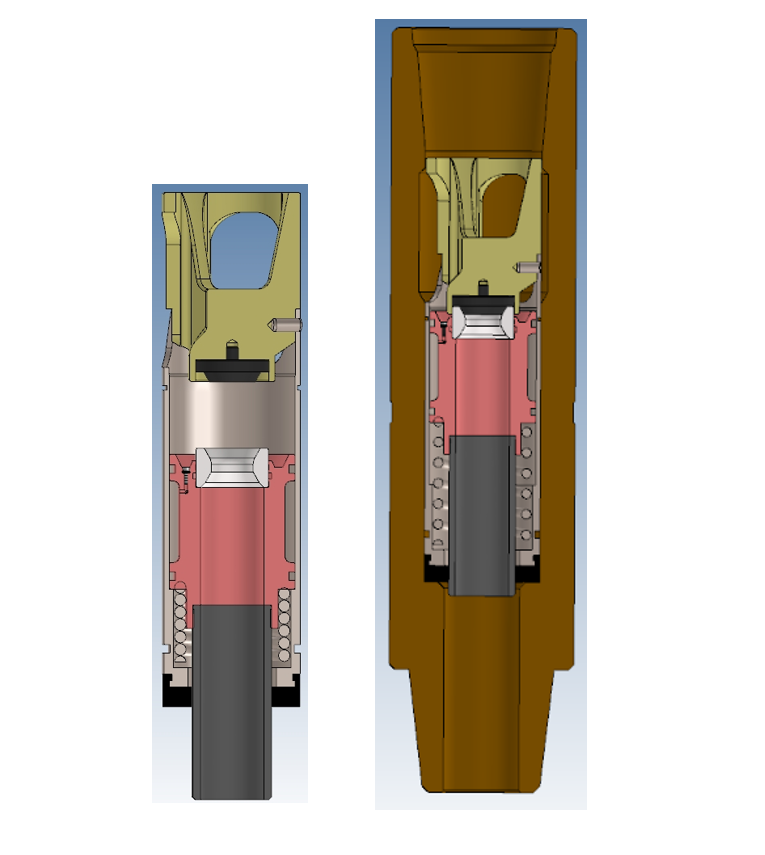
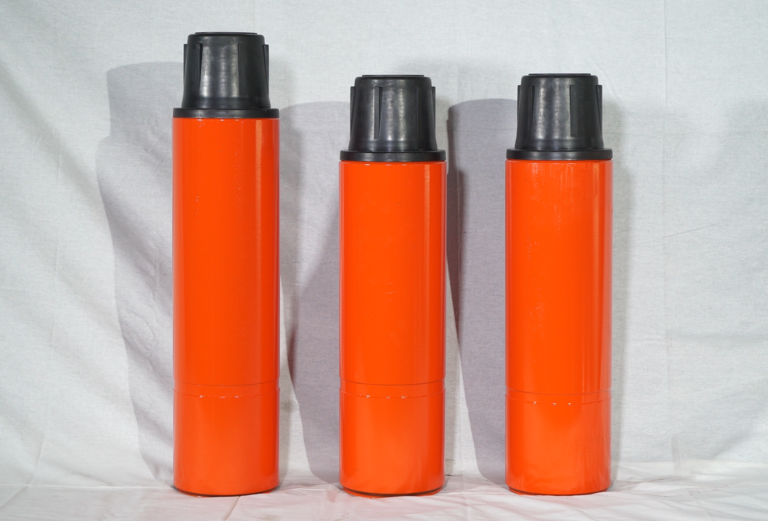
Running drill pipe into a wellbore traditionally requires tedious, manual rig-floor fill-ups using fill-up hoses or valves to prevent casing collapse and maintain wellbore hydrostatic balance, consuming massive amounts of non-productive time and exposing roughnecks to safety hazards. When evaluating Self-Priming Float Valve: Hydrodynamic auto-fill bypass and helical slot reverse self-locking switching for zero-intervention tripping vs. manual rig-floor fill-ups, the operational leap to automated, zero-intervention tripping is monumental. Unlike standard check valves that remain tightly closed and force manual pipe filling from the surface, the advanced Self-Priming Float Valve utilizes a hydrodynamic auto-fill bypass combined with a precision helical slot reverse self-locking switching mechanism, allowing the drill string to fill automatically from the annulus during run-in-hole operations and locking instantly into standard check-valve mode upon pump startup.
1. Engineering Architecture of Zero-Intervention Auto-Fill
Unlike conventional float valves that require continuous surface intervention or manual filling, this self-priming valve integrates intelligent fluid mechanics.
- Hydrodynamic Auto-Fill Bypass: Features an engineered internal bypass channel that allows drilling fluid to flow freely from the annulus into the drill string as pipe is tripped into the hole, keeping the string constantly filled.
- Helical Slot Reverse Self-Locking Switching: Utilizes a precision-machined helical slot and shifting sleeve mechanism that senses fluid flow direction, automatically switching and locking the valve into closed check-mode the moment mud pumps are engaged.
- Positive Mechanical Lock-Down: Once activated by circulation, the internal valve mechanism remains securely locked in standard backflow-prevention mode for the duration of the drilling or circulating phase.
2. Key Operational Advantages
- Drastic Reduction in Tripping Time: Eliminates the need for manual rig-floor fill-up hoses during running operations, saving critical hours of non-productive time (NPT) on every trip.
- Enhanced Rig-Floor Safety: Keeps the rig floor clean and dry while removing personnel from dangerous open-pipe handling tasks during pipe additions.
- Guaranteed Wellbore Hydrostatic Balance: Ensures the drill string fills automatically as it runs in, eliminating U-tubing risks and protecting formation integrity against pressure surges.
3. Downhole Durability and Materials
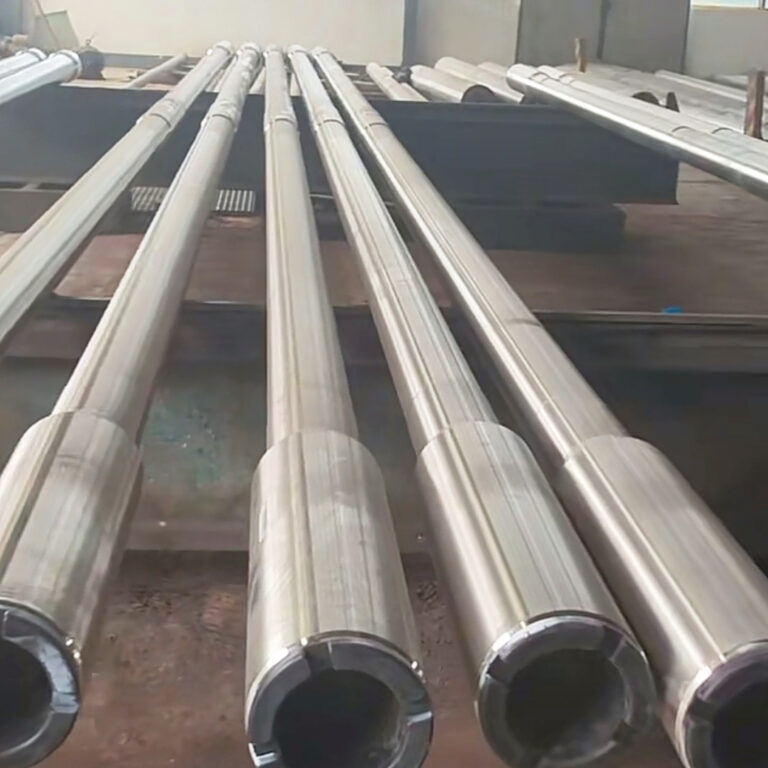
Machined from high-strength forged alloy steels with wear-resistant internal coatings, the self-priming valve is built to withstand extreme downhole hydraulic pressures, abrasive mud scouring, and high cyclic activation loads.
4. Conclusion
Optimizing tripping efficiency while maintaining strict well control requires advanced automation. By replacing manual rig-floor fill-ups with the Self-Priming Float Valve’s hydrodynamic auto-fill and helical slot self-locking technology, operators achieve zero-intervention tripping, superior safety, and maximum rig efficiency.