


While-Drilling Safety Bypass Valve: Emergency Well Control and Stuck Pipe Relief via Instant Annular Circulation
When a drill string experiences sudden differential sticking in a permeable zone or an unexpected wellbore influx occurs during drilling, restoring fluid circulation immediately can make the difference between freeing the string and losing the hole. In many stuck-pipe or well-control scenarios, bit nozzles are partially or completely plugged, or downhole motors and MWD tools restrict flow rates to the point where effective annular conditioning or heavy-mud displacement becomes impossible. Deploying a While-Drilling Safety Bypass Valve in the bottom-hole assembly (BHA) gives drilling crews a dependable way to open annular circulation ports on command, enabling rapid stuck-pipe mitigation and emergency well-control support without pulling out of the hole.
1. Field Emergencies Where Annular Circulation Is Critical
In high-risk directional and deep drilling intervals, two emergencies repeatedly test rig-floor response speed and downhole hardware reliability:
- Differential Sticking Across Permeable Sands: When a stationary or slow-moving BHA becomes embedded in a filter cake against an overbalanced formation, establishing high-rate circulation above the stuck point helps equalize pressure differentials, spot releasing fluids (such as diesel, ester, or surfactant pills), and work the pipe free.
- Wellbore Influx and Kick Response: When formation gas or fluid enters the wellbore and standard bit-nozzle circulation is restricted or unsafe, controlled annular circulation through a dedicated bypass port supports mud conditioning, cuttings removal, and well-control circulation procedures.
- Blocked Bit Nozzles or Downhole Restrictions: When cuttings or lost-circulation debris choke the bit or lower BHA, an open bypass path restores standpipe pumpability so crews do not sit idle with a dead fluid column.
2. Operational Action Plan During a Downhole Emergency
Having a while-drilling safety bypass valve in the string only pays off when crews execute a clear, disciplined sequence:
- Step 1 — Assess String Status and Lock In Safety Limits: Confirm hookload, torque, and wellhead pressure parameters immediately when sticking or influx indicators appear, keeping surface well-control equipment lined up.
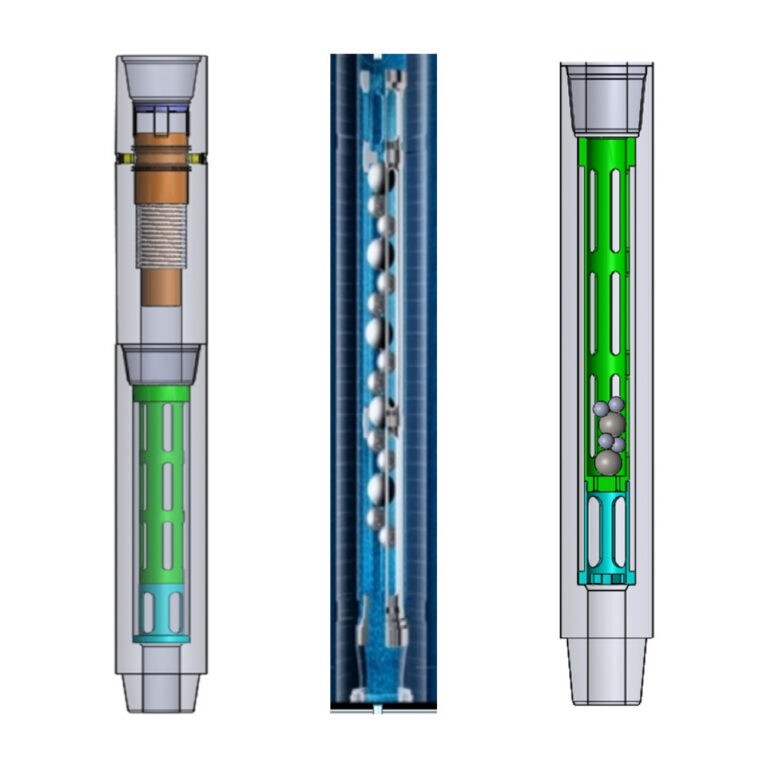
- Step 2 — Actuate the Bypass Ports: Trigger the valve’s opening mechanism according to tool specifications to establish a direct flow path between the drill string bore and the wellbore annulus above the restricted or stuck lower assembly.
- Step 3 — Spot Pills or Circulate Heavy Mud: Pump stuck-pipe release pills across the stuck interval or circulate conditioned mud to stabilize wellbore pressure while working pipe safely within tension and torque limits.
- Step 4 — Close and Resume or Prepare Next Action: Once circulation is restored and the emergency is stabilized, close the bypass path if required by tool design and proceed with planned drilling, conditioning, or contingency operations.
3. Selecting and Maintaining a Reliable Safety Bypass Sub
Procurement managers and drilling engineers evaluating a while-drilling safety bypass valve for high-consequence wells should prioritize rugged mechanical design and rig-floor readiness:
- Pressure and Flow Rating Alignment: Match the valve’s internal pressure containment, burst/collapse margins, and bypass port flow capacity to expected mud weights, pump rates, and maximum anticipated shut-in pressures.
- Erosion and Debris Resistance: Look for hardened alloy steel bodies and wear-resistant port liners capable of handling high-velocity abrasive fluid streams and spotting pills without washing out.
- Pre-Run Inspection and Tally Discipline: Inspect sealing elements, actuation mechanisms, and thread connections prior to makeup, and record exact BHA position and actuation procedures in the drilling program.
4. Conclusion
Sudden differential sticking or wellbore pressure anomalies leave very little margin for delay. By integrating a While-Drilling Safety Bypass Valve into the drill string, operators gain fast, controllable annular circulation to spot release pills, maintain fluid mobility, and protect both wellbore integrity and rig schedule.